Archive

Uncategorized

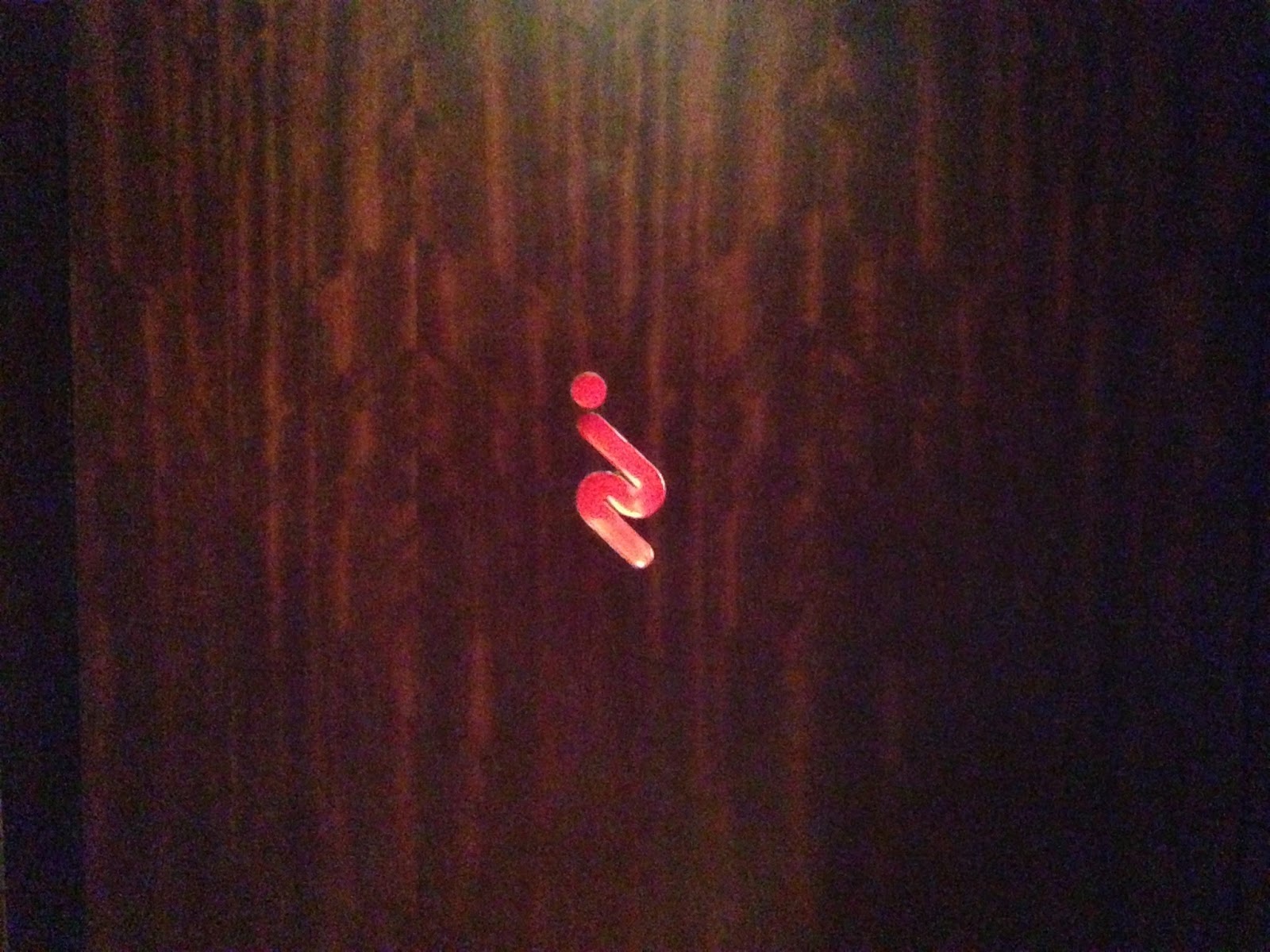
I can’t help but think that these toilet signs must confuse the customers of Busaba Eathai, not aid them.

I ran into 2 people down there trying to figure out which one was which…

The quote about good design being invisible comes to mind here.

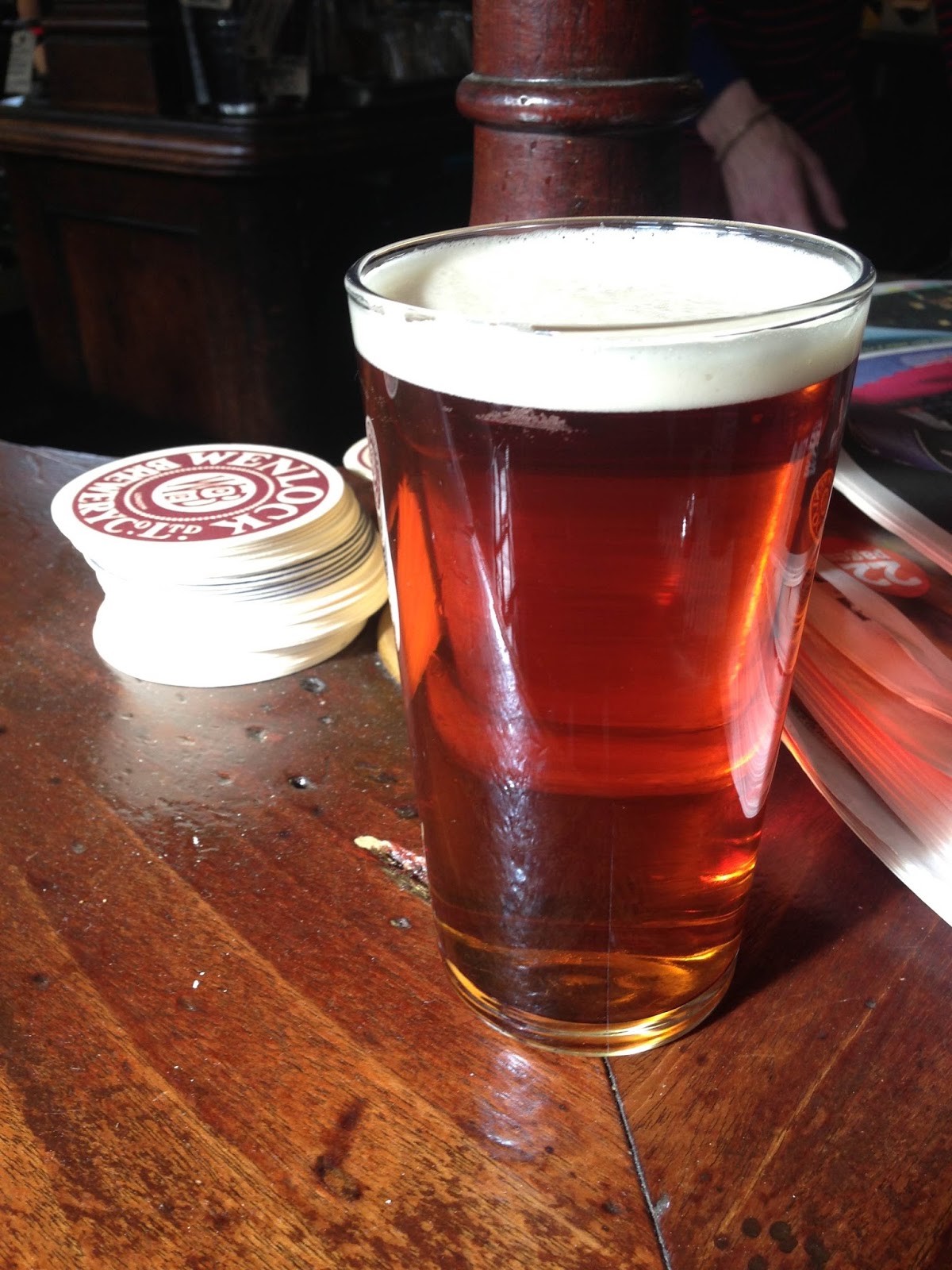
Location: The Wenlock Arms, N1
Date: 26.06.13

Name: Hadouken
Brewery: Tiny Rebel Brewing Co
ABV: 7.4%

Taste: 4,5 / 5
Mouthfeel: 4.5 / 5
Finish: 3 / 5
Branding: 4.5 / 5


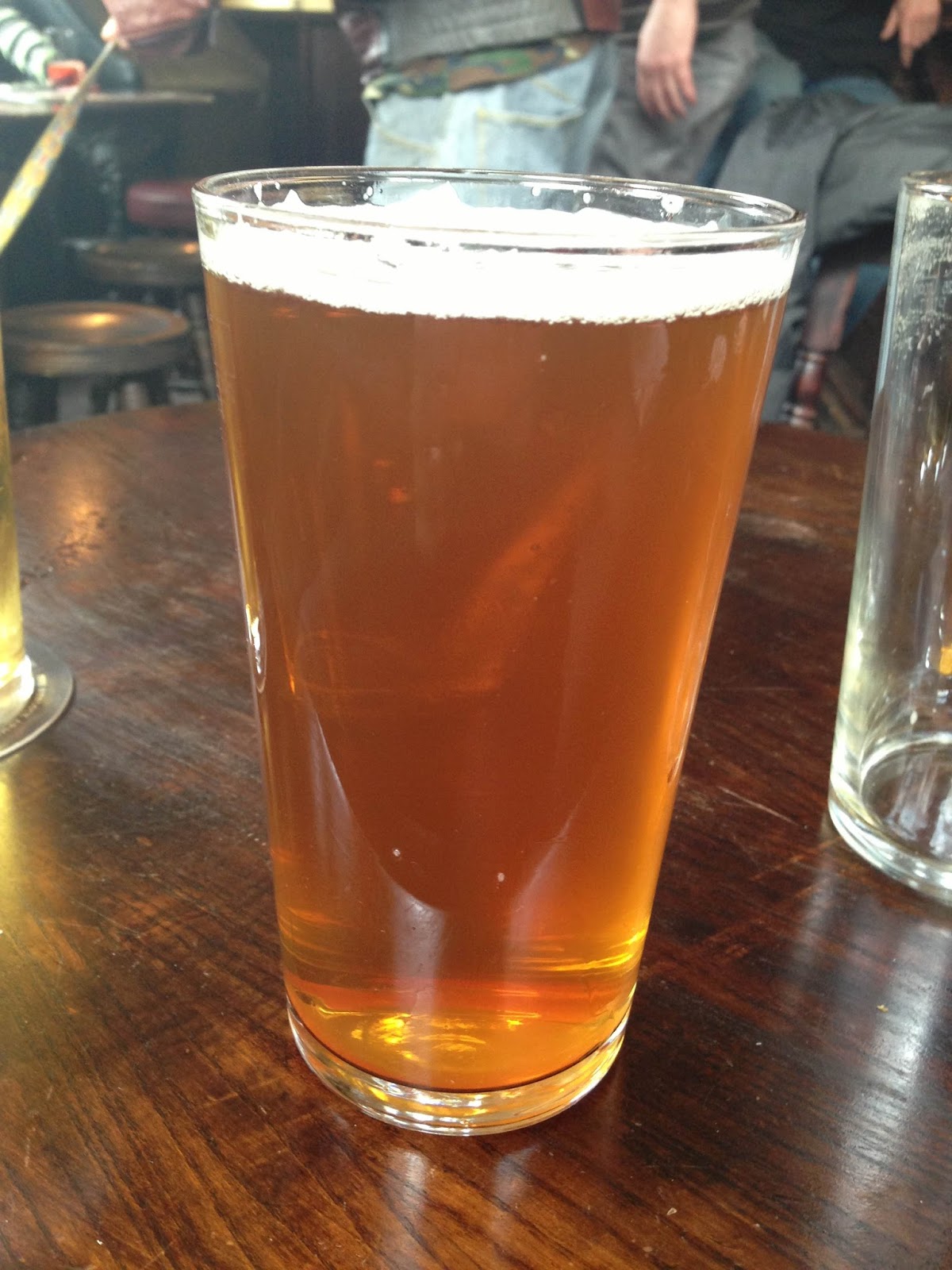
Name: Oscar Wilde
Brewery: Mighty Oak Brewery Company
ABV: 3.7%

Taste: 4 / 5
Mouthfeel: 3.5 / 5
Finish: 3.5 / 5
Branding: 2.5 / 5


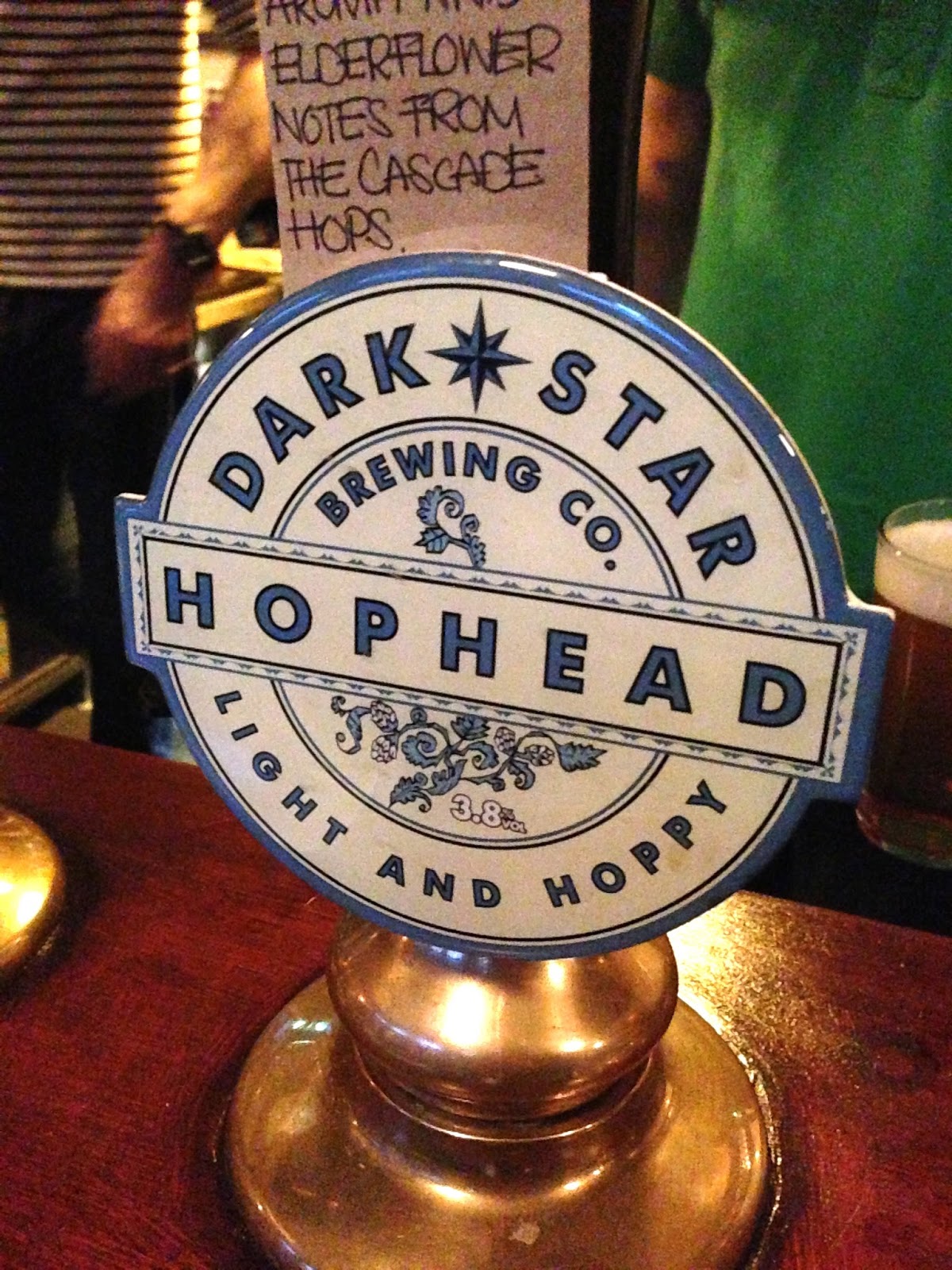
Name: Hophead
Brewery: Dark Star Brewing Co
ABV: 3.8%

Taste: 4 / 5
Mouthfeel: 4 / 5
Finish: 3 / 5
Branding: 3.5 / 5

(Forgot to get a glass snap for Hophead – just a tap snap I’m afraid.)


I loved this museum – it’s brilliant.

The grounds are gorgeous – old almhouses tucked away in the middle of Hoxton.

The museum basically shows living rooms through the ages.

But each item has a back-story, making the whole visit much more engaging than simply looking at some chairs.

That said, first up… some chairs. Through the ages.

There’s some really beautiful room decoration here.

If ever I was going to work on a B&Q or Homebase brief – I think this would be the place to work from.

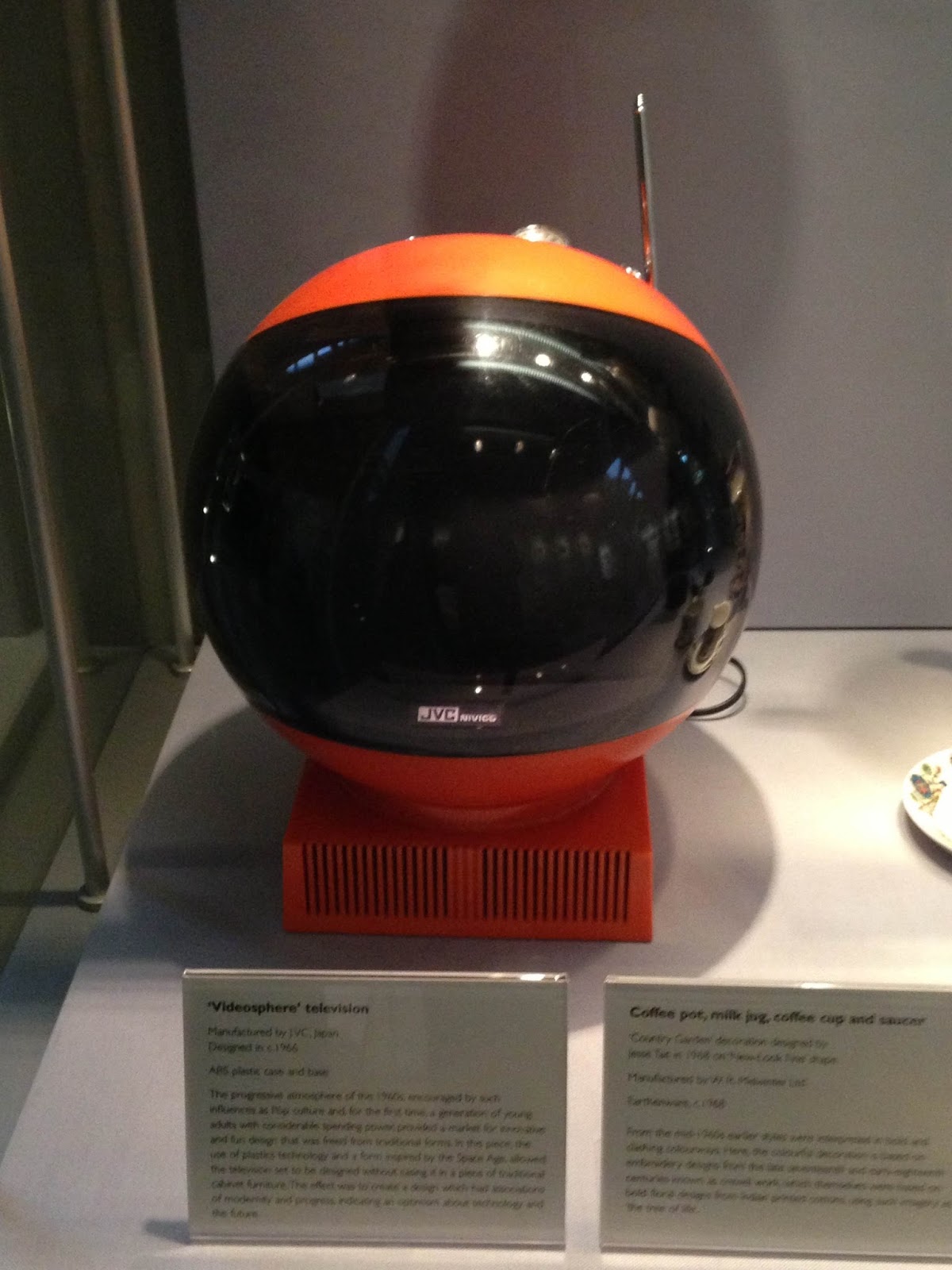
The funniest thing for me was seeing this TV from the 1960s.

How fantastic.

FIVE FACTS
Despite clearly being a museum that covers home life between 1600 and present day – most of my facts this time are from the late 18th century. I must have been paying more attention in that room. I can only apologise.

#1. In the late eighteenth-century, custard was a very popular food. Custard was served in little china cups (see below). The most interesting bit for me was, despite being sweet, custards would be eaten for dinner as part of the second course – alongside roasted and boiled meats.

#2. Also during the late eighteenth-century… researchers have found letters and journals of people at that time referring to rooms and furnishings that they liked as ‘neat.’, which didn’t just mean clean and tidy – but also ‘bright and stylish.’ It’s amazing how words come back around.

#3. Dried rushes were often dipped in melted fat during the 17th and 18th centuries, to provide a rudimentary light. The rush was held horizontally by the pincers of a rush holder (or rush nip.) Interestingly, the rushes would only burn for about 20 minutes. You’d have to be working pretty quickly at night on that kind of deadline.

#4. In the eighteenth-century, politeness meant a lot more than it does today. In fact, it was an approach to life that covered all aspects of social behaviour. It’s basic principles were that people be easy and open, making themselves agreeable to others and avoiding extremes of opinion or temper.

#5. A coffee house in London called ‘The Sultan’s Head’ became the first to advertise the sale in tea in 1658 – a new herb imported from china. As tea fever took hold in Britain, many household servants acquired a taste for tea, often having their wages calculated to include an allowance of tea leaves.

1. Cartoon Museum 

2. Churchill War Rooms 
3. Cinema Museum 
4. Dennis Sever’s House 
5. Dr Johnson’s house 
6. Design Museum 
7. Down House 
8. The Geffrye Museum 
9. London Film Museum 
10. London Transport Museum 
11. Mansion House 
12. Brunel Museum 
13. Museum of the Order of St John 
14. Musical Museum 
15. Old Operating Theatre Museum & Herb Garret
16. Pollock’s Toy Museum 
17. Rose Theatre exhibition 
18. Fashion and Textile Museum 
19. Royal College of Music Archives and Museum of Instruments 
20. Sherlock Holmes Museum 
21. Twinings Museum 
22. V&A Museum of Childhood 
23. Bank of England museum 
24. The Stephens Museum 

Austra – 05 Home

The beginning of this track sounds a bit like an Adele pop song, but the mood shifts when the electronic drum track flicks on around 40 seconds in. There are pad synths, chorus effects and electronic bass – all swirling together to create an emotive and heavily layered song with plenty of chart appeal. There’s even some flute around 2.50 in – nice.

Cairo Pythian – A1.Unity_Mitford

The drum track on this sounds Streets-esque, but the vocals ensure this track is a world apart from Mike Skinner’s gang. I have to admit, I struggle a bit when a keyboard track follows a vocalists melody – it all sounds a bit too Mighty Boosh for me. This track kicks that habit (and perhaps the haircut) during the chorus, where each instrument begins to compliment rather than mirror. Unfortunately, I don’t think it’s enough to win me back round.

H.Hawkline – Ghouls

Indie crunch guitar, with a distinctive vocal sound and a busy rhythm section. It’s suitably loose, with a sort of 60s New York vibe. There’s an interesting steel drum type sound that appears in the background around 1.40 in – which I really like – it’s subtle enough not to steal the limelight, but interesting enough to offer something new. Nice. The track’s longer than you generally see nowadays at 4.54, but it doesn’t seem to drag at all. It slows down and fades out, in a faintly Beatles fashion – which is nice.Hailu Mergu – Shemonmuanaye

Just not my cup of tea I’m afraid. It’s like two four year olds playing easy learning centre accordions to a drum machine. For nearly 7 minutes. Unacceptable.

Juan Atkins & Moritz Von Oswald – Mars Garden

Wow that’s deep bass. It really kicks – my headphones are struggling with it. Some interesting, game station fx in the first few minutes – with some decent drum loops. The track feels like it’s building to something, but I don’t think the something ever really comes. It would be good to hear this as part of the album it’s made for – it feels like it is setting the stage for something else. Nevertheless, I do like it.

The Orwells – 02 Other Voices (Dave Sitek Version)

Really great. 1960s sounding – it’s a Beatle reincarnate. The track has been produced loose – but the band feel tight. The guitar tracks are a little Wombats – punchy and poppy. The track feels like it was almost therapeutic for the band, and in 3 short minutes it’s all over. Top track to finish off the set.

David Yow – Thee Itch

The first 20 seconds sound like the start of a Tomb Raider soundtrack, but with the drum track from the House of Cards themetune. It’s gregorian chant-like, and all round quite interesting, with some rocky-horror discordant organ peppered throughout. Not a pop song, more film score – but fun nonetheless.

Deap Vally – Woman of Intention

I’ve heard a bit from Deap Vally already, but this one was a new one. Beautiful grungey guitar and a skillful rhythm section. The vocals are female rock songstress – with all the right warbles and squeaks. There’s a nice effected guitar around 1.41, that sounds a bit like it’s clipping through a compressor. Towards the end (around 2.40) the drum track shifts closer to a disco beat – driving the track forward nicely.

Kirin J Callinan – Love Delay

A tasty bit of crunchy guitar stabs with Morrissey-esque croon start this track off. There’s some strings somewhere up top in the mix, that crescendo with some dark and swirling guitar around 2 minutes – building building building and stop. In comes the band, fast paced drums and guitar fx that sound like the wind. Very nice.

Lloyd Cole – 03_Period Piece

Charming sort of Counting Crows band on this one, but with a vocal sound all Bob Dylan. The guitar parts lock together pretty perfectly, and the track sounds like a summer on the road. And that’s kind of its problem I think – it feels very familiar. It’s nice, but familiar territory.

Sarah Johns Music Party – Greenbud Really great start on this track. The percussion track sounds a little like some of the instrument experimentation Willy Mason was doing a year or two. The vocals are extremely pretty – like it was recorded in a fairy garden. It’s fresh and interesting – with elements of blues and folk mixed with electronic percussion. Really like this.

Coast to Coast – Waxahatchee

Another rock pop song this week. Very listenable – the vocal harmonies are graceful and the band is tight and noisy. It sounds like The Cranberries to me – which isn’t a bad place to be. If I had one gripe, it would be that it’s all over far too soon – finishing at 1.25 in and holding on the guitar until it crumbles to feedback.

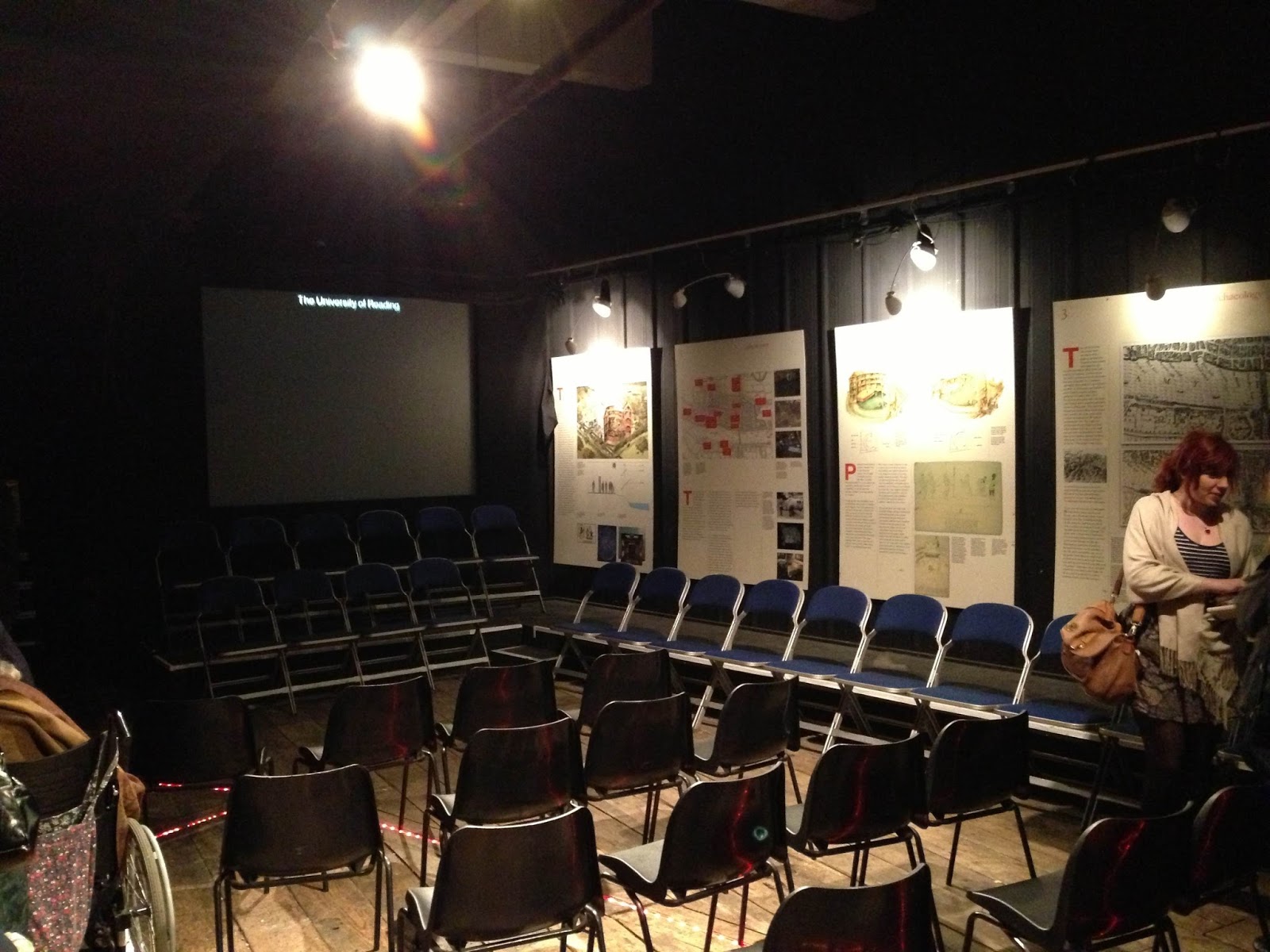
An odd one this – I didn’t know just how small it was until I got there.

The theatre was preserved under boggy water for hundreds of years, until building work on Bankside uncovered the theatre.
I’m sure it was an amazing find, but the exhibition is pretty pointless.

When the theatre was discovered, archeologists worked to excavate the theatre – but due to timing and budgetary constraints (along with the fact the surrounding ground began to crack as it was slowly exposed to air), the theatre was covered over once more with water.

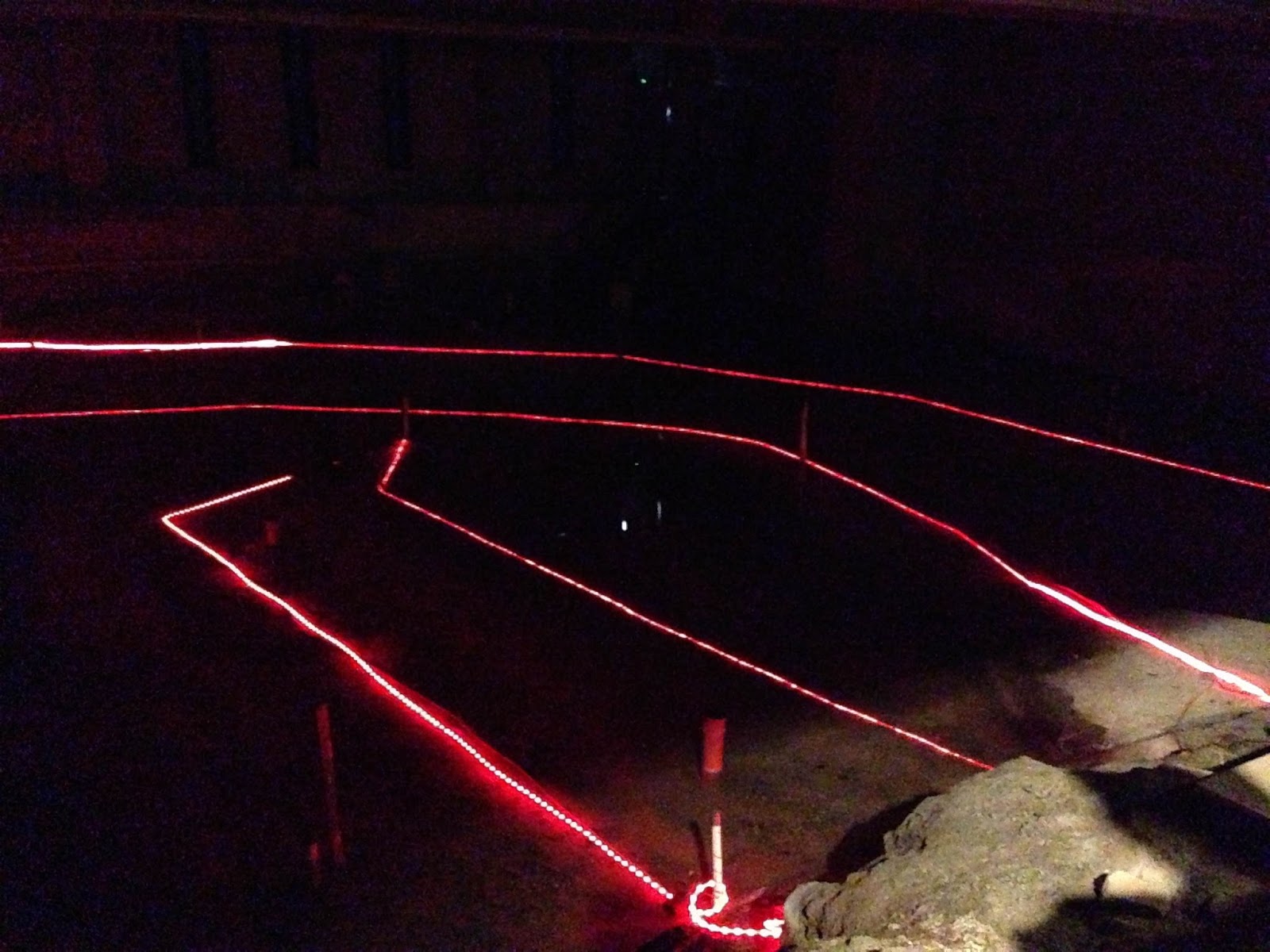
And that’s how it stands today. With the theatre’s perimeter highlighted by red strip lighting.

In fact, the whole exhibition is a temporary one – whilst they try and find the funds to restore the theatre properly.
And don’t you know it – the entire film you’re shown is a desperate plea for money – showing famous actors begging for money to camera, in an attempt to save England’s Rose (surely they could just club together and fund the excavation outright…?!)

Here’s some of the known Elizabethan theatres of the day:

FIVE FACTS (bit of a struggle with this one!)

#1. The Rose Theatre layout actually provided the inspiration for the main blueprints of the new Globe Theatre. So far so good, except the Globe and the Rose were huge rivals – competing every step of the way in Bankside’s theatre game.

#2. The discovery of the Rose was around my birthday, in the summer of 1989. Actors, scholars and the general public rallied to protect the site from demolition – with an atmosphere a bit like a street carnival. The rally even included the last public performance by Laurence Olivier.

#3. Elizabethan actor Edward Alleyn ran the theatre between 1592 and 1597, retiring a wealthy man and founding the College of God’s Gift (now Dulwich College.)

#4. The Rose’s success encouraged other theatres to be built on the Bankside, including the Swan in 1595 and the Globe in 1599.

#5. Despite being a very small space, Elizabethan audiences expected to be crowded – and it’s estimated that nearly 2500 people were squashed in for a single performance, with 700 of those each paying to squeeze into the yard for an admission rate of one penny.

1. Cartoon Museum 

2. Churchill War Rooms 
3. Cinema Museum 
4. Dennis Sever’s House 
5. Dr Johnson’s house 
6. Design Museum 
7. Down House 
8. The Geffrye Museum 
9. London Film Museum 
10. London Transport Museum 
11. Mansion House 
12. Brunel Museum 
13. Museum of the Order of St John 
14. Musical Museum 
15. Old Operating Theatre Museum & Herb Garret
16. Pollock’s Toy Museum 
17. Rose Theatre exhibition 
18. Fashion and Textile Museum 
19. Royal College of Music Archives and Museum of Instruments 
20. Sherlock Holmes Museum 
21. Twinings Museum 
22. V&A Museum of Childhood 
23. Bank of England museum 
24. The Stephens Museum 

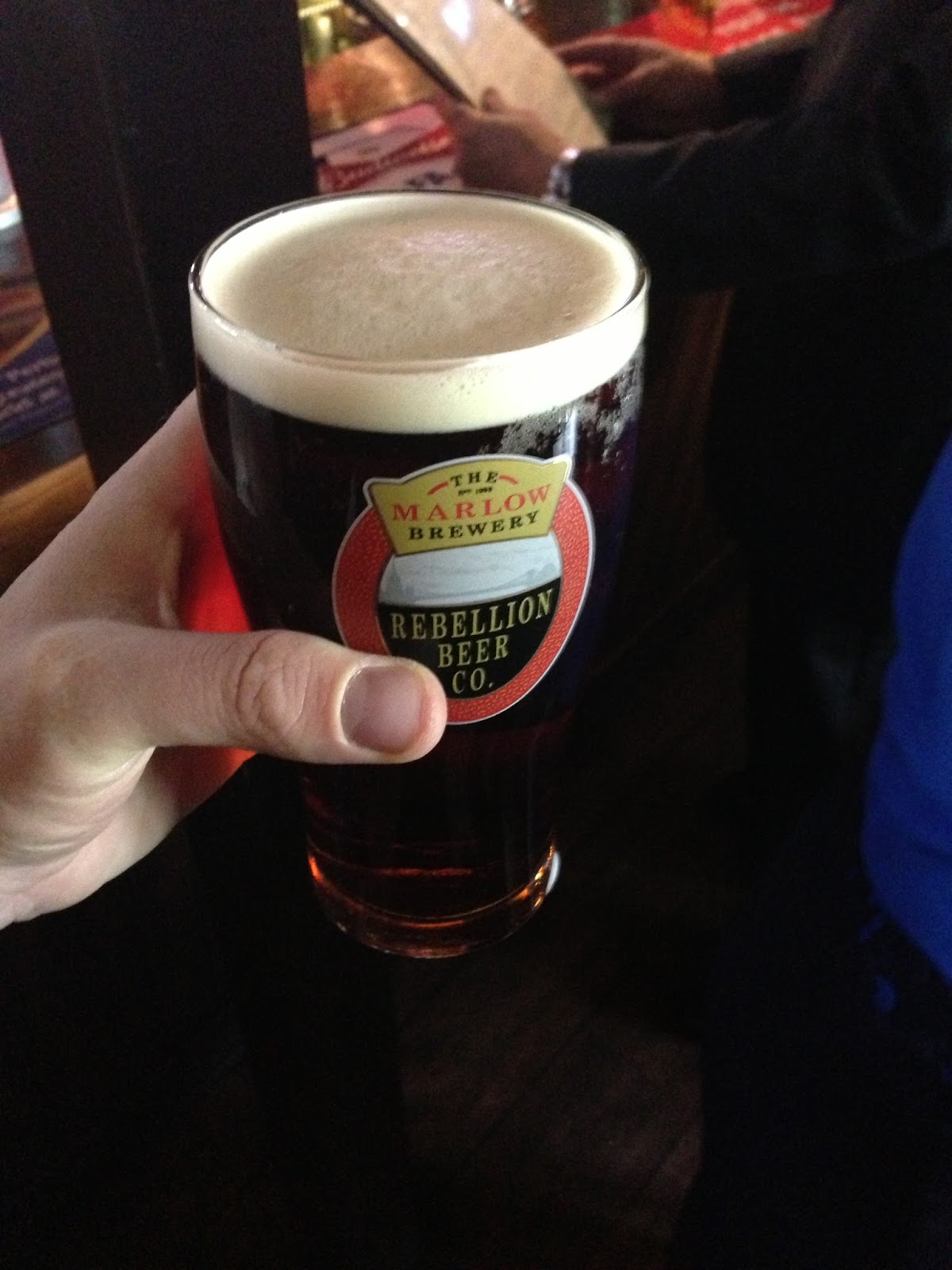
Location: The Wenlock Arms, N1
Date: 23.06.13


Name: Kohinoor
Brewery: Windsor & Eton
ABV: 4.5%

Taste: 4 / 5
Mouthfeel: 3 / 5
Finish: 4 / 5
Branding: 1.5 / 5

Name: American Pale Ale
Brewery: Long Man Brewery
ABV: 4.8%

Taste: 4 / 5
Mouthfeel: 3 / 5
Finish: 3 / 5
Branding: 0.5 / 5

First off the starting blocks is The Old Operating Theatre and Herb Garret.

It’s a ridiculously cool place – you have to climb a rickety winding staircase to get to it.

Really interestingly, the site had been untouched for nearly 100 years, until it was discovered in 1962 by a curious fellow who asked the question ‘where does that door up there actually go?!’
After getting a ladder and having a look, he found the Old Operating Theatre and Herb Garret – untouched and unconverted.

The staircase was partially rebuilt to allow access, with the first stop being the herb garret – a place that was used to dry out herbs for use in medicine.
Garret’s just another word for attic, but it sounds so much cooler – like a funk singer’s first name… ‘Herb Garret Harris’ perhaps.

The entire place is full of wonderful curiosities.

On a wall, they’d presented the ‘Resolutions passed for the good of the house’ – which I love. I think you could have ‘Resolutions passed for the good of the house’ for an agency. To be honest, I’m sure some of these wouldn’t even need to be adapted.
In the next room stands the Old Operating Theatre – an amazing space that would have housed surgeons, dressers and students as some poor old sod gets a limb amputated without any anesthetic.
I loved reading one quote (below) about just how enthused the students sounded – they really did want to learn. Maybe this was because it was such uncharted territory – surgery education was incredibly exciting because it was venturing into the unknown.
“Behind a second partition stood the pupils, packed like herrings in a barrel but not so quiet… The confusion and crushing was indeed at all times very great, especially when any operatoin of importance was to be performed, and I have often known even the floor so crowded that the surgeon could not operate until it had been partially cleared.” St Thomas surgeon John Flint South 1884.
The museum offered up some incredible facts – my favourites being:
FIVE FACTS
#1. Most good surgeons (like Robert Liston and John Hunter) could remove a limb in around 30 seconds. The best surgeon in Europe could remove an arm in 17 seconds.
#2. Pasteur didn’t discover germs – he discovered a causal link between germs and disease. Robert Hooke (England’s Leonardo & all round polymath) was instead one of the first to discover germs – along with developing initial microscopes, telescopes, designing grid city systems and creating many of the buildings in London today.
#3. Wounds were generally sealed through one of two methods – ligatures (tying each individual artery shut with silk or cat gut) or cauterisation (dipping the limb in hot oil or even tar, to burn the wound shut.)
#4. Surgery used to be performed by barber surgeons, members of the Company of Barber Surgeons, who would also cut your hair and perform little operations too. When in 1745, master surgeons broke away from the Company of Barber Surgeons to form the Company of Surgeons – they managed to remove the monopoly barber surgeons had on teaching surgery – allowing students to finally work on corpses themselves as part of a group (rather than simply watching and learning.)
#5. John Keats trained as a apprentice Surgeon-apothecary at St Thomas between 1815-1817. He abandoned surgical practice, telling a friend ‘My last operation was completed with the utmost nicety. but reflecting on what passed through my mind at the time, my dexterity seemed a miracle, and I never took up the lancet again.’ Perhaps the most amazing thing though, was that he died at the age of 25 – having already trained as a surgeon-apothecary and writing some rather nice poetry.
1. Cartoon Museum 

2. Churchill War Rooms 
3. Cinema Museum 
4. Dennis Sever’s House 
5. Dr Johnson’s house 
6. Design Museum 
7. Down House 
8. The Geffrye Museum 
9. London Film Museum 
10. London Transport Museum 
11. Mansion House 
12. Brunel Museum 
13. Museum of the Order of St John 
14. Musical Museum 
15. Old Operating Theatre Museum & Herb Garret
16. Pollock’s Toy Museum 
17. Rose Theatre exhibition 
18. Fashion and Textile Museum 
19. Royal College of Music Archives and Museum of Instruments 
20. Sherlock Holmes Museum 
21. Twinings Museum 
22. V&A Museum of Childhood 
23. Bank of England museum 
24. The Stephens Museum