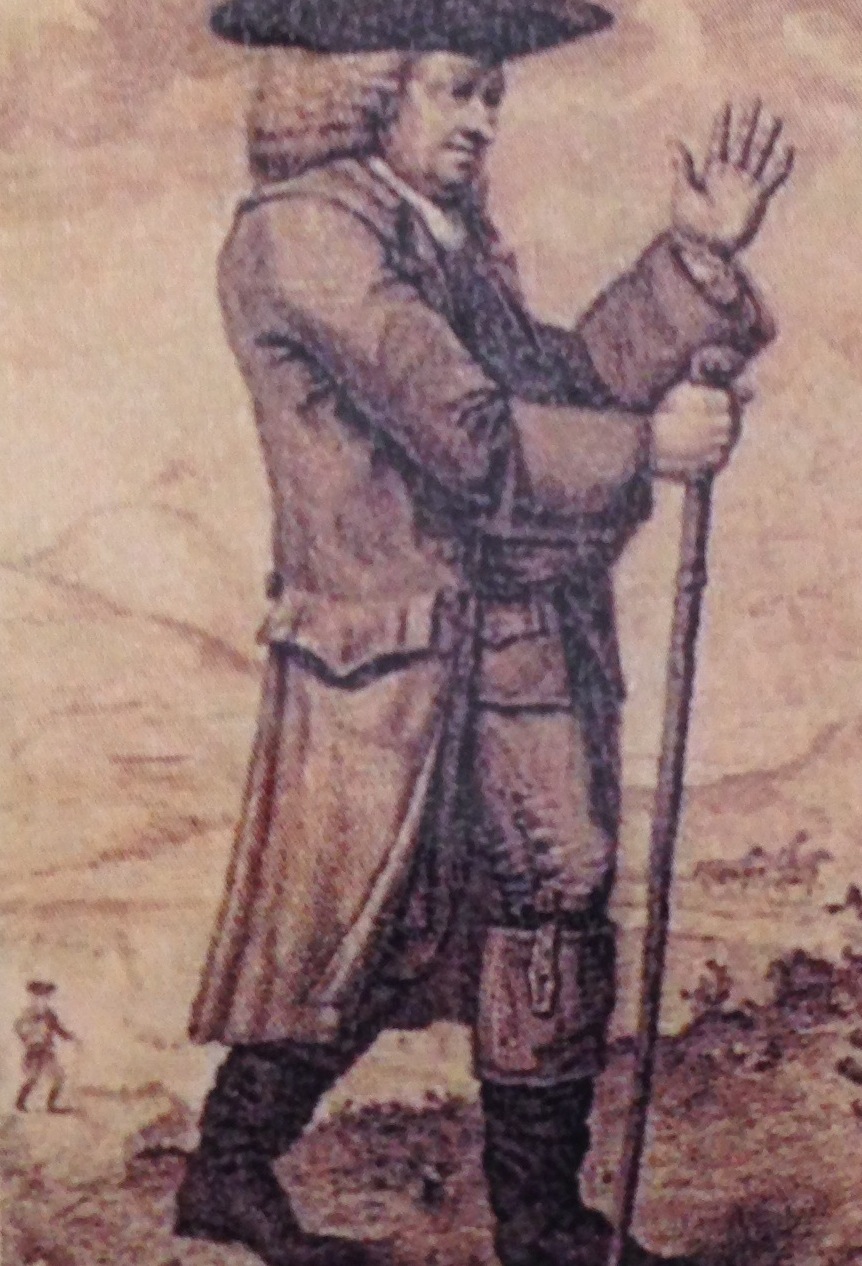
At the National Gallery the other day, I saw a portrait of Jesse Boot, founder of Boots (the chemist).
Rather embarrasingly, I knew literally nothing about one of the great entrepreneurs of the Victorian age until that point.

Jesse was the son of a medical herbalist in Nottingham.
At the age of ten he began working in his father’s shop.

His first significant business venture was in Feb 1877, when he caused a minor sensation in Nottingham by launching an advertising campaign that increased weekly shop takings from £20 to £100.

New shops in surrounding soon followed and by 1914, he had built up a retail chain of 560 branches – combining the sale of medicines with books and ‘fancy goods’.

He sold his controlling stake in the company in 1920 for £2.275m and devoted the rest of his life to philanthropic efforts.

Think he’d be an interesting subject to look into a little more.

I think this might be my favourite so far.

Down House is Charles Darwin’s old gaff.
He moved there to escape London life – choosing the house more on its location than its looks.

Darwin liked it because it was built in an interesting area – the topography was varied and the soil changes from Thames clay to Downe chalk within a five minute walk in either direction of the house.
This meant that different plants and wildlife could be found in all directions – perfect for his experiments.

The exhibits within the house were laid out brilliantly.
I was really interested to read that Darwin hadn’t done too well at school or university.
Taking the job on the Beagle was almost a last resort – not a reward for ability.

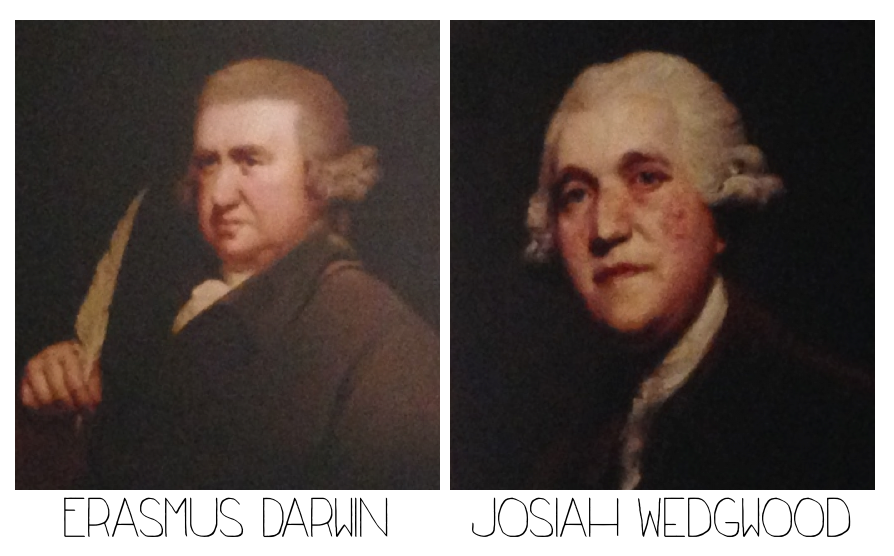
Both his grandparents, Erasmus Darwin and Josiah Wedgwood were important and influential figures in the industrial revolution. He lived a hugely privileged life, thanks to the Wedgewood-Darwin fortune.

One of the things that really interested me was his passion for collecting things.
He amassed huge collections of different things, and he was extremely ordered in the way that he catalogued everything.

Even as a small boy, he collected small pebbles.
In Cambridge, Darwin and his cousin Fox collected beetles fanatically.
They devised ingenious traps, employed labourers to help and spent hours creating beetle arrangements.

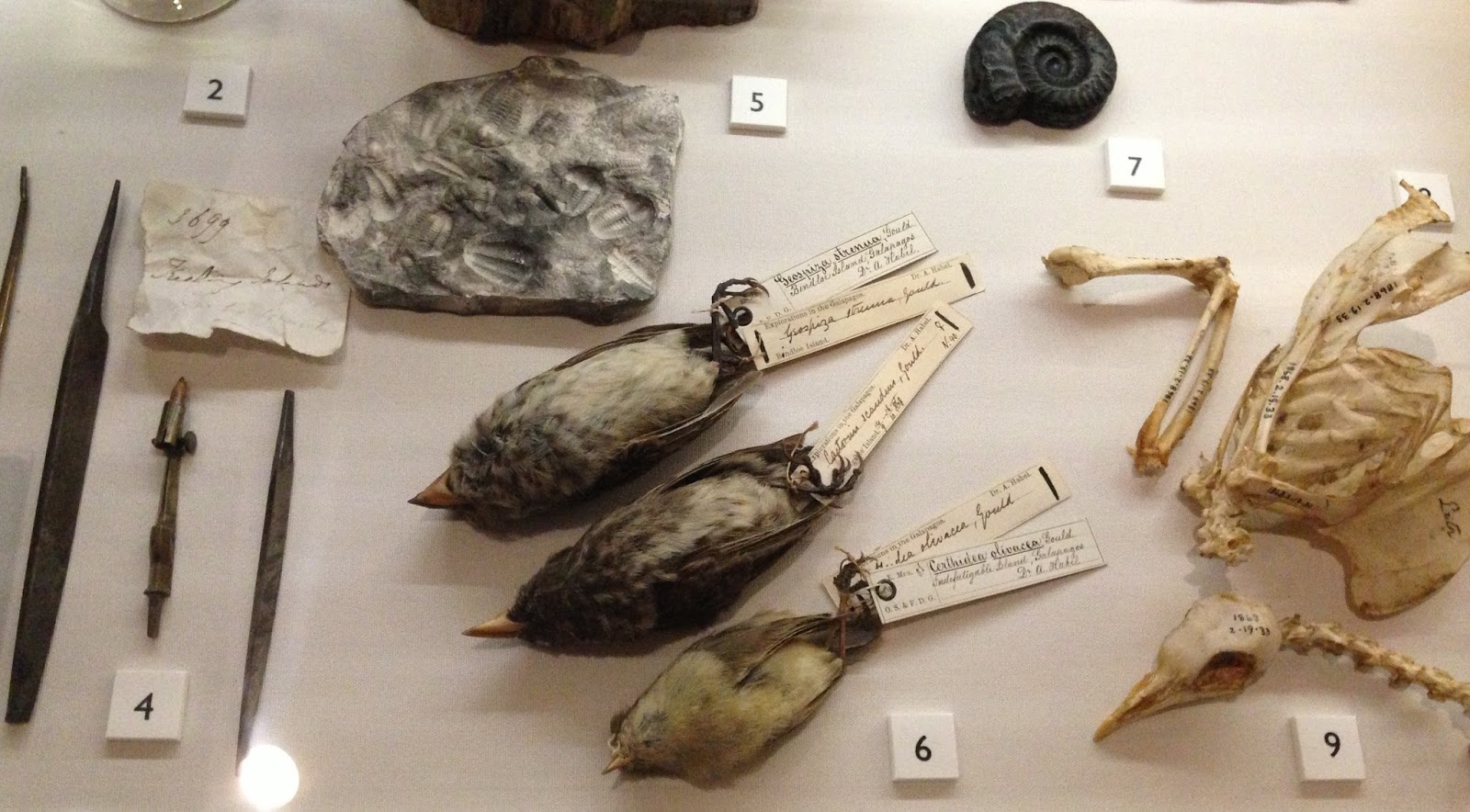
When on the Beagle, he collected and shipped thousands of specimens back to England.
In many cases, he only came to realise their significance after he’d returned home.

In his autobiography, Darwin stated ‘The passion for collecting, which leads a man to be a systematic naturalist, a virtuoso, or a miser was very strong in me.’ 

We decided to go on a garden tour around the grounds.
If you ever go, do this. Couldn’t recommend it more.

We went into Darwin’s lab and saw some of the different plants that we kept for experiments.

We learnt about Darwin’s experiments with bees. For people to accept his theory of evolution by natural selection, Darwin had to explain how the hexagonal cells found in the wax of a beehive were formed by natural processes.

He worked out that the hexagonal shape is made by compressing cylindrical cells together – not magic…

Darwin used to keep fit by doing five laps of the ‘Sandwalk’ – a one mile looped footpath at the bottom of his garden.

He’d complete the circuit five times, kicking over five flint stones as he went round.
His kids used to play a trick on him, putting the flints back up again once he was out of sight – and he’d inevitably end up doing more than five laps.

Thinking whilst walking seems to be a habit of most of the brightest minds in the world.
I think that’s quite interesting.

Darwin seemed to be a fan of notebooks.
A man after my own heart.

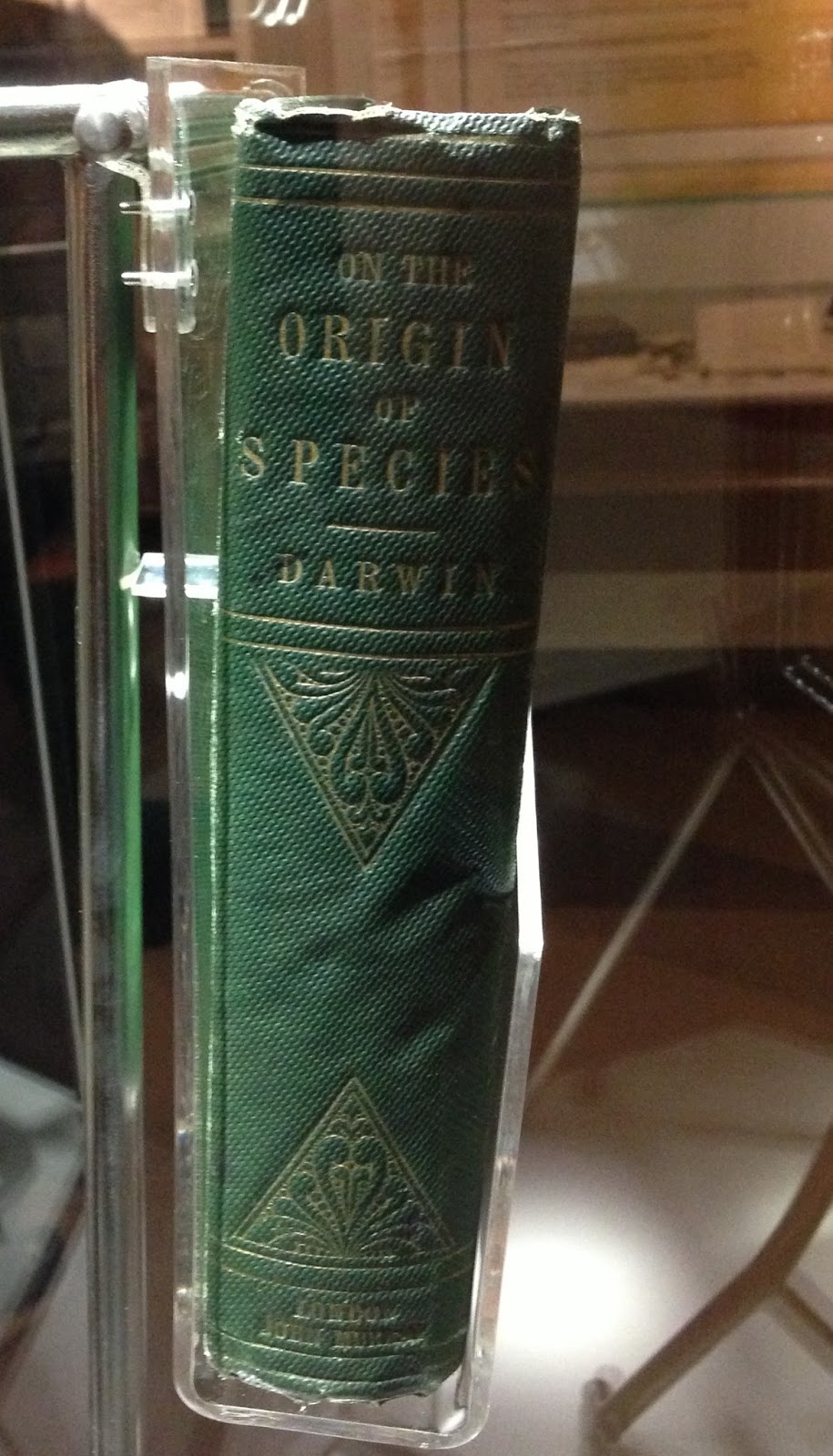
He also spent nearly 20 years writing and verifying Origin, before allowing it to be published.

He was a prolific letter writer – apparently penning over 14,000 whilst at Down House.
He often requested advice and expertise from other scientists and luminaries, and penned responses to any questions or debate about his book.

His family actually even had a poem on the subject:
Write a letter, write a letter;
Good advice will make it better;
Father, mother, brother, sister,
Let us all advise each other.

In 1851, Darwin spent £20 on ‘stationary, stamps and newspapers’, roughly £1000 in today’s money.

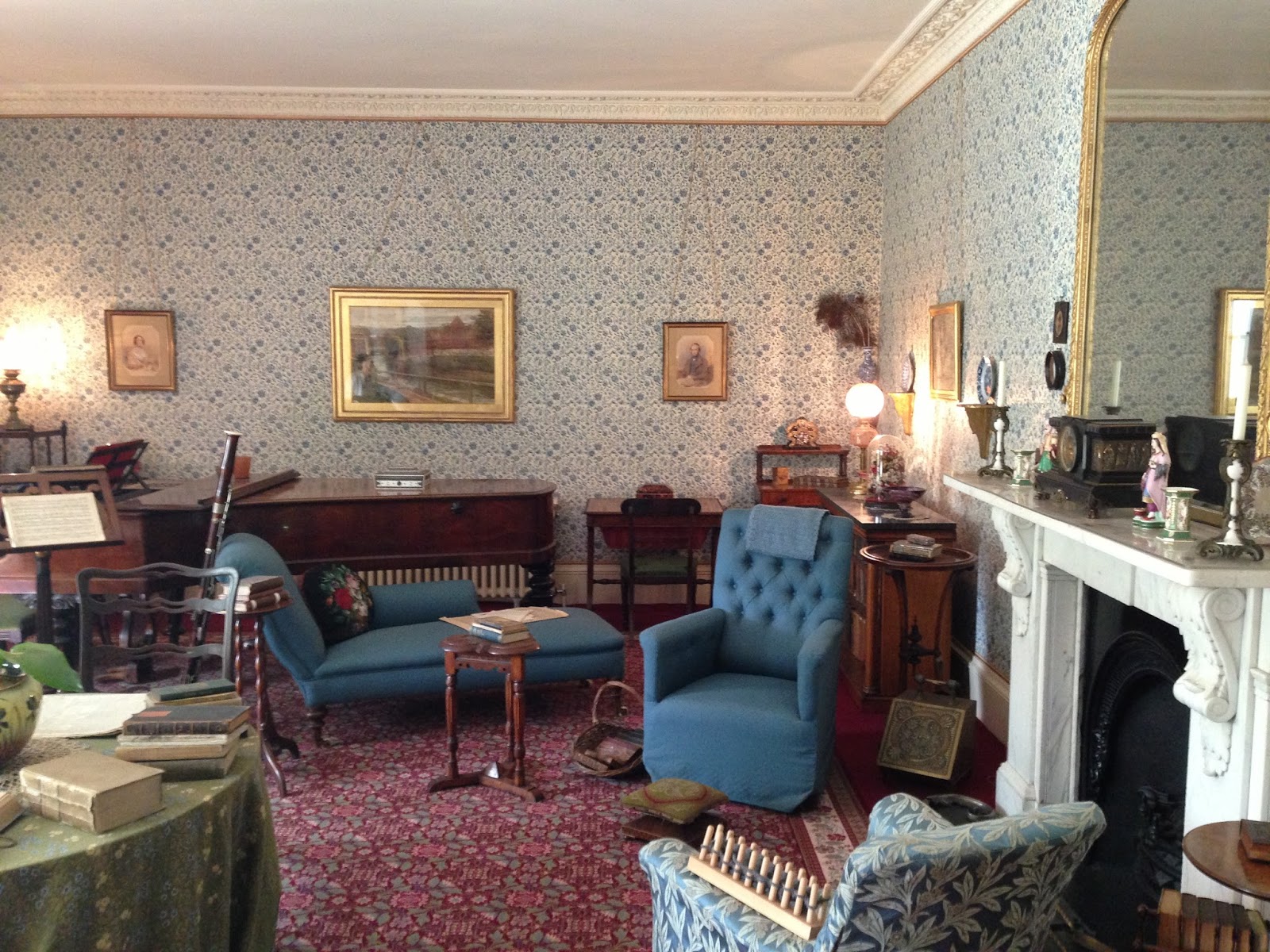
The drawing room in the house has been restored by the English Heritage to exactly how Darwin had had it.
Darwin and his wife-cousin Emma used to play two games of backgammon in there every night.
Darwin kept a running score, in a notebook of course.


And ah, the best bit of the house.
The study.
Man can only dream of a study as handsome as this.

I REALLY want these shelves and cabinets.


FIVE FACTS

#1. The first initial print run (1,250 copies) of On the Origin of Species sold out on its first day.
#2. At Cambridge, Darwin was a member of the Glutton Club which specialised in eating unusual creatures. It’s recorded that he tried Bittern and Hawk whilst there.
#3. Darwin was only 22 when he went out on the HMS
#4. The phrase ‘Survival of the Fittest’ wasn’t written by Darwin. Philosopher Herbert Spencer coined the phrase.
#5. Darwin was an avid reader, and took books with him wherever he went. He used to snap large books in half to lighten the load when carrying them.

1. Cartoon Museum 

2. Churchill War Rooms 
3. Cinema Museum 
4. Dennis Sever’s House 
5. Dr Johnson’s house 
6. Design Museum 
7. Down House 
8. The Geffrye Museum 
9. London Film Museum 
10. London Transport Museum 
11. Mansion House 
12. Brunel Museum 
13. Museum of the Order of St John 
14. Musical Museum 
15. Old Operating Theatre Museum & Herb Garret
16. Pollock’s Toy Museum 
17. Rose Theatre exhibition 
18. Fashion and Textile Museum 
19. Royal College of Music Archives and Museum of Instruments 
20. Sherlock Holmes Museum 
21. Twinings Museum 
22. V&A Museum of Childhood 
23. Bank of England museum 
24. The Stephens Museum 

Second museum of the weekend, and second friend bullied into visiting it with me.

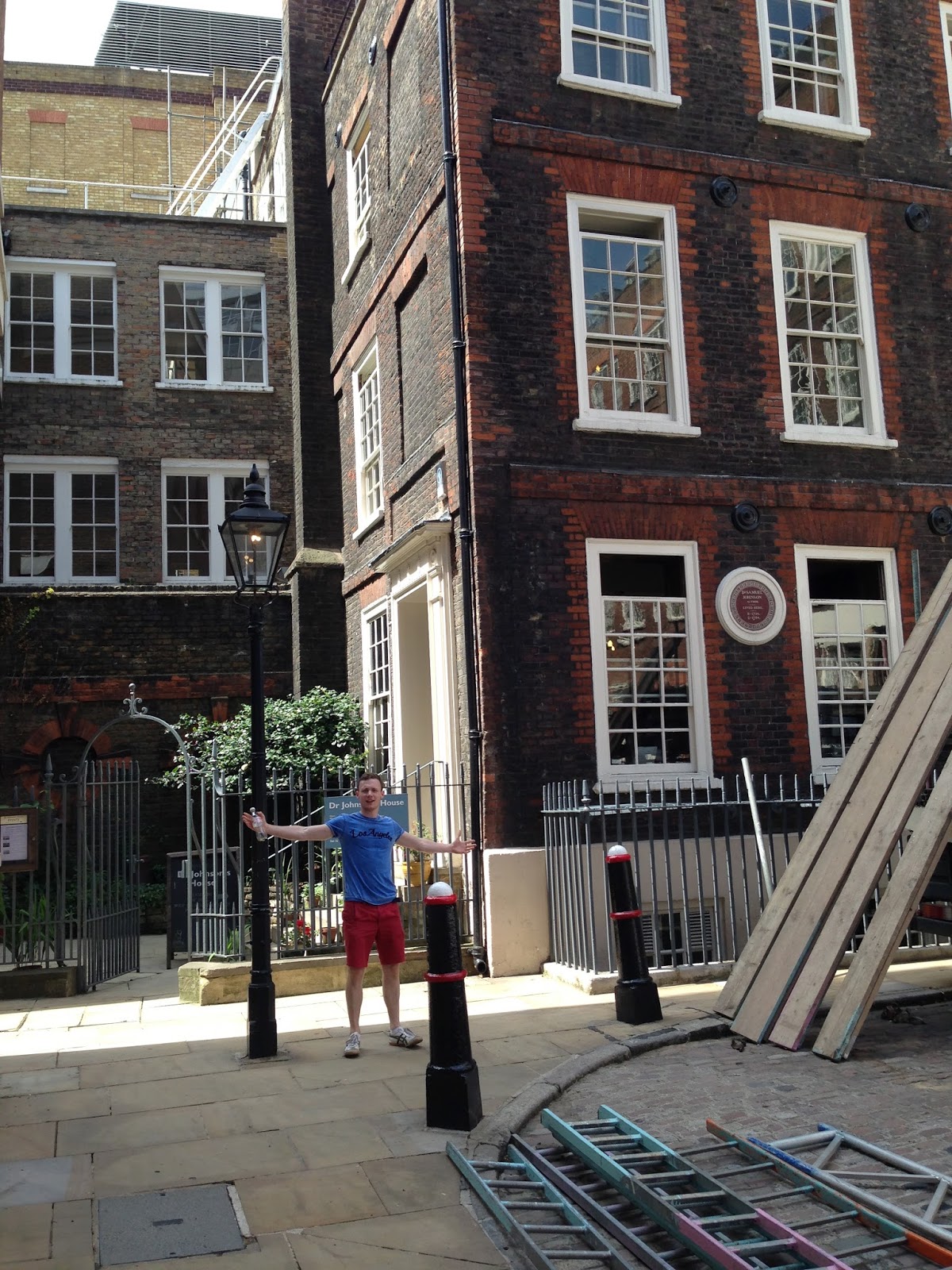
Tobin and I took a stroll through Farringdon on Saturday to visit Dr Johnson’s House.

Despite Tobin continually referring to him as Samuel. ‘L.’ Johnson, this museum was a delight.

Dr Samuel Johnson was a hugely influential writer in the eighteenth century – most famously penning ‘A Dictionary of the English Language.’ Although not the first English dictionary, it was deemed the most comprehensive and became the standard tome for the next 150 years.

How comprehensive does a dictionary have to be? Well the previous dictionary of choice defined ‘Black’ as ‘A colour’ and a ‘Dog’ as ‘An animal well known.’

Johnson wrote over 70 biographies, numerous essays and contributed to lots of periodicals including The Rambler, The Idler and The Adventurer.

The details of his life have been meticulously shared, thanks to his biography (written by friend, Boswell), numerous letters and diaries.

Imagine sending so many letters you had to carry a letter case…

Johnson struggled with money throughout his life, even when he was living at Gough Street.

At one time, Johnson owed so much money for milk that the milkman tried to have him arrested. Johnson barricaded his front door with his bed, shouting that he would “defend his citadel to the utmost.”

Amazingly – you can look up at the height of the house through the staircases of all four floors.

 Johnson feared that too much solitude would allow his imagination to take over his reason and send him made, so he’d deliberately surround himself with people. The house would be filled with a miscellany of lodgers including family, friends, casual acquaintances and total strangers. Personalities would often clash – and many a quarrel was heard in Gough Square.
He was quite unusual of the time, in that he held a high opinion of the intellectual possibilities of women – counting several of the ‘Bluestockings’ – a well known group of female thinkers and writers – amongst his friends.

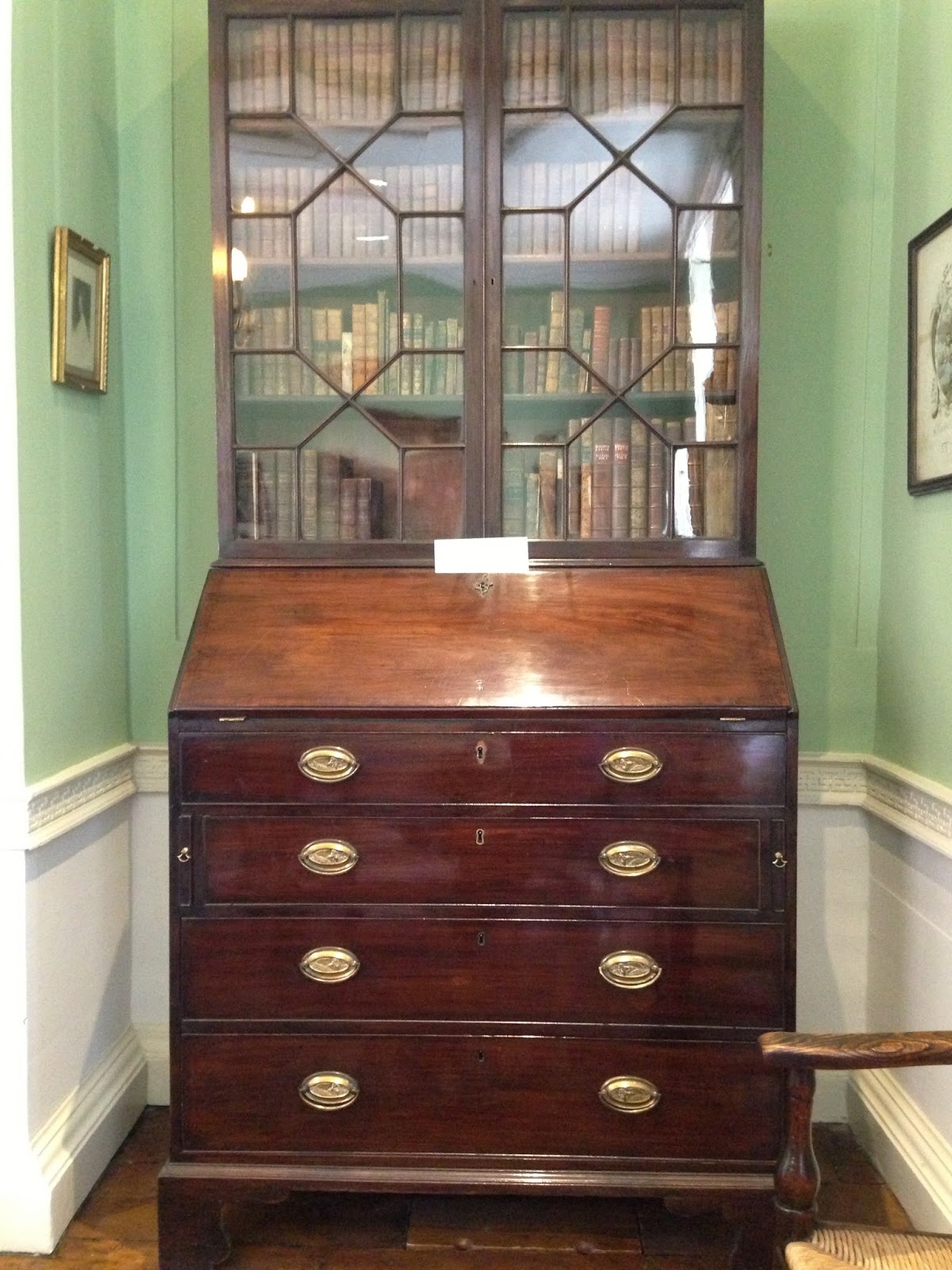
The bureau below belonged to Elizabeth Carter, longstanding friend of Johnson and hugely successful classicist.

They met whilst both writing for ‘The Gentleman’s Magazine.’
Carter used to get up around 4am to write and work late into the night, taking snuff to keep herself awake.

This strange looking chair, said to have come from the Cock Tavern was on display in the Withdrawing room. No one is exactly sure how you’re meant to sit on it – but I’m pretty sure it involves straddling it…

Tobin seemed to enjoy the dressing up most of all.

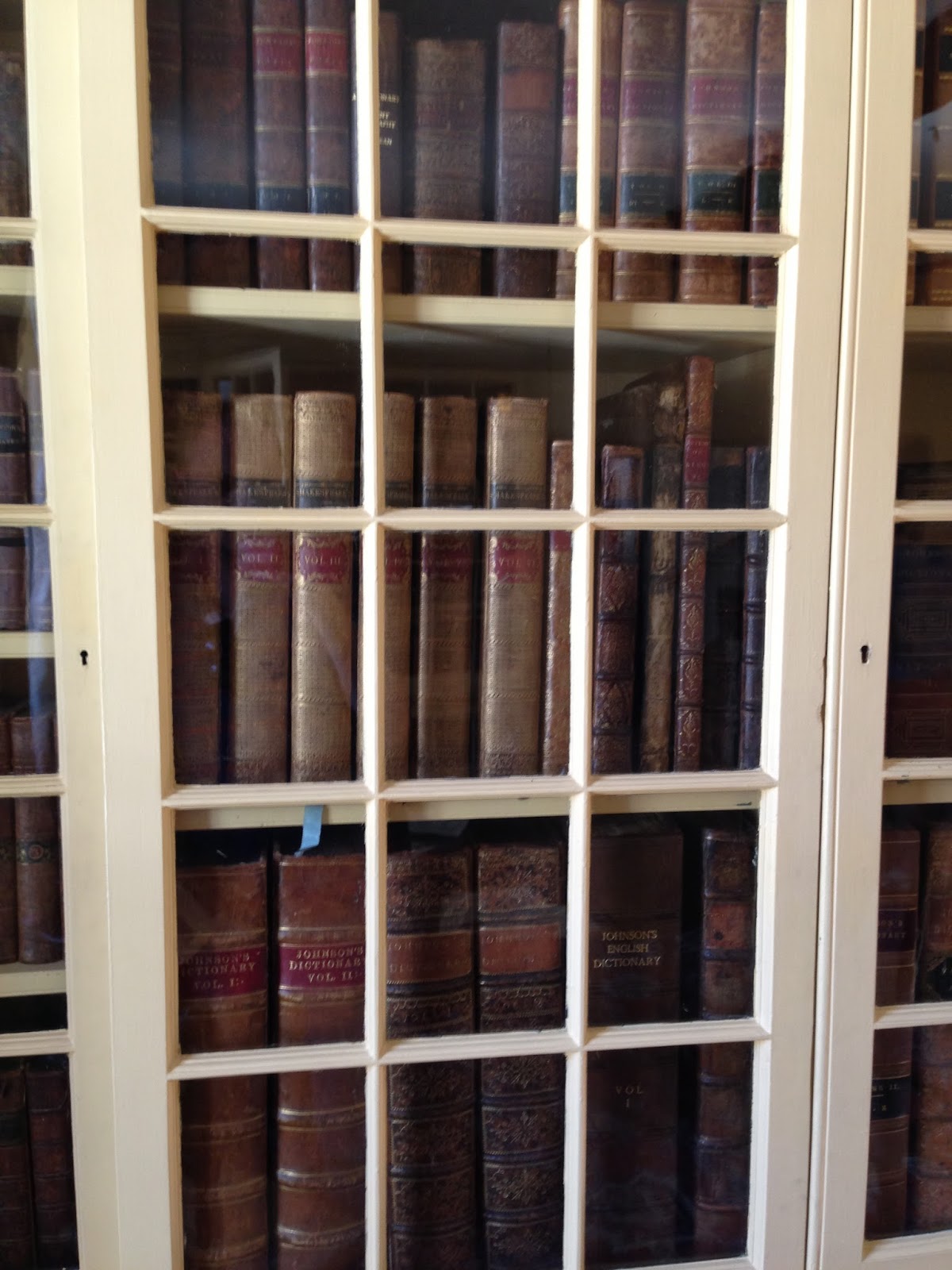
Johnson was a huge lover of literature, owning an awful lot of books.

But whilst he loved literature, the same courtesy didn’t extend to the books themselves.
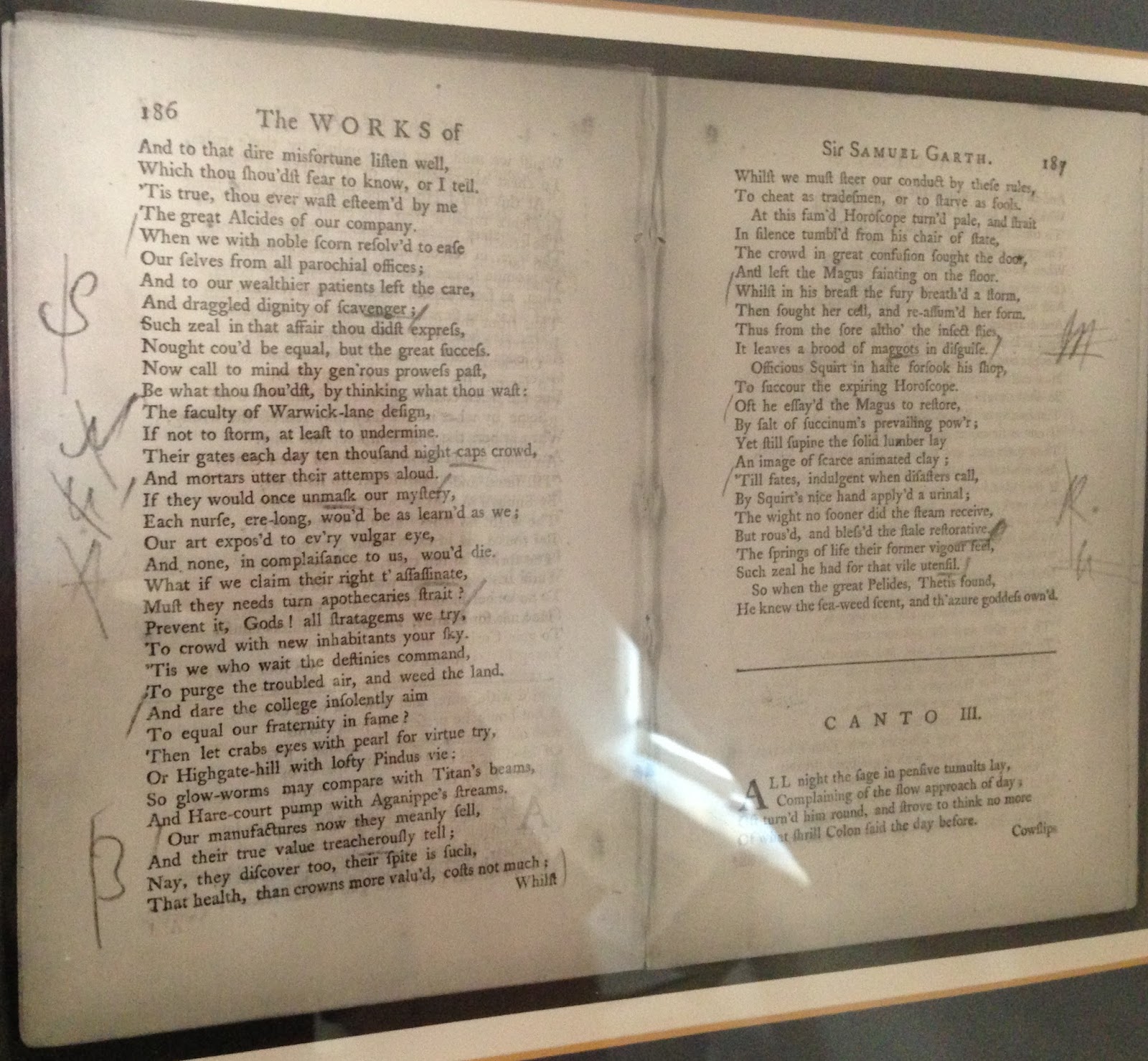
His books were scrawled upon and thumbed indelicately – regardless of value. Johnson stated that he only ever marked in pencil and any scribbles could be easily rubbed out using breadcrumbs.

His friends, however, had differing opinions, reporting his books as ‘so defaced as to be scarce worth owning.’

When Johnson set out to write the Dictionary, he had ambitious goals for the English language, describing it as a weedy garden that needed order.

He was fantastically thorough. One verb, ‘To Put’ was listed with over 100 variations for use.

Another neat trick from Johnson was to use quotations to show each word in context. In all, he used 110,000 quotations in his dictionary.

Every so often though, he’d allow his personal opinion and sense of humour to influence his definitions.
One such example is –
Oats: A grain, which in England is generally given to horses, but in Scotland supports the people.

FIVE FACTS
#1. Dr. Johnson wrote an entire novel, Rasselas, in a single week to pay for his mother’s funeral.

#2. Johnson is allegedly the second most quotes Englishman after Shakespeare due to his spoken and written word.

#3. Elizabeth Carter used to get up around 4am to write and work late into the night, taking snuff to keep herself awake.

#4. Johnson owned over 3000 books when he died in 1784.

#5. The pockets of Johnson’s coat were said to be big enough to hold the folio volumes of his Dictionary.

Here’s his dictionary, with a 50p placed upon it.

1. Cartoon Museum 

2. Churchill War Rooms 
3. Cinema Museum 
4. Dennis Sever’s House 
5. Dr Johnson’s house 
6. Design Museum 
7. Down House 
8. The Geffrye Museum 
9. London Film Museum 
10. London Transport Museum 
11. Mansion House 
12. Brunel Museum 
13. Museum of the Order of St John 
14. Musical Museum 
15. Old Operating Theatre Museum & Herb Garret
16. Pollock’s Toy Museum 
17. Rose Theatre exhibition 
18. Fashion and Textile Museum 
19. Royal College of Music Archives and Museum of Instruments 
20. Sherlock Holmes Museum 
21. Twinings Museum 
22. V&A Museum of Childhood 
23. Bank of England museum 
24. The Stephens Museum 

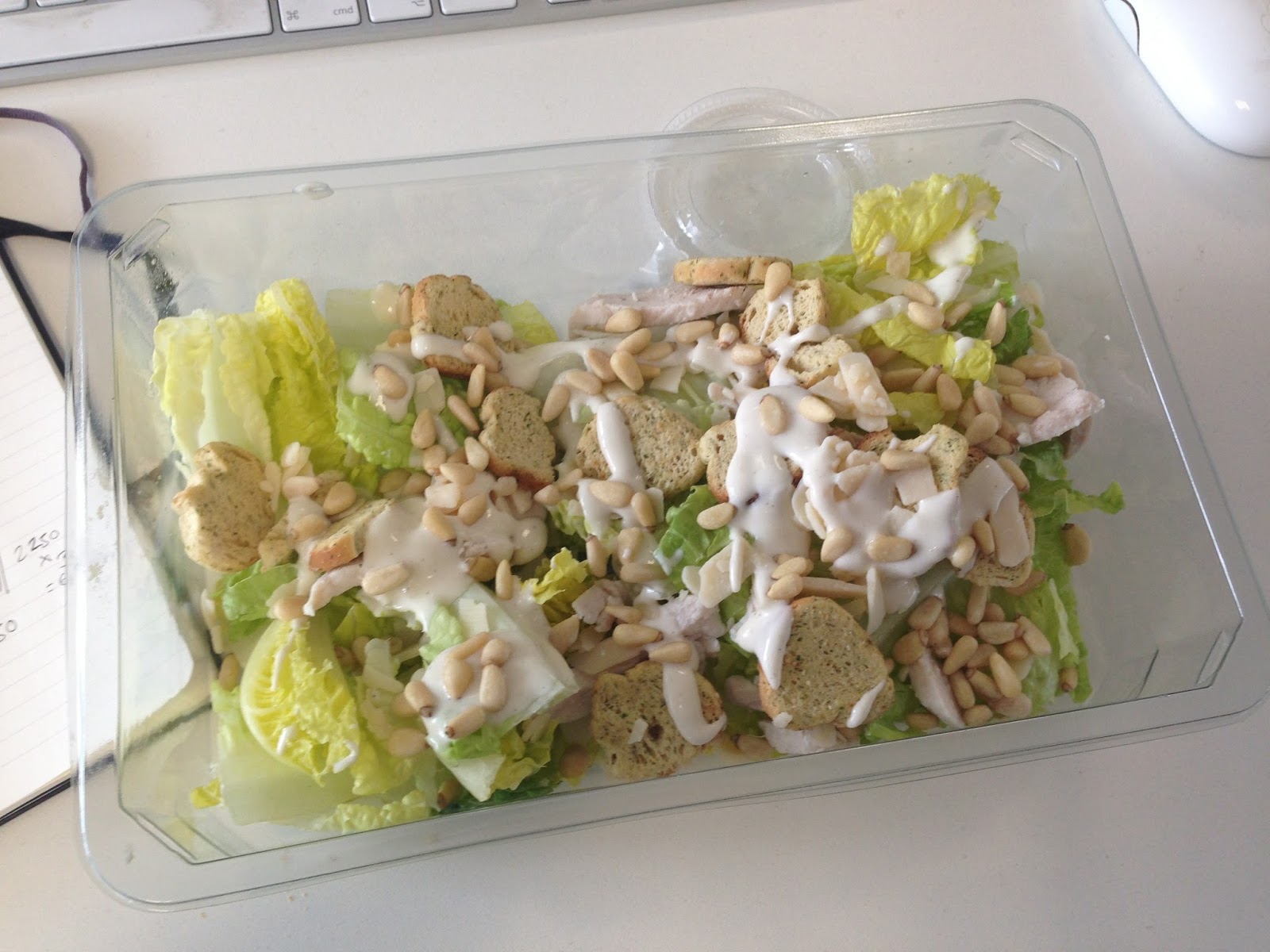
For the last week or so, I’ve been routinely buying this caesar salad from Tesco.
I don’t think anyone would describe me as a ‘salad eater.’But for some reason I really like this one.

I’ve come to the conclusion it’s because there’s some sort of ritual involved in ‘making’ it.

It’s a bit like Dairylea Lunchables in the playground – it gets you using your hands and preparing your food yourself.

(despite being a salad, notice the copious amount of dressing. Not so healthy after all…)
This is, perhaps surprisingly, a really interesting museum.
It’s only open during the week, so I had to bully Huw into joining me.
He was visiting and I had a day off work to hang out with him around London.
The concept of banking in England dates back to goldsmith bankers in the early 17th century – who used strongrooms to hold valuables and cash of wealthy individuals for safe keeping.
They effectively invented the modern bank note; the depositor obtained a receipt which represented a promise to pay back the amount of his deposit. Before long these notes began to change hands as a substitute for ready cash.
Here’s one note from 1688, drawn on the goldsmith banker Francis Child.


And this one for banker William Morris is even earlier, dated 8th December 1660.


Today’s cash still nods to it – with every bank note stating ““I promise to pay the bearer on demand the sum of …”
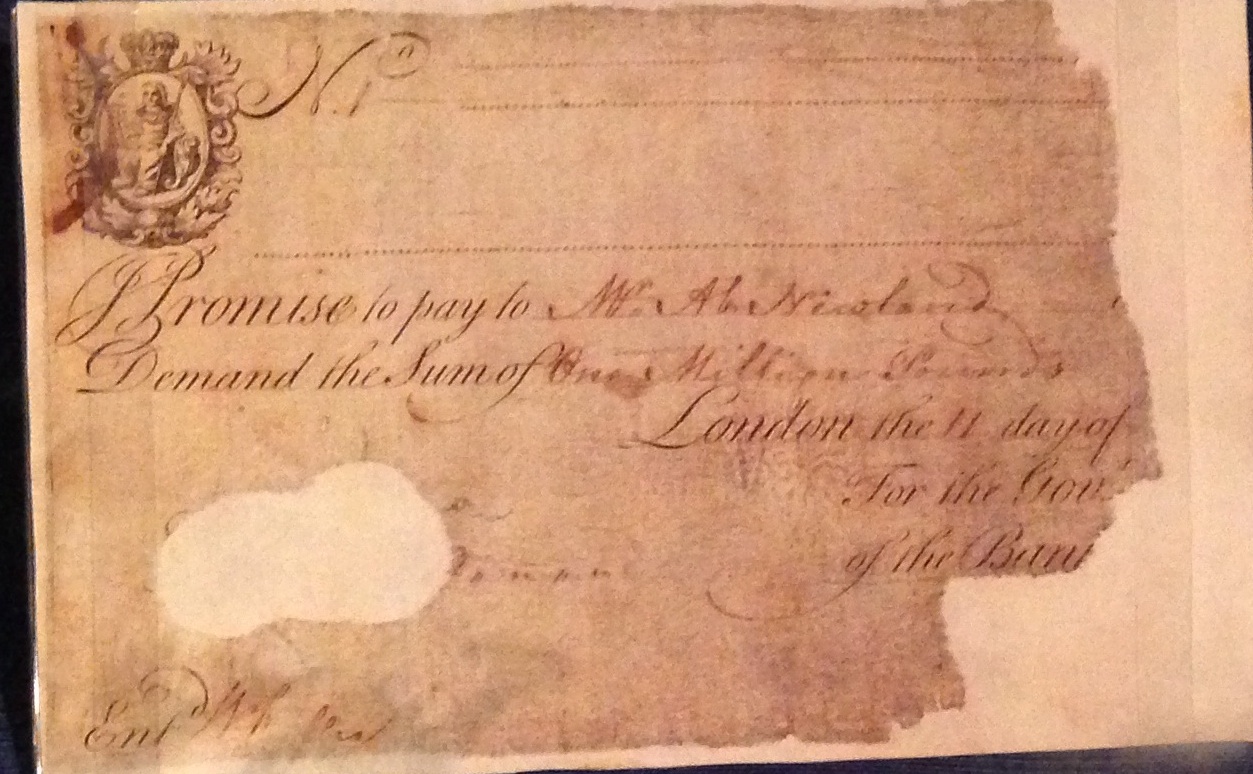
Speaking of notes, I caught a glimpse of an early 19th century £1,000,000 note in one cabinet.
Before you get too excited though, it’s only used for internal accounting procedures.


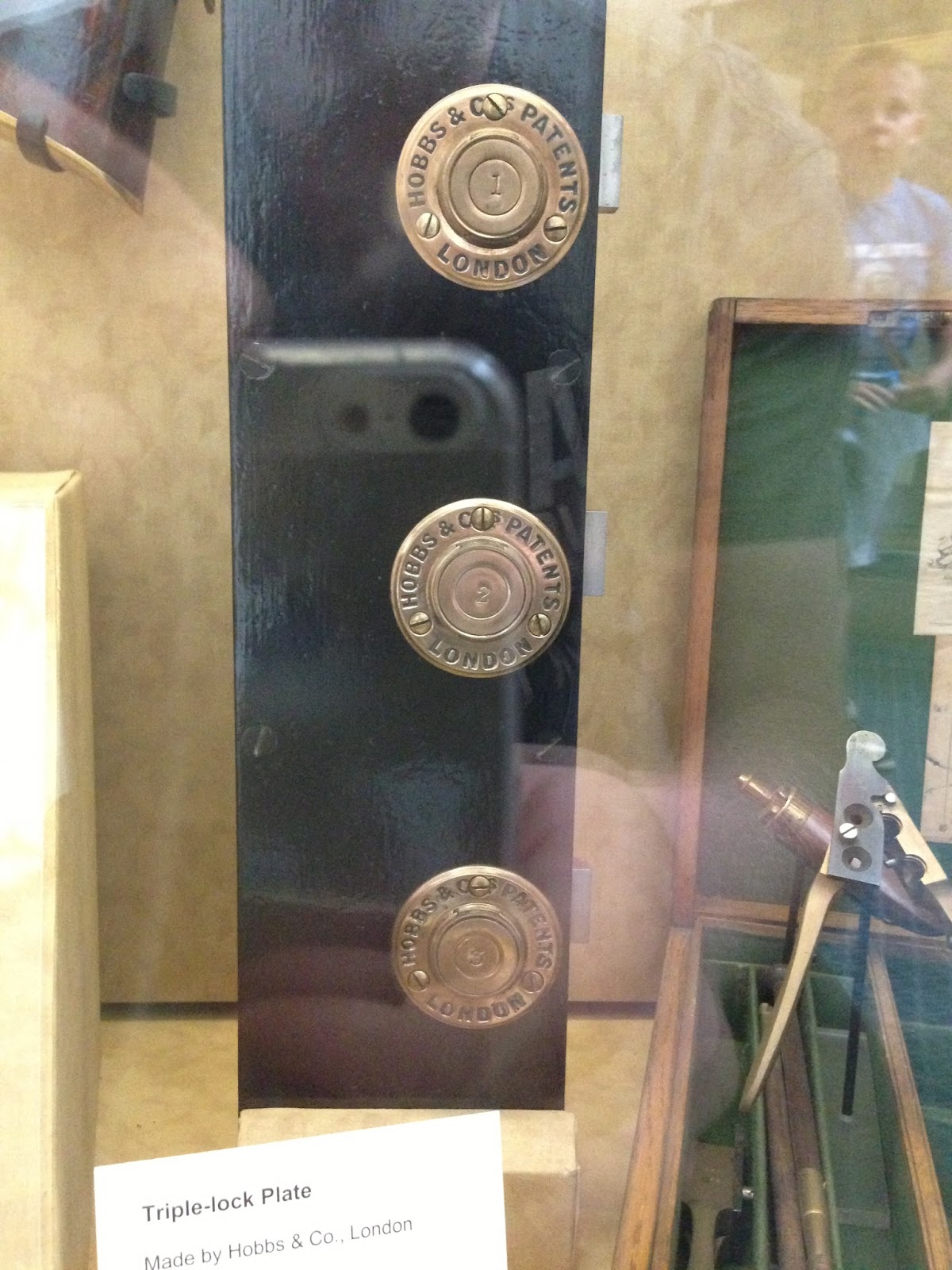
Before the Gordon Riots in 1780, the bank’s physical security was relatively law – amounting to little more than a few nightwatchmen.Things soon changed.

I loved this triple lock plate from 1930. The three locks are each operated by a separate key, held by a different person.

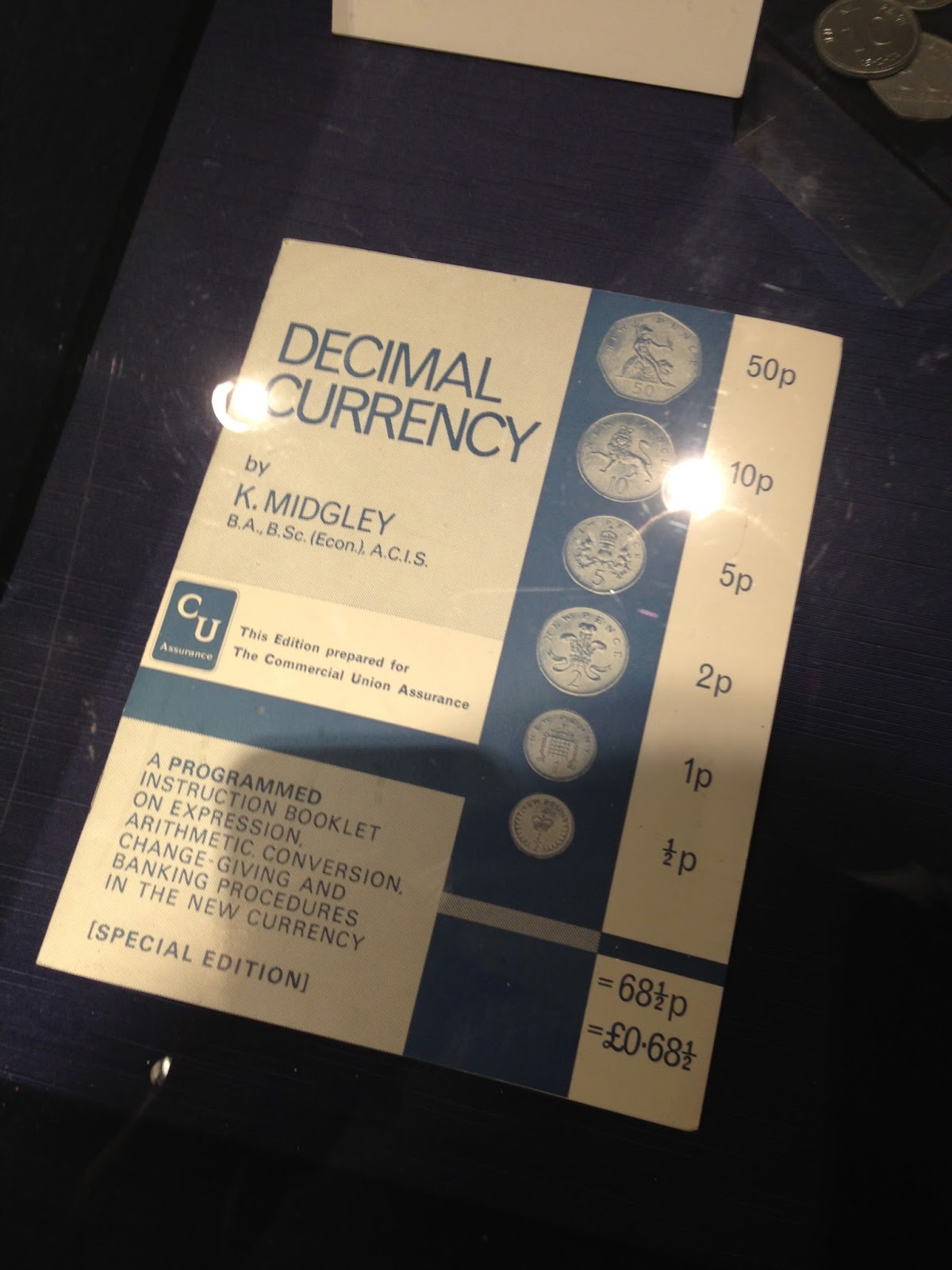
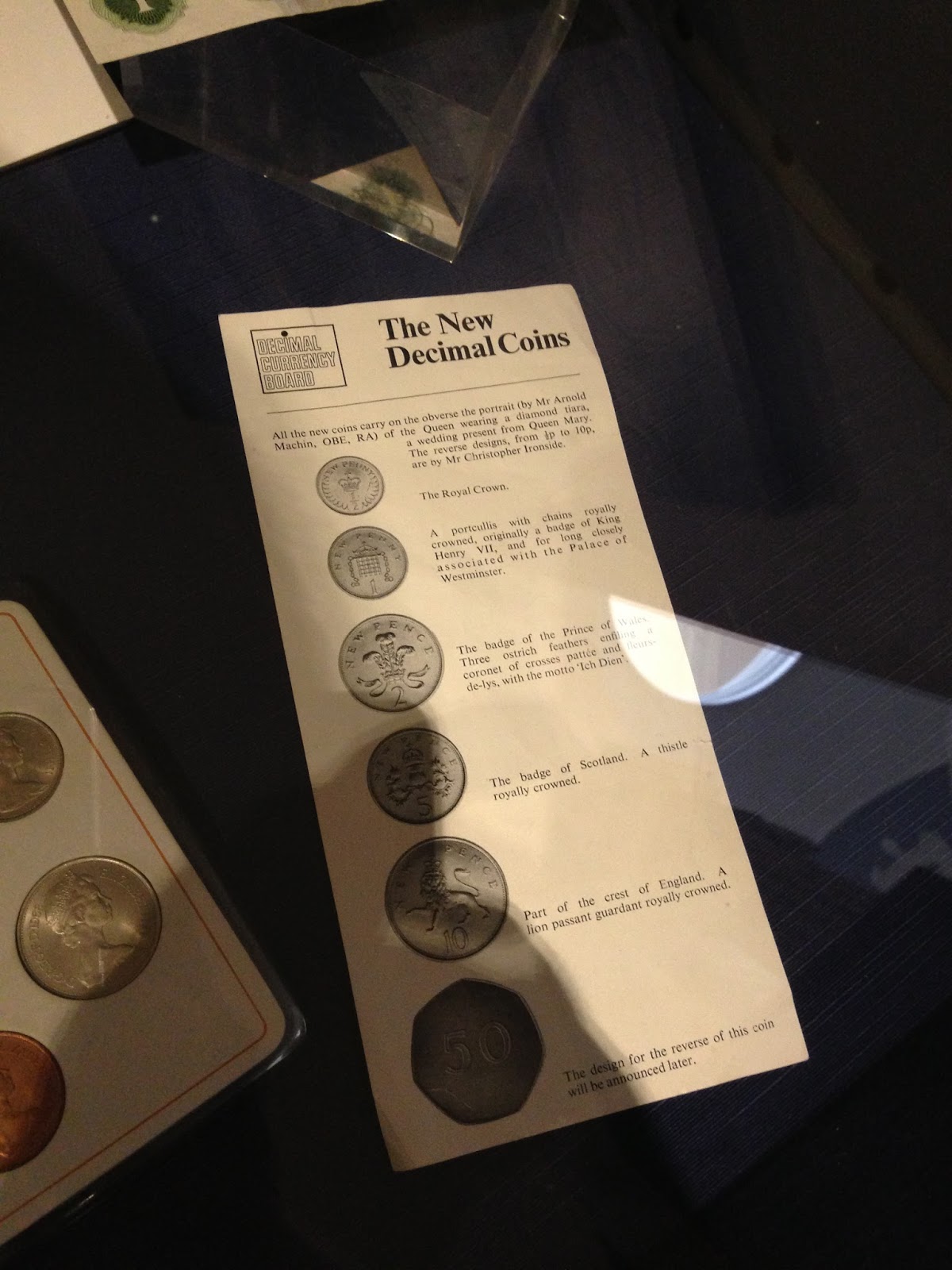
In 1966, it was announced that the UK currency (twelve pennies to the shilling and twenty shillings to the pound) would be replaced by a decimal system.

Pamphlets were produced to introduce the system.
Could they look more boring?!

All in all, the museum is pretty interesting – but unfortunately I didn’t manage to get much more than the snaps above.

FIVE FACTS

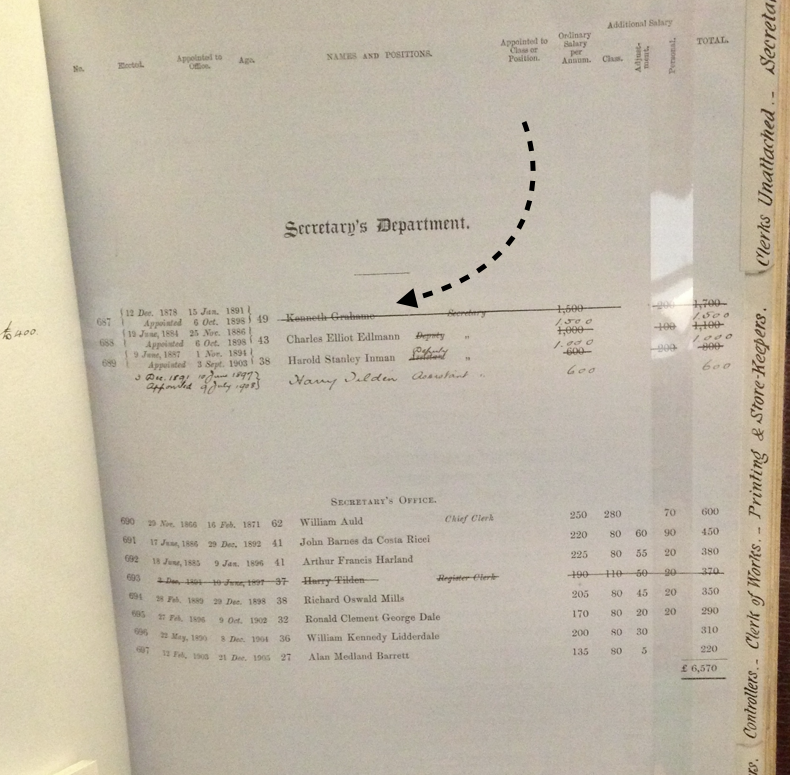
#1. Kenneth Grahame, author of Wind in the Willows, worked at the bank for nearly thirty years.

#2. An ounce of gold can be stretched over 50 miles. 50 miles!

#3. Gold scales at the Bank of England are accurate to the weight of a postage stamp.

#4. Gold bars look like they’re stored upside down, but it’s actually to make them easier to pick up. Bars are stored in an underground vault at the Bank of England, 80 bars per pallet.

#5. £20 = Score. £25 = Pony.

1. Cartoon Museum 

2. Churchill War Rooms 
3. Cinema Museum 
4. Dennis Sever’s House 
5. Dr Johnson’s house 
6. Design Museum 
7. Down House 
8. The Geffrye Museum 
9. London Film Museum 
10. London Transport Museum 
11. Mansion House 
12. Brunel Museum 
13. Museum of the Order of St John 
14. Musical Museum 
15. Old Operating Theatre Museum & Herb Garret
16. Pollock’s Toy Museum 
17. Rose Theatre exhibition 
18. Fashion and Textile Museum 
19. Royal College of Music Archives and Museum of Instruments 
20. Sherlock Holmes Museum 
21. Twinings Museum 
22. V&A Museum of Childhood 
23. Bank of England museum 
24. The Stephens Museum 

Location: The Wenlock Arms, N1
Date: 15.07.13

Name: Eton Boatman
Brewery: Windsor & Eton
ABV: 4.3%

Taste: 4.5
Mouthfeel: 4
Finish: 3.5
Branding: 2

Location: The flat
Date: 19.07.13

Name: God lager
Brewery: Nils Oscar
ABV: 5.3%

Taste: 4.5
Mouthfeel: 4
Finish: 3.5
Branding: 2

There’s an exhibition on at Somerset House at the moment about the restaurant elBulli.
If you get a chance to go, it’s well worth visiting.
It’s also probably the closest you’ll ever get to Ferran Adria’s food – as it’s now closed down.

The restaurant was originally founded by Dr Hans Schilling and his wife Marketta in 1965.
Marketta kept French bull dogs, which she affectionately called ‘Bullis’

The bullis symbol ended up on everything:

By the mid 1970s, Jean-Louis Neichel raised the bar and secured its first Michelin star. Chef Jean-Paul Vinay and Juli Soler arrived, winning the restaurants second star.

By late 1984, Ferran Adria and Christian Lutaud shared the title of head chef.
In 1987, at the age of 25 (!), Ferran Adria took sole charge of the kitchen.

Shortly afterwards, in a chat with the great French chef Jacques Maximin, he found the fundamental principle he would cook by:

CREATIVITY MEANS NOT COPYING

Once the decision never to make any more versions of cookbook recipes had been made, Ferran Adria worked to develop a new style of his own.

Parallel to the daily service, Ferran and his closest team members made the most of afternoons when there was no service and used them to think up and perform tests which were then meticulously recorded in creativity books.

The creation of certain dishes called for the exact reproduction of ingredients and arrangement. This was made possible by producing guides using modeling clay, like this.

Ferran talks about Technical and Conceptual research.

Essentially shifting from trying to find new dishes, to trying to find new techniques. From trying to find new words for things, to trying to find new languages.

Here’s a video of him talking about it.

And here’s a diagram. That is simultaneously illuminating and confusing.

Ferran soon developed a team exclusively for the theory and practice of creativity – in the form of his cooking workshop.

Pretty interestingly, they introduced a creativity audit which, using a standard procedure, assessed the degree of excellence of new menu contributions.

Who said that order and creativity didn’t mix…?

All dishes were catalogued – 1846 in all.

Here’s a diagram of their creative process.

Again interestingly – it’s more about the process/technique than the dish.

Ingredients come in at the prototype stage.

Ferran compiled 23 points which characterized elBulli’s cooking.

Here’s a couple of ones that are interesting outside of food.

9. A dish is enjoyed through the senses; it is also experienced and rationalized by reflection.

23. Knowledge and/or collaboration with experts from different fields (gastronomic culture, history, industrial design, etc.) is essential for progress in cooking. In particular, collaboration with the food industry and the scientific world has brought about fundamental advances in cooking. Sharing this knowledge among the sector’s professionals has contributed to this evolution.

Every possible thing was considered – even the serving dishes. The container as well as the content.

In the late 90s, chefs realized that avant-garde cuisine would evolve much quicker if they shared what each person had discovered.

From 2009 onwards, every elBulli menu ended with this box of chocolate and sweet treats. 17 different types – truly Willy Wonka’s treasure chest. (2049 + 2050)

elBulli was closed at it’s peak by Ferran, at the end of July 2011.

This is a Bulli made for the restaurant’s closing day.

It’s little wonder why elBulli was the best restaurant in the world.
It’s just annoying I’ll never get to taste its food.

Nice sort of rough-and-ready museum from the outside.

I’m not saying I visited this museum purely to have as many friends as the boy in the picture below… but toys are great, aren’t they?

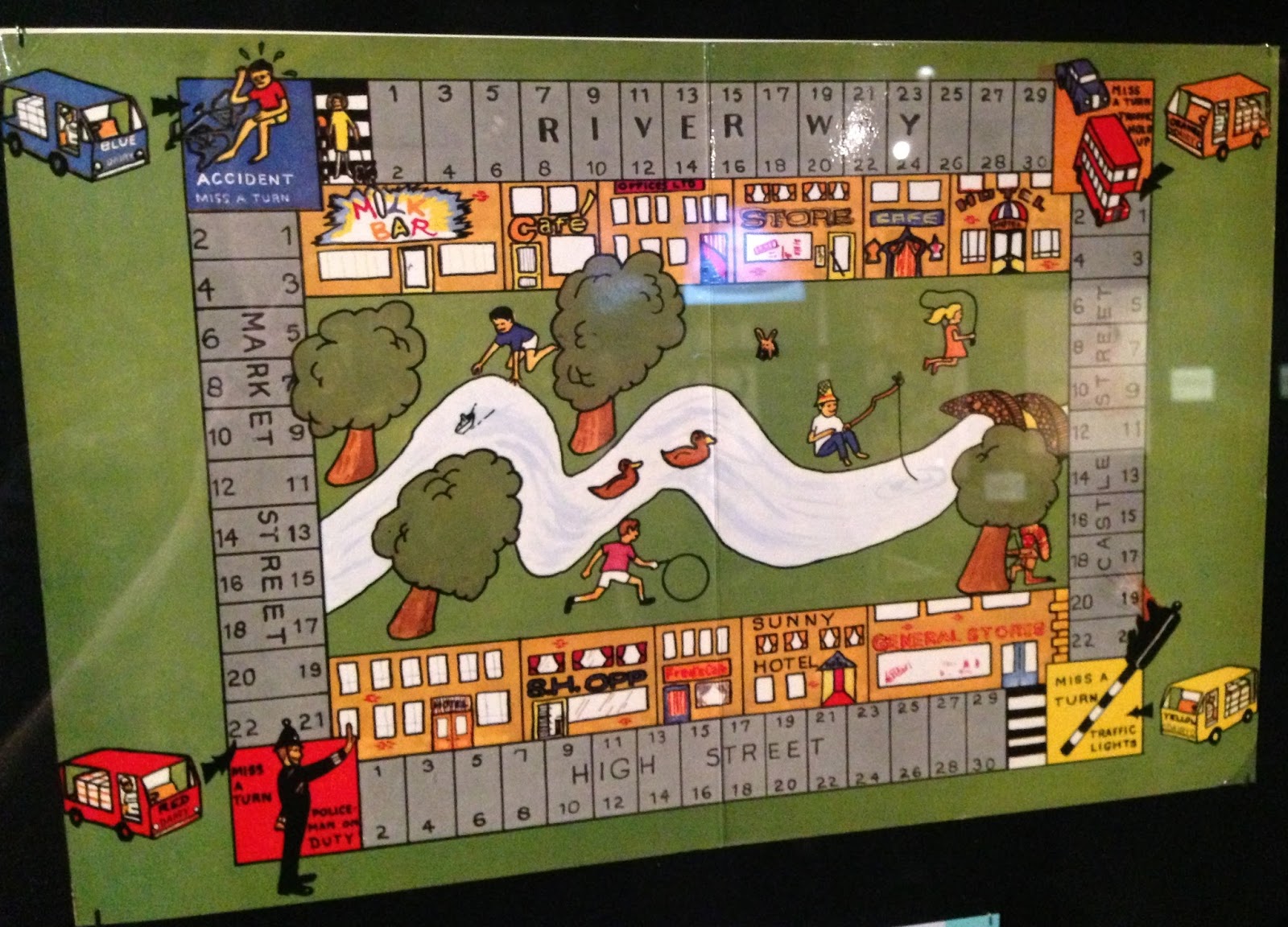
As are games.
Some of the games we saw had brilliant names / descriptions.

Who Knows – An intellectual exciting game!

‘The New game of Retrieve’

‘Bricks of the Empire’ doesn’t sound quite so nice.

But my I wish I had a Cabinet of Conjuring Tricks like this.

I learnt that ‘Penny Dreadfuls’ were cheap popular fiction for the working class children. It would also make a fantastic band name. Penny Dreadfuls were full of stories about violence and criminal activity.
It wasn’t long before respectable publishers brought out slighter tamer magazines for market.
Penny Dreadfuls began to bring their publications into line, with Boys of England and Boys Leisure Hour.

It wasn’t until much later that the Beano came around.

This amazing kid carved the wooden boats on display by hand. He died at the age of eight. Brilliant craft.

We met the real Sooty, Sweep and Soo.

I never knew these were called Matreosehkas.

During the First World war, toy soldiers were created and proved very popular with young boys.
After the war had finished, the toy manufacturer ‘Britains’ launched a peace toy: the farmyard. The set was pretty expansive, including farmers, labourers, and dairy maids. The legendary, and very rare, village idiot was said to have been suggested by Queen Mary.

Perhaps more than anything though, this museum will be remembered for having the scariest dolls I’ve ever seen.

FIVE FACTS
#1. Snakes and Ladders is based upon an Indian game called Moksha-Patamu, which was often used for religious instruction. The game represented the journey of the soul through life and heaven, with the path shortening by virtue and good deeds, and lengthening by evil and vice.

#2. The earliest printed race game was The Game of Goose. It was invented in Florence and registered in England in 1597. This became the prototype for all European ‘track’ games.

#3. Frank Hornby, the Liverpool entrepreneur created the Dinky Toy, Hornby trains AND Meccano.

#4. The first powered toy trains were steam driven. Just like the real thing.

#5. Matchbox toys came about when two boys, aged twelve, decided they would go into business together when they were old enough to leave school.

1. Cartoon Museum 

2. Churchill War Rooms 
3. Cinema Museum 
4. Dennis Sever’s House 
5. Dr Johnson’s house 
6. Design Museum 
7. Down House 
8. The Geffrye Museum 
9. London Film Museum 
10. London Transport Museum 
11. Mansion House 
12. Brunel Museum 
13. Museum of the Order of St John 
14. Musical Museum 
15. Old Operating Theatre Museum & Herb Garret
16. Pollock’s Toy Museum 
17. Rose Theatre exhibition 
18. Fashion and Textile Museum 
19. Royal College of Music Archives and Museum of Instruments 
20. Sherlock Holmes Museum 
21. Twinings Museum 
22. V&A Museum of Childhood 
23. Bank of England museum 
24. The Stephens Museum 

Something I’ve been keeping quite a keen eye on so far is the museum vs shop ratio.
Geffrye Museum? Middle sized museum, middle sized shop
Transport Museum? Big shop, but extremely big museum (housing buses, trains and traffic lights.)
Rose Theatre? Tiny one room exhibition, tiny desk of trinkets for sale.

The museum vs shop ratio for the Twinings museum has unfortunately upset the balance.
This is a tea shop, with two glass cabinets of fairly interesting stuff.

So whilst I’d love to have lots to share, I’ve got… well not much.
But here goes.

Thomas Twining was 31 when he started his business. (So there’s hope yet.)

The Twinings site was next door to Tom’s Coffee House, on the Strand. Twining became the proprietor of Tom’s in 1706, and opened Twinings (then called Golden Lion Tea) next door in 1710.

Perhaps someone standing outside on the Strand posed, for the first time ever, the question ‘Tea or Coffee?’

Tea was precious, and kept in caddies like these:

There’s an amazing document on show written about 70 years ago – with a delightful turn of phrase.

“If you have the courage of your palate, I invite you to find out for yourself what the great teas of the world are like. I would have you explore the smoky richness of a vintage Lapsang Souchong (beloved of J.P. Morgan); the crackle and bite of a lordly Darjeeling; the pure elysium of a properly cured Formosa Oolong. Truly these are exalted brews, and lest you approach them with soul unshriven let us dip for a moment into the basic lore of tea.”

Or how about:

“If you go adventuring among teas – and for the civilizing of your soul I urge you to do so – you want to be very sure of what you are doing before you tackle a Lapsang Souchong. This is the roaring China black tea that has almost literal hair on its chest.”

It goes a bit skew here:

“Be careful about trying it on women. As a rule, it is too strong for their lily insides.”

But returns to form again with:

“On only one point along would I be sternly dogmatic – be sure to make your tea strong enough; get some real flavor into it.”

It would be nice to have a quick peek in the Afternoon Tea Book. Alas, it was behind glass.

And if anyone would like to send me a box of this to taste, that would be nice.


FIVE FACTS
#1. Twinings is believed to be the oldest company to have traded continuously on the same site with the same foundation since its foundation. (It also probably means they deserve the London Tenant of the last three centuries.)

#2. Samuel Pepys wrote on 28th September 1660 – “I did send for a cup of tea (a China drink) of which I had never drank before.” But seven years later however, he writes that he had come home to find his wife making tea, as if it had become a much more common thing.
So it took seven years for tea to grip the English. Seven years!

#3. But we were significantly late to the party. The Chinese philosopher Lao Tsze lived in the 6th century B.C and it is mentioned within his doctrines that he went into a gatekeeper’s house, and together they drank tea.

#4. Herbert Joseph Colclough (ex-Mayor of Stoke-on-Trent don’t-ya-know) was the first person to produce and sell ‘fine porcelain’ by single unit. Previous to this, these items would have to be bought as a whole set. By doing so – he opened up the market to the ordinary person on the street, allowing people to build a collection piece by piece.

#5. There was no knowledge of tea in Europe prior to 1517, when ‘intercourse’ began between Portugal and China. It was first transported to Europe in 1610 by Dutch merchants.

1. Cartoon Museum 

2. Churchill War Rooms 
3. Cinema Museum 
4. Dennis Sever’s House 
5. Dr Johnson’s house 
6. Design Museum 
7. Down House 
8. The Geffrye Museum 
9. London Film Museum 
10. London Transport Museum 
11. Mansion House 
12. Brunel Museum 
13. Museum of the Order of St John 
14. Musical Museum 
15. Old Operating Theatre Museum & Herb Garret
16. Pollock’s Toy Museum 
17. Rose Theatre exhibition 
18. Fashion and Textile Museum 
19. Royal College of Music Archives and Museum of Instruments 
20. Sherlock Holmes Museum 
21. Twinings Museum 
22. V&A Museum of Childhood 
23. Bank of England museum 
24. The Stephens Museum 

Location: The Duke of York, London
Date: 04.07.13

Name: Guzzler
Brewery: York Brewery
ABV: 3.6%

Taste: 4.5
Mouthfeel: 4
Finish: 3.5
Branding: 2

Location: The Navigation, Lapworth
Date: 06.07.13

Name: Lapworth Gold
Brewery: Byatts of Coventry
ABV: 4.2%

Taste: 3.5
Mouthfeel: 4.5
Finish: 4
Branding: 3

Location: Sainsburys / BBQ
Date: 07.07.13

Name: Badger Golden Champion
Brewery: Hall & Woodhouse
ABV: 5%

Taste: 4.5
Mouthfeel: 4
Finish: 4
Branding: 5

Location: The Wenlock Arms
Date: 07.07.13

Name: Billabong
Brewery: Tiny Rebel Brewing Co
ABV:4.6%

Taste: 3.5
Mouthfeel: 4
Finish: 3.5
Branding: 4.5