So I’m a bit late putting these up… but I’ve finally decided on what challenges I’m going to do in my 26th year. Should be an interesting (if slightly weird) year…

1. 26 MINI PILGRIMAGES This year I’m aiming to make 26 mini pilgrimages to graves and memorials of people that have influenced the way I think. All have contributed significantly to culture, creativity, art and science. (I’ve got a slightly longer list than the one below, and will swap in and out if the opportunity arises.)

  1. Arthur Conan Doyle
  2. Edward Ardizzone
  3. Isaac Newton
  4. Oliver Postgate
  5. Spike Milligan
  6. Rudyard Kipling
  7. Winston Churchill
  8. Henry Tate
  9. Charles Darwin
  10. Emily Davison
  11. Bert Jansch
  12. Heath Robinson
  13. Farrokh Bulsara (Freddie mercury)
  14. Brian Epstein
  15. Rik Mayall
  16. John Bonham
  17. William Shakespeare
  18. Amy Winehouse
  19. Frank Pick
  20. Ian Fleming
  21. John Venn
  22. Ada Lovelace
  23. Alan Turing
  24. John Peel
  25. Robert Hooke
  26. Christopher Wren

It’ll see me get all over the country:

Map.001

2. 26 NEW RECIPES I used to be quite a good cook. At one point, I even wanted to be a chef. And one look on instagram will prove to anyone that I love my food. But the last few years, I’ve got quite lazy in the kitchen – and I must admit that Wist ends up cooking more than I do. This year I’m going to try 26 new recipes – and try and rediscover my love for cooking (rather than just eating…) Going to keep it an open list, rather than fixed. And I’m probably going to include cocktail recipes.

3. 26 INDEPENDENT COFFEE SHOPS Less boozy than last year. I’m hoping this will be better for both physical and mental health. Ideally I’ll experience something similar to society’s jump from the middle ages to the enlightenment. That was just swapping mead for coffee – right…? (Couple of rules – I can’t have been in them before. And I’m going to count micro chains etc. Open list rather than fixed.)

As usual, I’m also going to aim to wrap up my year with 26 photos.

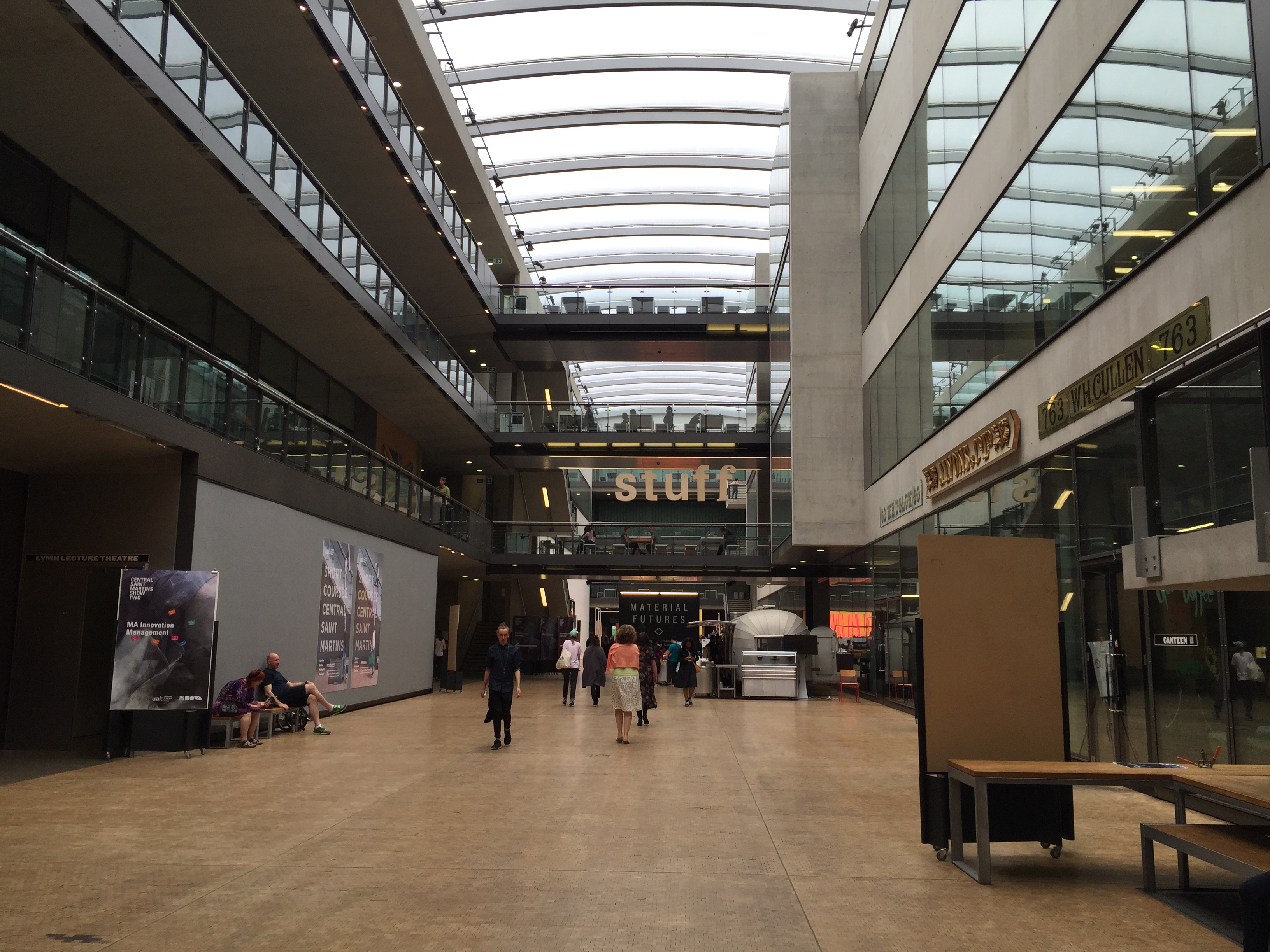
We visited Central St Martins the other day for the degree shows. The shows were fantastic, but the thing that blew me away was the Central St Martin’s building itself. They’ve clearly taken the time and effort to think strategically about how the design of a space can impact collaboration and creativity.

They appear to have used raw materials throughout – lots of concrete, exposed metal and floating plywood. Here’s the d.school view on that: ‘Raw materials can be finished to feel less precious. Less precious materials are approachable and malleable and can be a strong signifier for a culture of making.’

SPACE.001

The central atrium is reminiscent of Pixar’s HQ in California. A food truck sits in the centre of it, and the student union bar is tucked away at the very end. It makes for the casual collisions Steve Jobs built into Pixar – a fantastic move by CSM.

SPACE.002

Variable spaces (like classrooms) are kept bare – offering a blank canvas for those that occupy them. You can imagine just how muddled and marvelous it must get in there when 30 or so people are working on their individual projects.

IMG_3423

Fixed spaces appear consciously messy: the typography office looked like it was chock full of wooden block lettering and old reclaimed signs.

SPACE.003

The students there should feel privileged somebody took the time to think it all through – hats off to the team behind it.

On Sunday Wist and I popped along to the CSM degree shows in the new KX campus. The sheer number of pieces on show was frightening – it’s scary to think about the number of people trying to break into the creative industries in a given year.

The space itself is fantastic – so much so I think it needs its own post. They’ve clearly thought strategically about how to create an environment that stimulates creativity. They’ve definitely read d.school’s ‘Make Space’.

IMG_3250

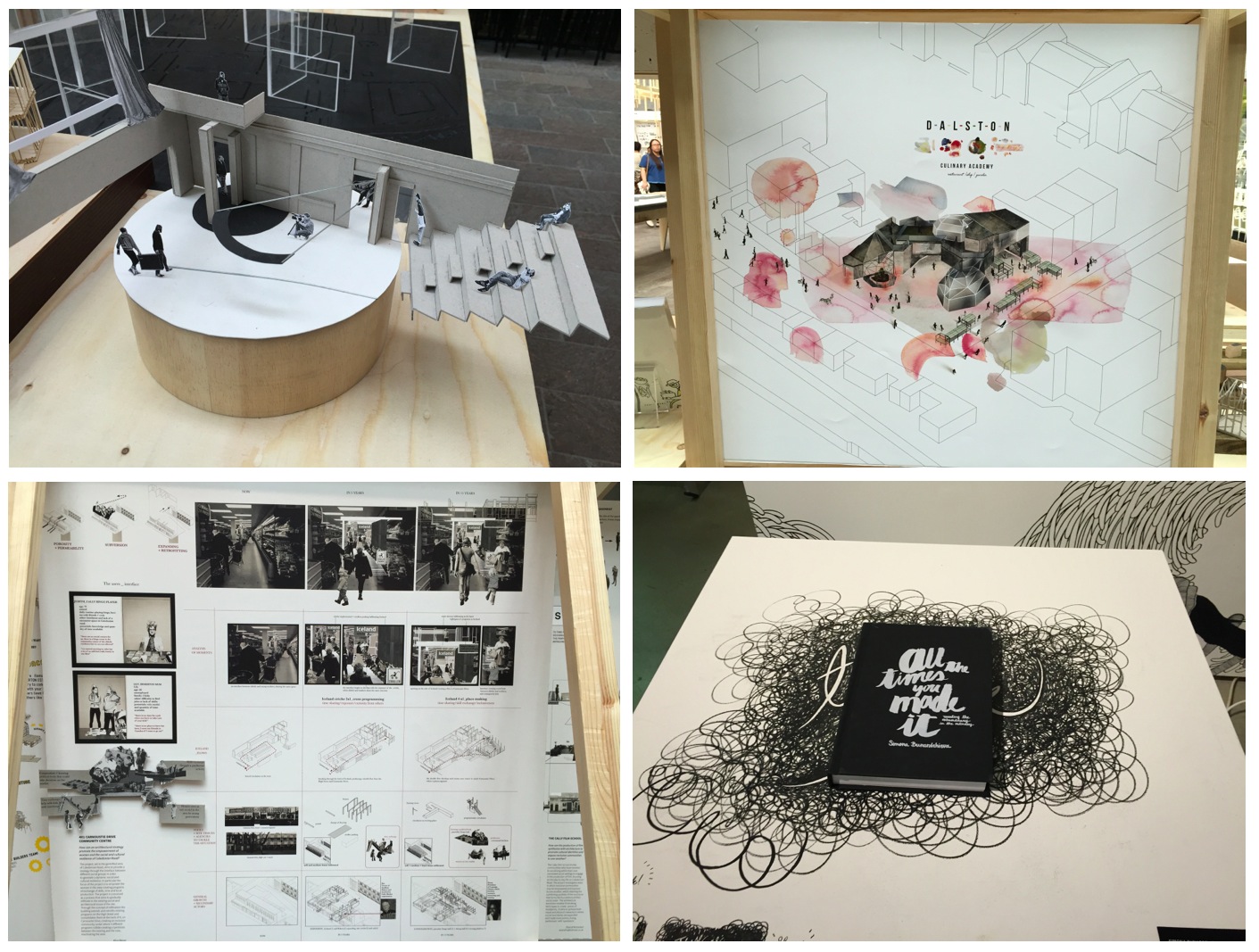
The calibre of work exhibited was exceptionally high.

But what struck me most was just how polished their presentation skills are. They’ll have no trouble sidestepping the commercial world of powerpoint and pdfs.

JPEG.002

I particularly like that each project has a process book to map the journey of creation. That’s something we should all do more often.

JPEG.001

Here are some of my favourites projects from the day:

In the narrative environments show, the two pieces that jumped out to me were both dining experiences. The first, by Heng Yi Lin, was a silent dining experience that utilized objects on the table to prompt different tasks between a couple – all designed to help the pair better express their emotions without verbal communication.

IMG_3135

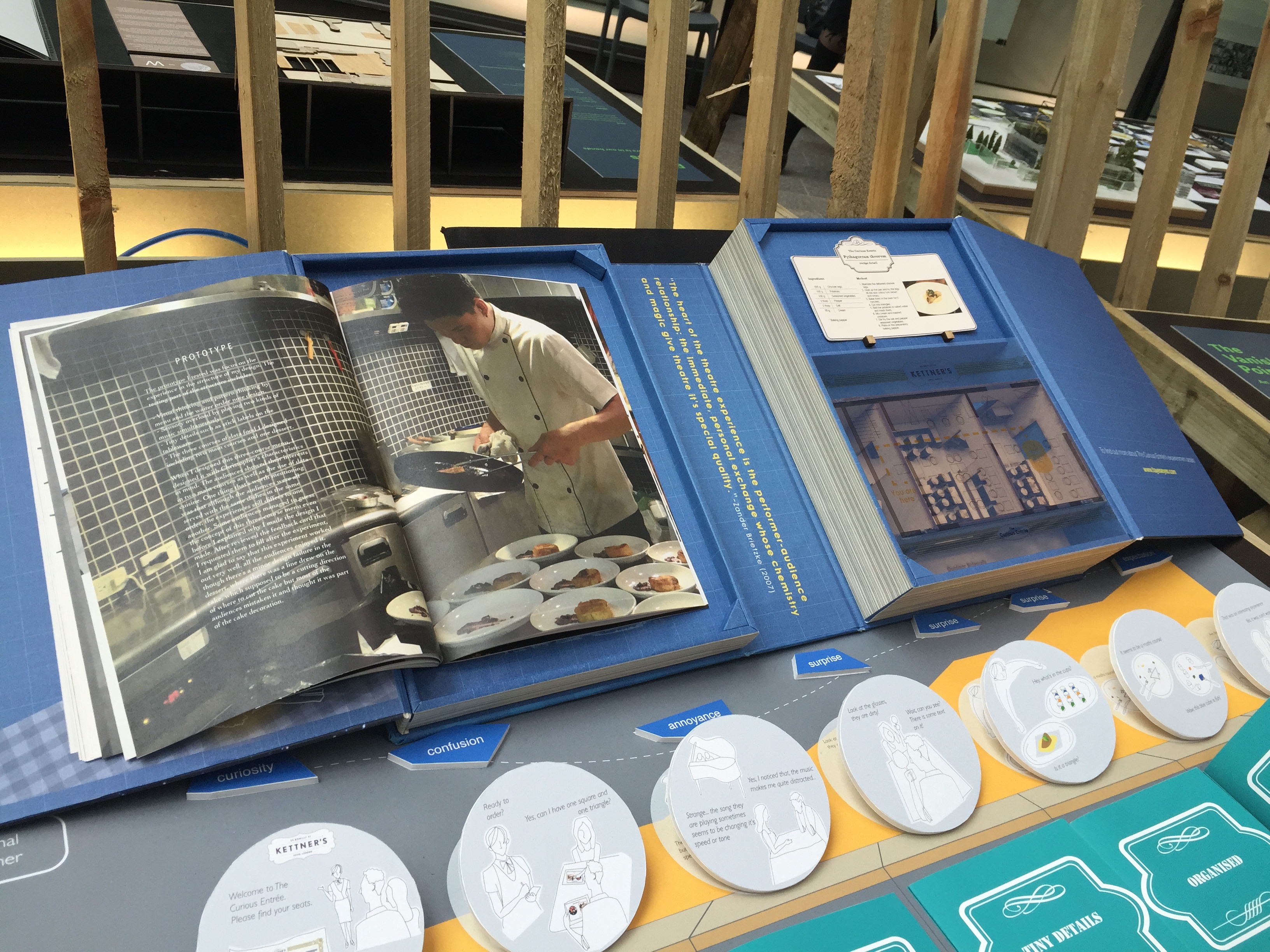
The other, called ‘The Curious Entrée’ (by Ching-Fang Chien), invited guests to experience a pre-theatre narrative dining experience that helped the audience gain a better understanding of the play they were about to see. This extension of one experience into another is really interesting – and I’m sure we’ll see a lot more of it in the future. Cinema-restaurants (with food inspired by the film) will be the next big thing in London, mark my words.

IMG_3139

The Communications Arts degree section was packed, and fairly disappointing. Two projects jumped out at me.

The first, Emil Kozole’s ‘Project Seen’, introduced a typeface designed to prompt us to reevaluate just how often NSA and GCHQ intercept and filter our communications. Every time a trigger word is written (e.g secret, or punk) the typeface crosses the word out.

IMG_3188

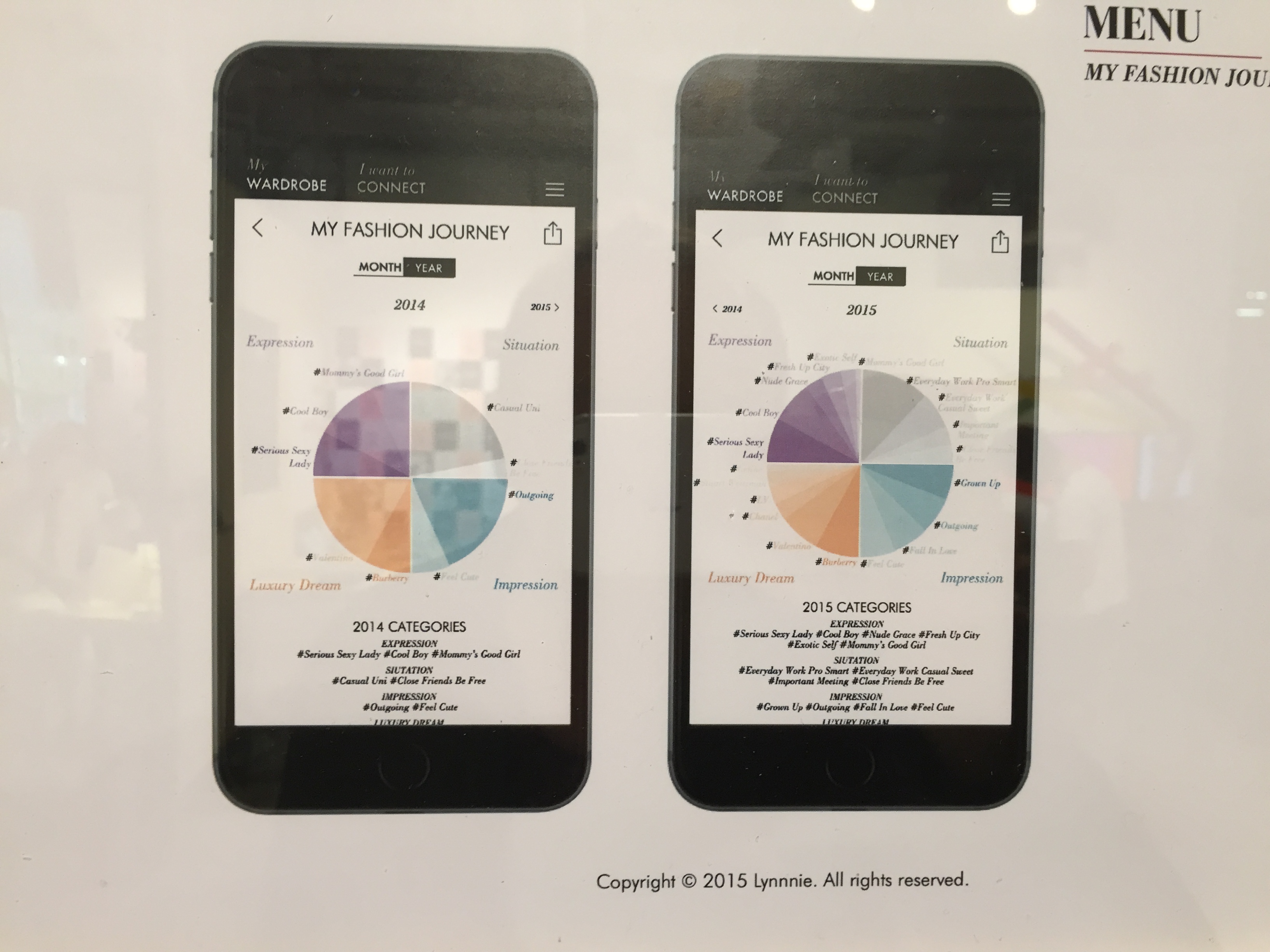
The other was a project by Lynn Nie, called ‘My Fashion Style’ that aggregates and analyses a person’s wardrobe, and helps them make sensible and informed decisions when shopping. It got me thinking about the role of personal data aggregation (with apps like Delicious Library) and how we’re only scratching the surface of our own unique data.

IMG_3215

In the graphic design show, I loved Violette Chatiliez’ walking tour guides, written from the perspective of different authors. In her own words, her aim is to ‘encourage people to interact with their urban environment differently by suggesting alternative ways to move through the streets.’

IMG_3259

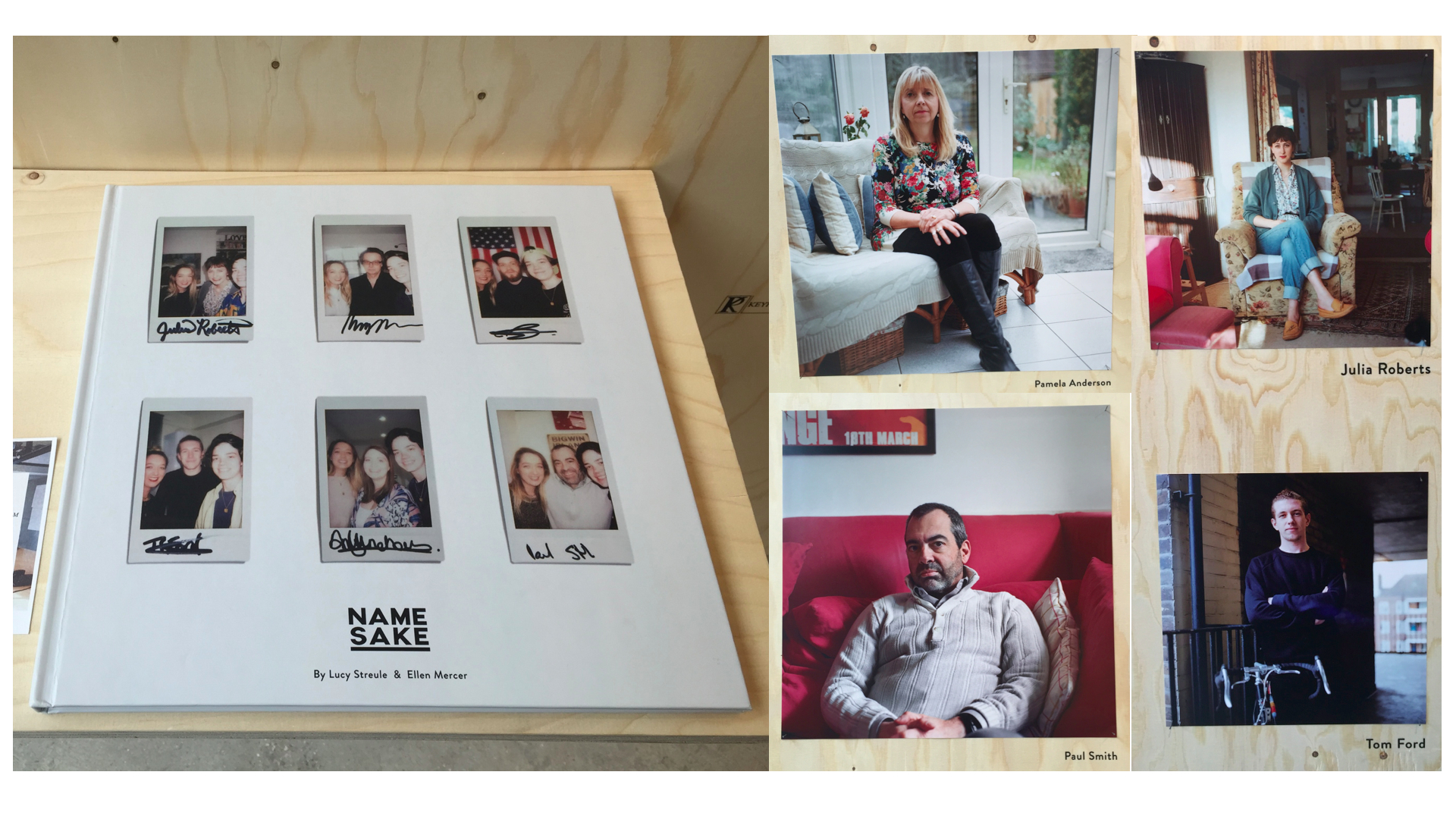
Lucy Streule and Ellen Mercer’s NAMESAKE book struck me as a great idea – photographing people who share their names with celebrities.

Jpeg3.003

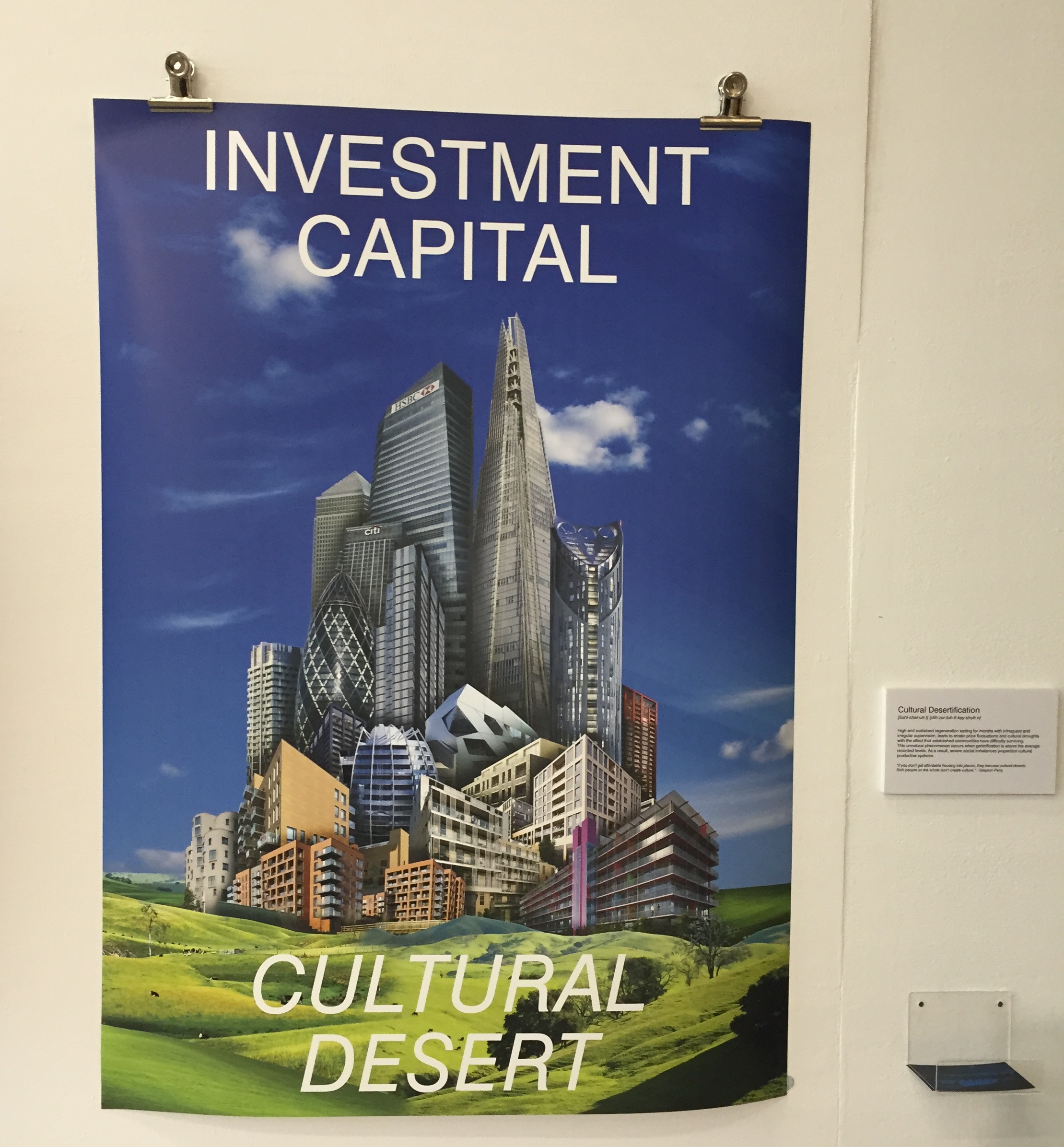
This piece is called ‘Cultural Desertification’. That particular set of words will shortly be coming to a presentation near you…

IMG_3351

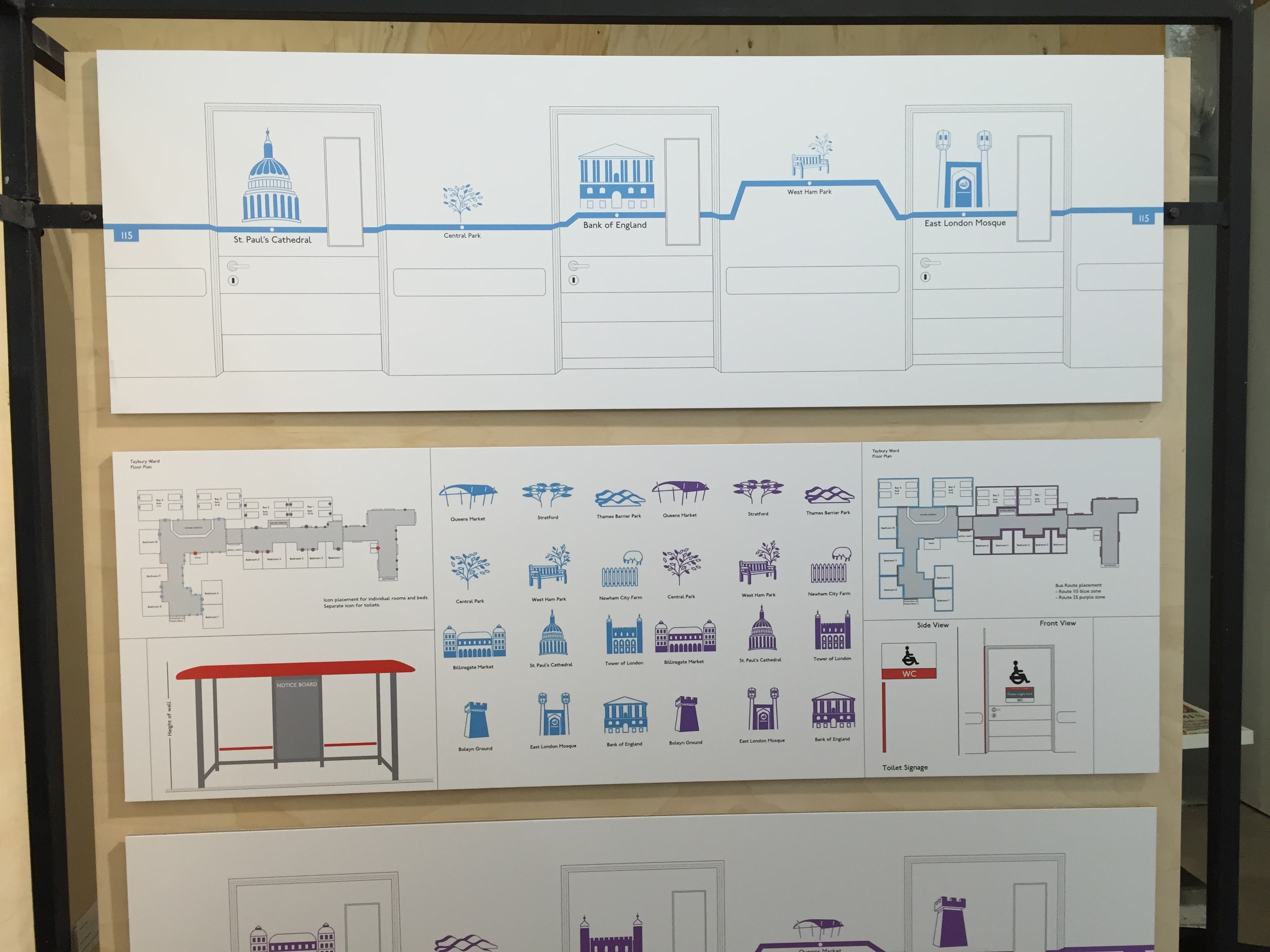
This idea by Jessica Hook is probably my favourite of the day. It’s simple, it’s timeless and best of all, it’s actually going live in the dementia ward at Newham hospital. The design builds on actual bus routes from Newham to London, mapping the sites across the ward. It encourages patients to follow the routes, remember familiar conversations and spark conversation. Genuinely inspired.

IMG_3372

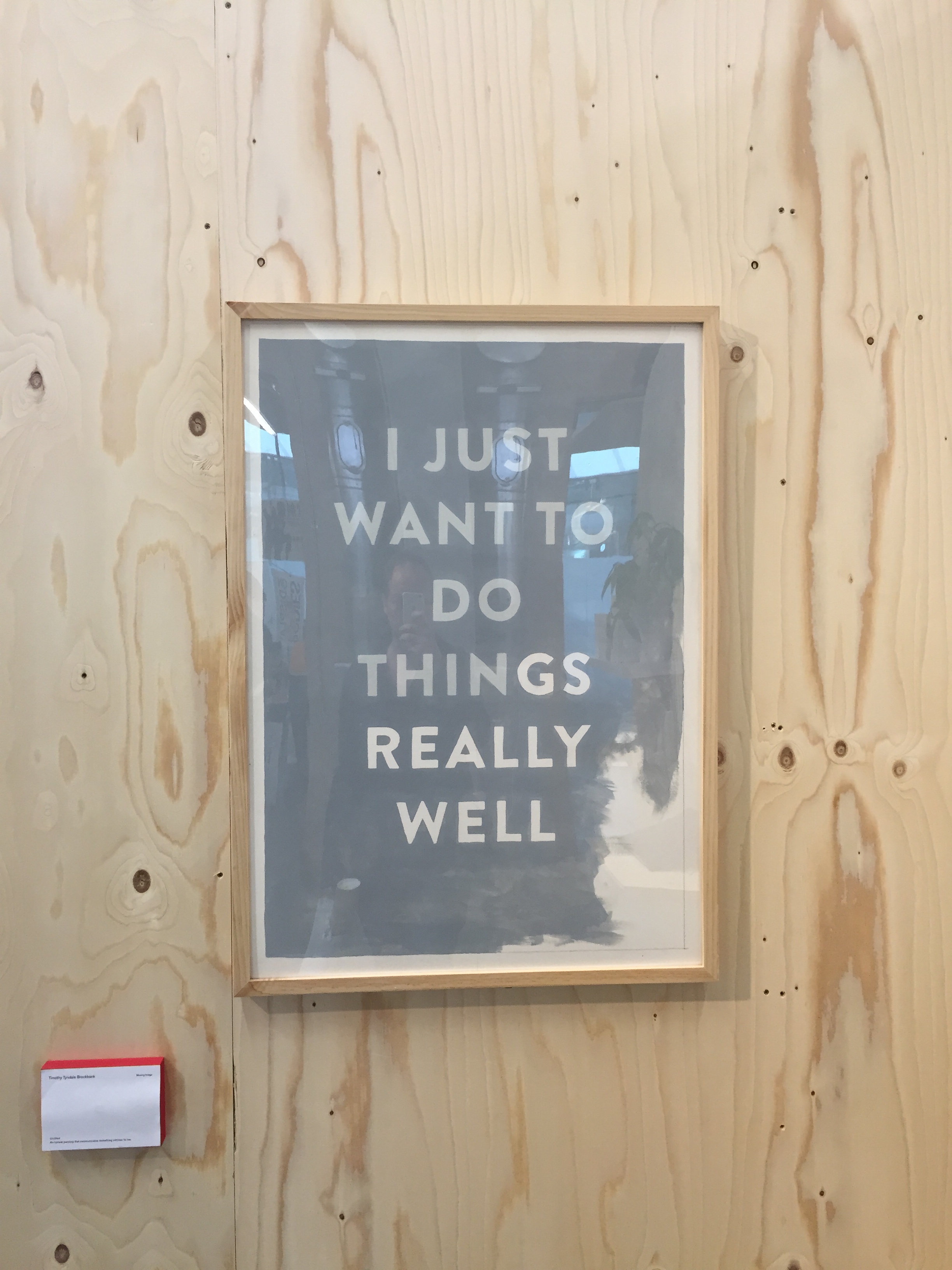
Finally, this untitled painting from Timothy Tyndale Brockbank was created to communicate something honest and intrinsic within the artist. I like it. And judging by twitter, so do a lot of other people too.

IMG_3396

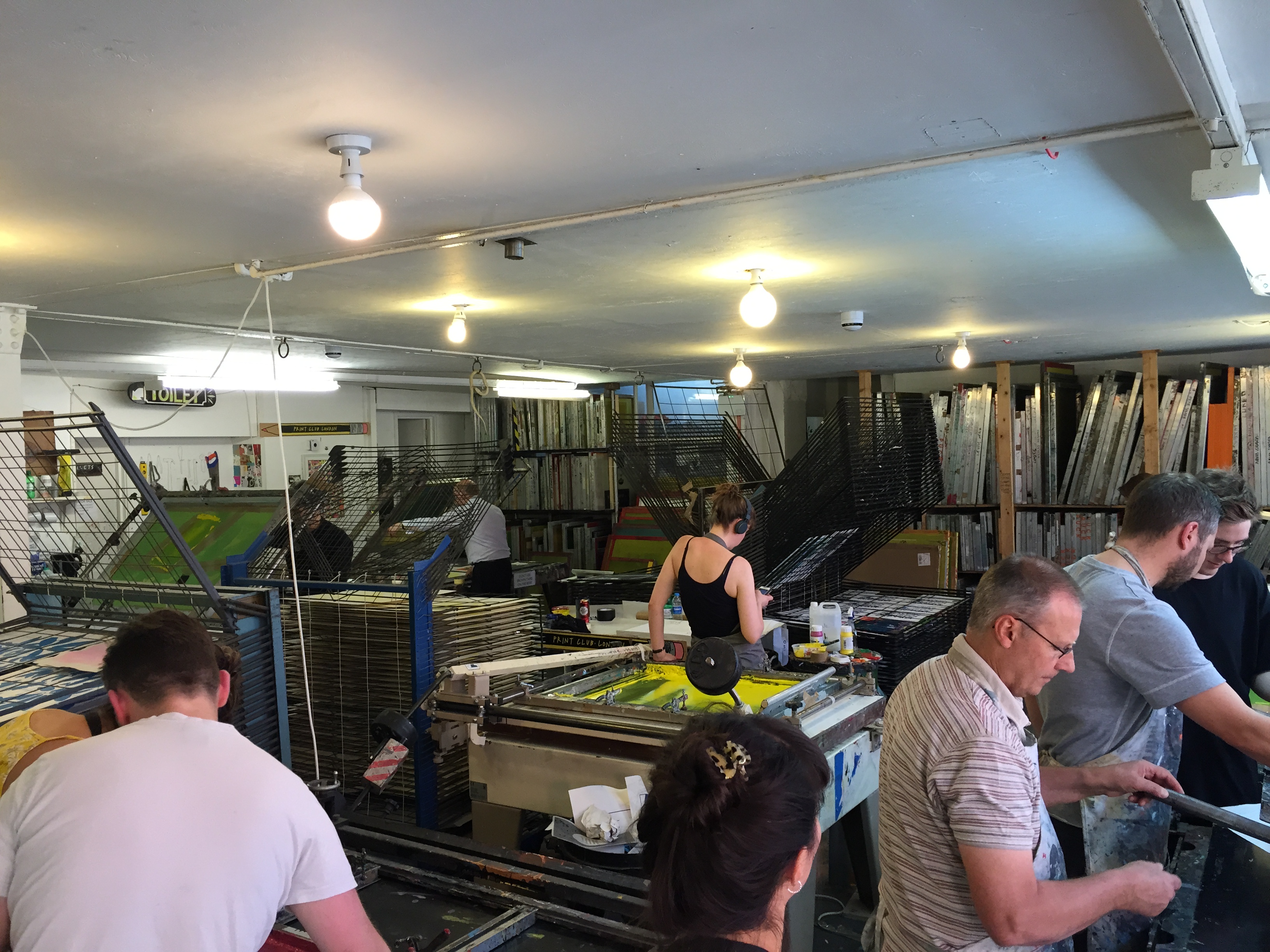
One of the gifts Wist bought me for my birthday this year was a workshop at Print Club London.

IMG_3129

It’s situated near the Rio in Dalston, on a beautiful side road next to MC Motors.
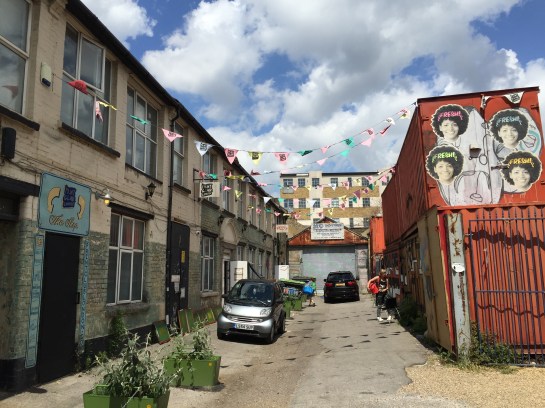
IMG_3103

The Print Club is a great shared workspace for artists and designers – sign up and you get access to all of their screenprinting equipment.

IMG_3120

As I’d been in Cannes the week before, I hadn’t really prepped properly for creating something, so I fumbled together a text print based on Debussy’s quote ‘Music is the space between the notes’ the night before the workshop. Andy Bird would not be impressed with the kerning… Here’s the finished thing.
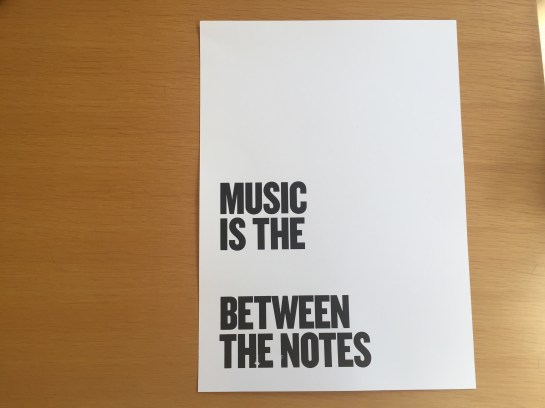
IMG_3506

The course tutors are excellent – Barry led the day with Elliot and Jim assisting. If you’ve always wanted to try screenprinting, it’s well worth it. Just go – you’ll love it.

Below are the notes I took during the workshop, tidied up a little for memory’s sake.

SCREENPRINTING NOTES 27.06.15

#1. Prepping your image

To create a crisp image when using photo-sensitive emulsion to screenprint, we need to create a ‘positive’, an image made up of only pure black or pure white. Most images have shades of grey (even some that appear to be black and white.) So we have to convert them. To do that, we first need to greyscale the image in photoshop (image > mode > greyscale) and then bitmap it (image > mode > bitmap).

For blockier images (e.g cartoons or text) we can bitmap using ‘50% threshold’. This pushes anything below the halfway point of the light spectrum to pure black, and anything above the halfway point on the light spectrum to pure white.

For photorealistic images, we need to use halftone printing. Halftone printing allows us to show shades, by using different sized dots. Once you’ve clicked on bitmap you need to use the halftone option, taking care to match your input with your output resolution. Then just choose your shape and play around. Round is the most common shape (used in pop art and comic books.) But there are many others, and you can even choose your own custom shape.

If you choose a higher frequency, you’ll get more detail in the print. A lower frequency, you’ll get fewer (but bigger) shapes in the print. As we were working with a 90 threadcount screenprint, Elliot told us we shouldn’t go any higher in frequency than 40, as the detail won’t get picked up by the screen. The halftone angle should be a number that doesn’t end in 0 or 5 (or it will play tricks on your eyes with the Moire Effect.)

As your positive can only be made from 100% black or 100% white, if you want to print multiple colours, you need to create multiple positives, that each go onto a separate screen. So if you were printing a Captain America comic, you’d need to create a red layer, a blue layer and a black layer. Each layer takes about 4-5 hours, so you can end up with a ton of work if you choose more than 4 layers.

The hardest bit when printing more than one colour is registration – getting each layer to line up perfectly with each other. Because you can press slightly harder on the left than the right, or the screen falls in slightly different place etc.

#2. Prepping your screen

Photo-sensitive emulsion is used on the screen to create custom stencils that ink is pushed through. It hardens when exposed to light, so should only ever be applied in a dark room.

The coverage of the emulsion on the screen needs to be consistent, without any patches. If there’s a bit too much emulsion on there, it doesn’t matter too much (although it will take forever to dry…) It’s an issue if there’s no emulsion on there.

To cover your screen, you need to fill the scraper with emulsion. Place the scraper’s edge against the bottom of your screen and slowly tilt until the emulsion makes contact along the length of the screen. Use the sharp side of the scraper if you’re printing on paper, the rounder end if you’re printing on fabric. Then in one move, pull the scraper up to the top.

Tilt the scraper back to horizontal, and wiggle it to remove any excess on the canvas. A little piece of cardboard should be used along the edges to remove any excess emulsion.

The screen should then be placed in the dark dryer rack, until the emulsion is dry.

#3. Printing your image

Using the photosensitive properties of the emulsion allows us to use light to transfer our positive onto the screen. To do this, our positive needs to act as a stencil (for light). Ordinary B&W printing works for this, onto either tracing paper or acetate. Both have their benefits: Tracing paper is much cheaper can rip easily and falls apart. Acetate is much stronger and is wipe clean, but it’s about 10 times more expensive. You can print your stencils at home on laserjet printers. Inkjet printers don’t work as they give incorrect coverage on the sheet. Or you can simply draw onto tracing paper or acetate with a black marker or a chinograph pencil.

#4. Checking your image

When our image is printed onto acetate or tracing paper, you’ll often get inconsistent printing. Any black dots that have come out that shouldn’t be there, you can cut them out with a scalpel. Any bits that should have printed out but haven’t (e.g speckles on heavy blacks) then you can colour them in with a hard black marker.

#5. Exposing your screen

Once your screen has dried, the next job is to print your image onto it using the Exposure Unit. It’s basically a sunbed, with a rubber canvas on the top (to save your eyes…)

After making sure the exposure glass is clean (glasscleaner and sponge on the side if you need it…), you should lay down your acetate artwork face up (so if it’s text, you should be able to read it.)

The screen should then be placed on top of the artwork (canvas face down first rather than frame first.) It doesn’t need to be exactly straight, as you’ll need to register it when printing anyway.

A little bit of rubber wire is placed on top of the frame edge, to allow air into the frame, ensuring vacuum pressure on the canvas.

42 units of light is good for the emulsion used at Print Club. Too much light, everything will harden on your screen and you won’t be able to print. Too little light, all of the emulsion will wash out and you’ll be back to where you started. The vacuum goes for 25 seconds before the light engages.

#6. Washing out your screen

Once that’s done, you need to wash your screen out. This washes away all the unhardened emulsion, leaving you with a stencil on your screen for pushing ink through. You do this by soaking the screen with a hose, then spraying it with the pressure washer. To avoid ripping your canvas, make sure you spray off of your screen first and then move onto it.

Then leave it out to dry and go to lunch…
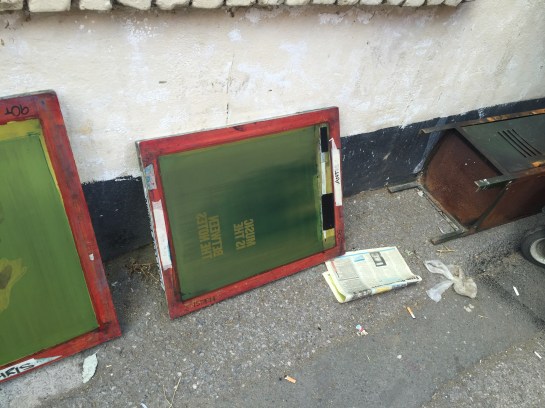
IMG_3108

#7. Fixing up your screen

Pinholes are little holes that appear in your screen, where emulsion has flicked away where it shouldn’t. To fix this, tape up the holes on the canvas side of your screen. It’s also a good idea to tape up the outside edges of your canvas (on the canvas side of your screen) as ink can sometimes get through here.

#8. Registering your screen

To register your print, you need to stick it onto a piece of paper (if you’re printing A4, A4…) in the position you want it to sit. Attach long cardboard arms to the paper and place under the screen. Then use the arms to move the paper around until it lines up with when your screen is. To make sure it’s exactly right, press down on your screen, as this can sometimes effect the accuracy of your registration. Once the paper is in the right place, put registration markers on the base and side of your paper. This will allow you to slot another piece of paper in easily, without having to measure it all again.

#9. Flooding your screen

Lift the screen up and flood it with ink. This involves putting your coloured ink at the base of the frame side of your screen and pushing it down the screen with the squeedgee edge closest to you.
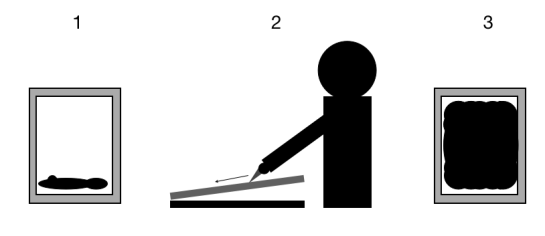
Screen Shot 2015-06-29 at 16.17.00

You can beautiful print gradient blends by placing different colour inks along the base, and flooding the screen several times to blend the ink.

#10. Screenprinting

Lift the screen and put your paper underneath on the registration markers. (Never move onto your good paper before you’ve tested it out on 5 or so scrap pieces.)

Lower your screen and drag your squeedgee towards you, back down the screen at a 45% angle, applying significant pressure.

Screen Shot 2015-06-29 at 16.18.54

Lift the screen slightly, and flood the screen again so it doesn’t dry out. Then remove your new screenprint and put it on a rack to dry.

Load with paper and go again.

Once dry you’ve got a screenprint!

#11. Stripping your screen

To strip your screens once you’ve finished, take all the tape off the screen and spray it down (on both sides) with the methlated spirit gun. Then scrub it with a brush until you can see the emulsion breaking down (it will go quite soapy.) From there, spray it down with the pressure hose – and your screen is good as new and ready for the next project…
So I’ve finished the 25 series. Whiskies was a winner, as was comedy gigs. I didn’t really commit properly to 25 breakfasts from around the world – other than the few Wist sorted out for me (Akuri at Dishoom, Pancakes bacon and grits at Jackson & Rye both top of the list) – so I’m going to scratch that challenge from history.

Here’s the finished lists.

25 Comedy Gigs:

  1. Stewart Lee @ The Soho Theatre, Work-in-progress show
  2. Steve Richards @ The Park Theatre, Rock & Roll Politics
  3. Adam Buxton @ Kings Place, Work-in-progress show
  4. Tim Key @ Union Chapel, Invisible Dot
  5. Josie Long @ Union Chapel, Invisible Dot
  6. Joshua Ross @ Leicester Square Theatre, New Comedian of the Year
  7. Mark Thomas @ Tricycle Theatre, Cuckooed
  8. Comedy Store Players @ Comedy Store
  9. Tim Key @ Invisible Dot KX, Father Slutmus
  10. Stewart Lee @ The Bloomsbury Theatre, Robin Ince’ Christmas Ghosts
  11. Josie Long @ The Bloomsbury Theatre, Robin Ince’ Christmas Ghosts
  12. Festival of the Spoken Nerd @ The Bloomsbury Theatre, Full Frontal Nerdity
  13. Alan Davies @ Comedy Store, Stand up for Stand up
  14. Sean Lock @ Comedy Store, Stand up for Stand up
  15. Joe Wilkinson @ Bloomsbury Theatre, Joe Wilkinson & Friends
  16. Rhys James @ The Pleasance, Work-in-progress show
  17. Lloyd Griffith @ The Pleasance, Work-in-progress show
  18. Stewart Lee @ Cheltenham Town Hall, Room with a Stew
  19. Mark Thomas @ Finchley Arts Centre, Cuckooed
  20. Ellie Taylor @ The Good Ship
  21. Andrew Maxwell @ The Good Ship
  22. Ninia Benjamin @ The Bedford, Banana Cabaret
  23. John Moloney @ The Bedford, Banana Cabaret
  24. Tom Wrigglesworth @ Udderbelly, Best of the Comedy Store
  25. Sean Collins @ Udderbelly, Best of the Comedy Store

25 Whiskies:

  1. Yamazaki 12yo, Japan, Barbecoa
  2. Nikka From The Barrel, Japan, L’Enclume
  3. Glengoyne 12yo, Scotland, L’Enclume
  4. Gentleman Jack, USA, BA Lounge T5
  5. Compass Box Hedonism, Scotland, Flat N1
  6. FEW Rye Whiskey, USA, Flat N1
  7. Caskstrength & Carry On Cutty Sark, Scotland, Flat N1
  8. Nikka Yoichi 20yo, Japan, Flat N1
  9. Goldlys 12yo Manzanilla Finish (1st release), Belgium, Flat N1
  10. Glengoyne, 10yo, Scotland, John Gordons
  11. K5 Himalayan, Bhutan, Virgin Clubhouse T3
  12. BenRiach 13yo 1999 Virgin American Oak Finish, Scotland, Flat N1
  13. Rebel Yell Kentucky Bourbon, USA, Flat N1
  14. Tincup American Whiskey, USA, Flat N1
  15. Caol Ila, Scotland, Hotel Du Vin Cambridge
  16. The Peatmonster, Scotland, Hotel Du Vin Cambridge
  17. Reference Series I, Scotland, Skiber An Hyli
  18. Dalwhinnie 1996 Oloroso finish Distillers Edition, Scotland, Skiber An Hyli
  19. Togouchi 12 Year Old, Japan, Flat N1
  20. Glenburgie – Batch 1 That Boutique-y Whisky Company, Scotland, Flat N1
  21. Breckenridge Bourbon, USA, Flat N1
  22. High West Campfire Whiskey, USA, Flat N1
  23. Old Pulteney 17 Year Old, Scotland, Flat N1
  24. Strathmill 12 Year Old Flora and Fauna, Scotland, Flat N1
  25. Lagavulin 16 Year Old, Scotland, Goodmans Mayfair

I managed to avoid Irish whiskey entirely – not by choice, but just through distribution. I’d wanted to try Penderyn whisky too – but didn’t get a chance over the year. So will have to pick it up at some point in the future.

Screen Shot 2015-06-20 at 17.50.51

Like last year, I’ve decided to put together 25 photos that sum up my year.

They’re at this link here

25 Photos.001

Challenge 26 coming up soon.

Haven’t had much time to write here recently – but here’s an update on how I’m doing with the Stand Up Comedy challenge.

I forgot to take a photo for number 12 – Festival of the Spoken Nerd at The Bloomsbury Theatre, Full Frontal Nerdity.

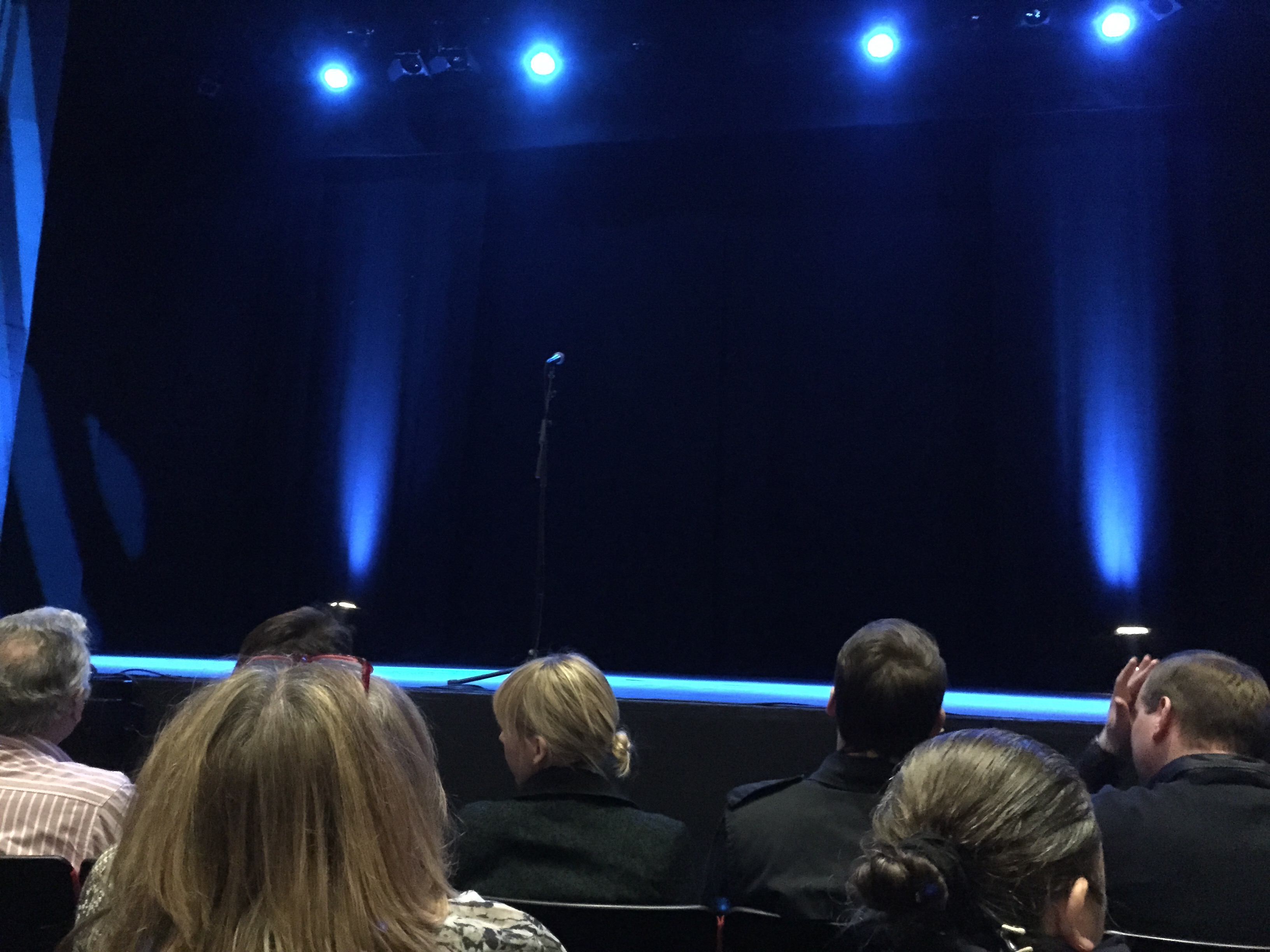
So photos start with 13. Alan Davies and 14. Sean Lock at the Comedy Store, for Stand up for Stand Up

IMG_7938

15. was Joe Wilkinson at The Bloomsbury Theatre.

IMG_7952

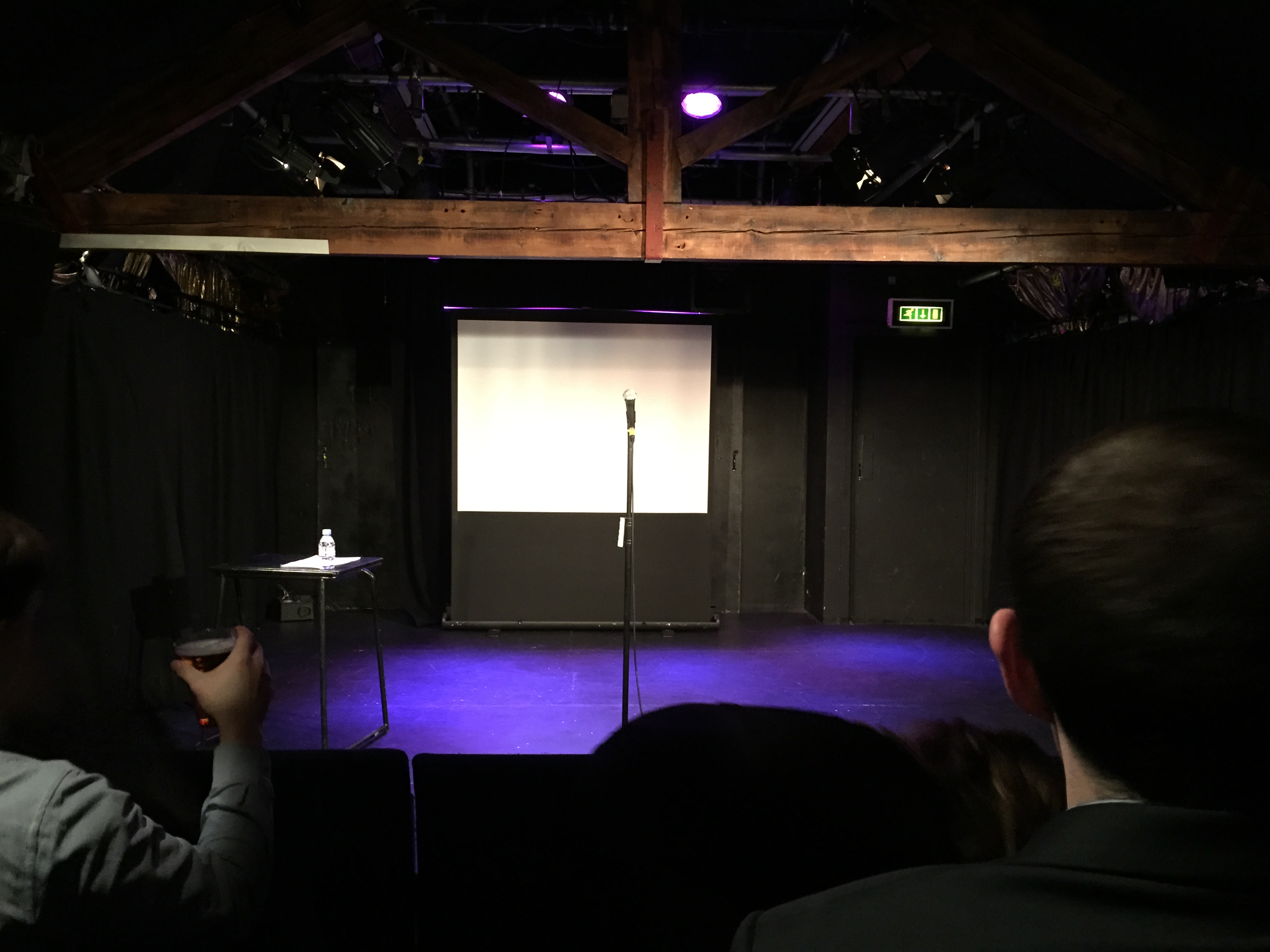
16. and 17. was Rhys James and Lloyd Griffith at The Pleasance Theatre.

IMG_7957

18. Stewart Lee (again.. oops!) at Cheltenham Town Hall.

IMG_9505

I also duplicated Mark Thomas – his show was so good I had to see it twice.

IMG_9535

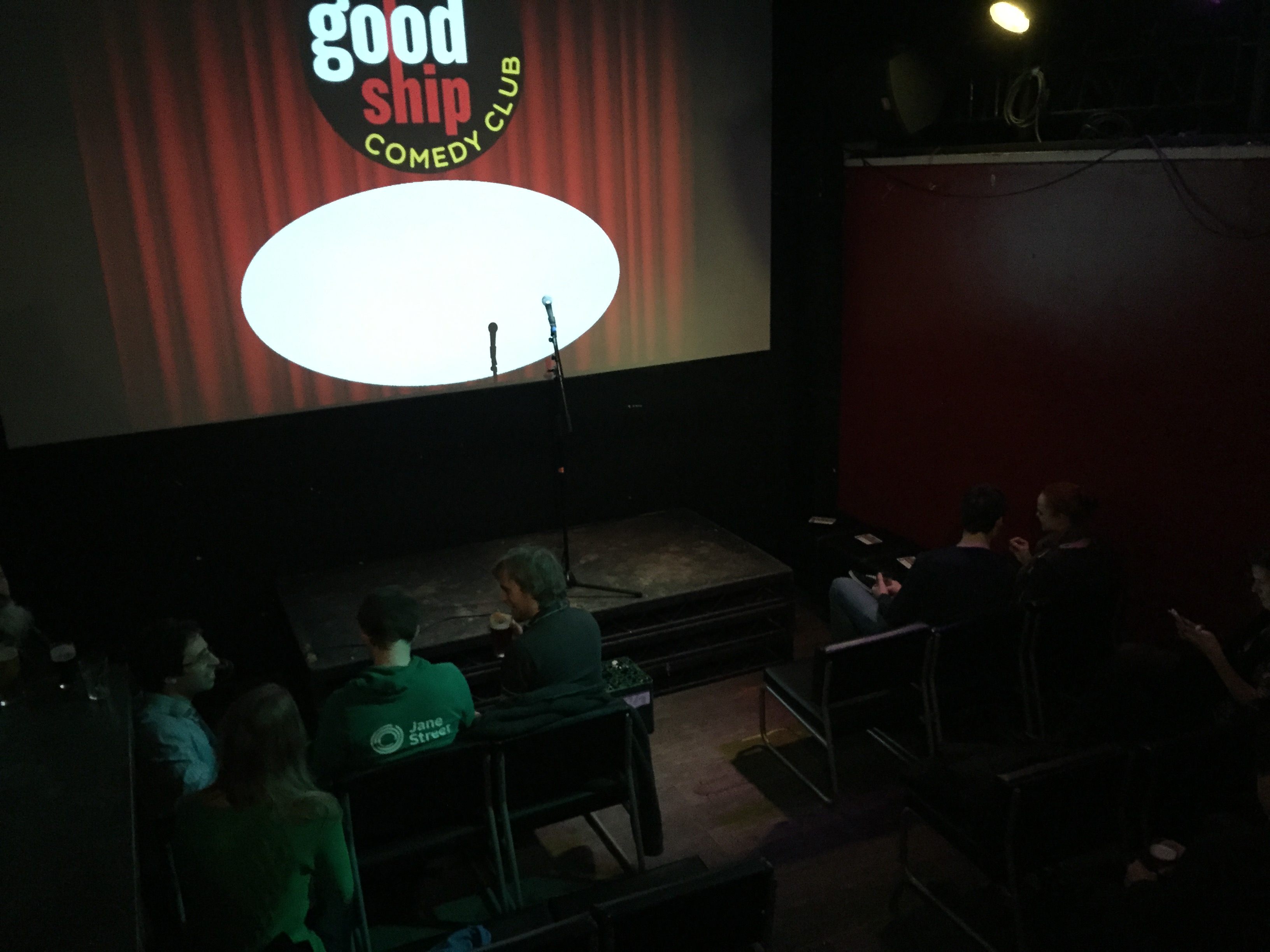
The Good Ship was a great week-day comedy show we found – they have some brilliant acts on testing their material. I saw Andrew Maxwell and Ellie Taylor.

IMG_9549

And to bring the blog completely up to date – I saw Ninia Benjamin and John Moloney at The Banana Cabaret night at The Bedford.

IMG_9822


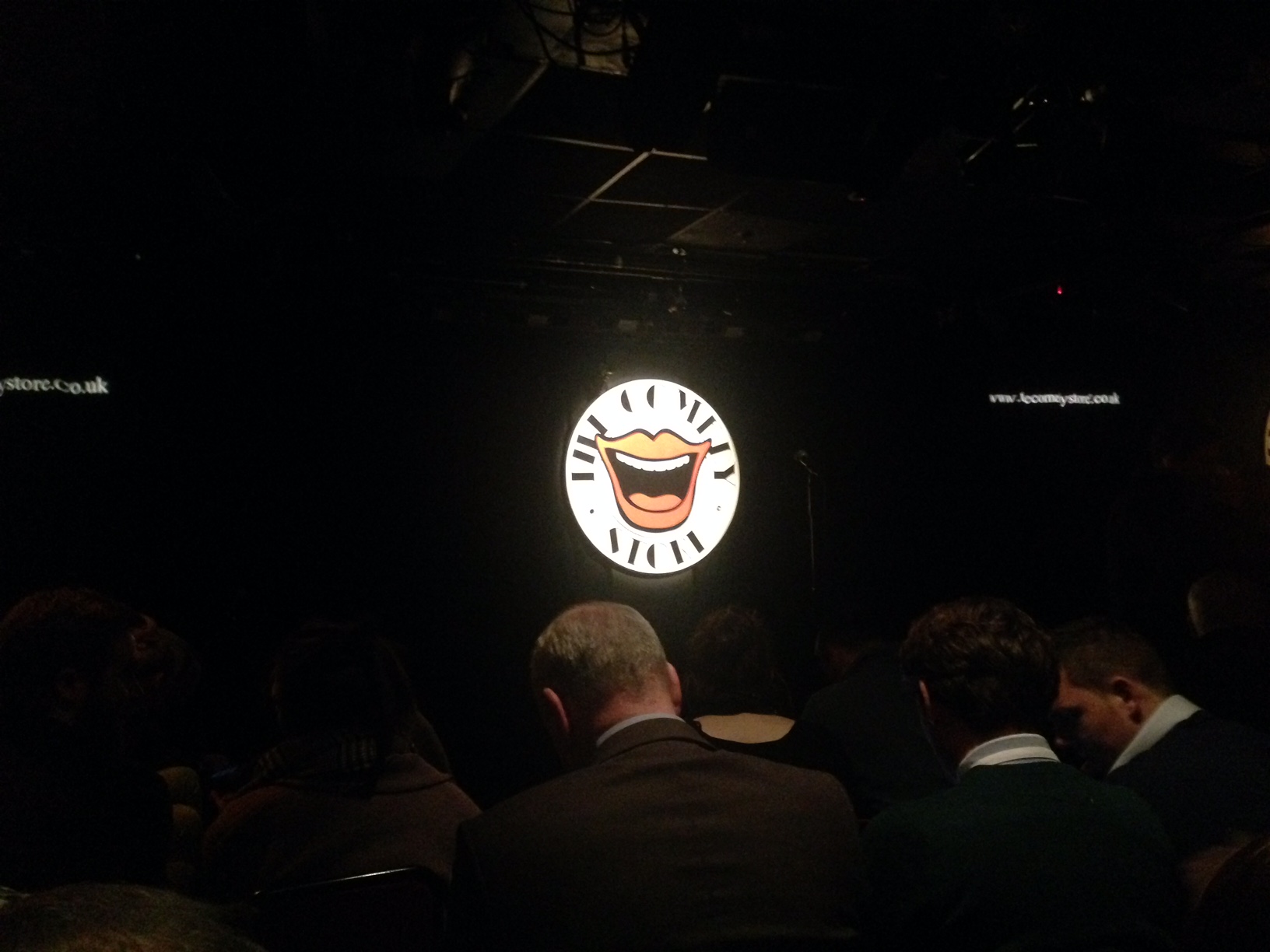
I’m still trying to take shots of the venues/stages pre-gig. I’ve been late to one or two, and the act’s been on stage already. But, in all, I don’t think I’m doing too badly on this challenge.

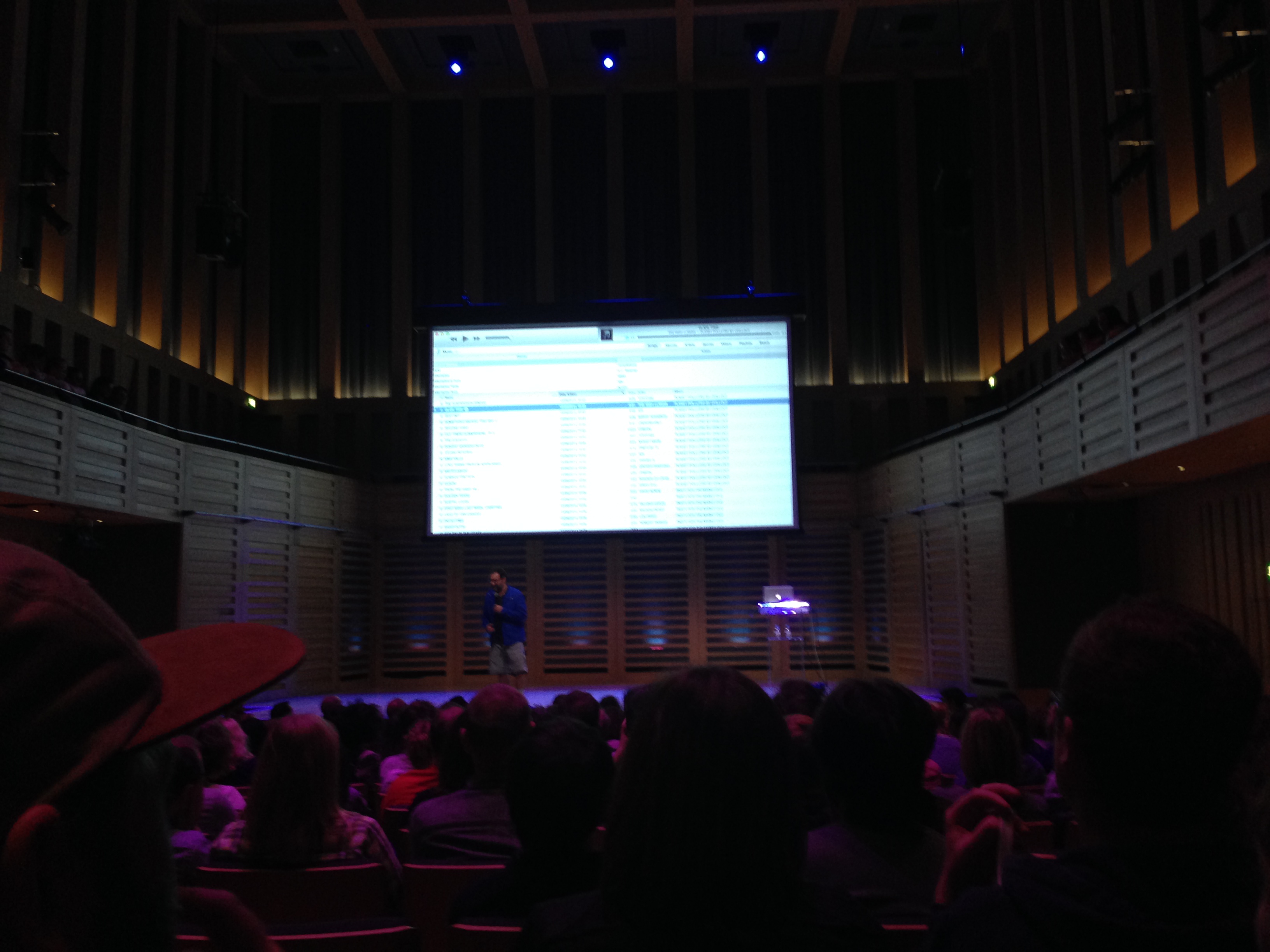
No3. Adam Buxton @ Kings Place, Work-in-progress show

Adam Buxton

No4 & No5. Tim Key & Josie Long @ Union Chapel, Invisible Dot

Union Chapel

No6. Joshua Ross @ Leicester Square Theatre, New Comedian of the Year. *I could have finished the challenge with this night alone, as we saw about 20 comedians in total – but I’ve decided just to count the champion.

New Comedian

No7. Mark Thomas @ Tricycle Theatre, Cuckooed

Mark Thomas

No8. Comedy Store Players @ Comedy Store

Comedy Store

No9. Tim Key @ Invisible Dot KX, Father Slutmus

Tim Key Father Slutmus

No10 & No11. Stewart Lee & Josie Long @ The Bloomsbury Theatre, Robin Ince’ Christmas Ghosts

Bloomsbury

Headed down to Playful 2014 a few weeks ago. Here are things that stuck with me:

IMG_6187

Jemima Kiss (Head of Technology @ The Guardian) compered the day. She quoted Alan Rusbridger early on, when she said “Maybe we don’t need to be profitable. Maybe we just need to be sustainable.” I liked that.

First up – Dan and George from Aardman. They talked to us about hidden easter eggs in gaming.

IMG_6155

Was interesting to hear that the first easter-egg was invented back in 1978 by Warren Robinett, who rebelled against his employer’s (Atari) policy of not giving credit to game designers. He placed a hidden object in the game that would allow players to reach a screen that displayed the words “Created by Warren Robinett.” Easter ego, more like.The Aardman guys talked about how including easter eggs is a way of ensuring that fun transcends into the game. By doing it, you bake in fun.

Rachel Coldicott was up next, talking about cats and curiousity. She spent quite a while trying to work out whether she could predict the weather from changes in her cat’s daily routine. It didn’t work. Funny quote though: “I track, therefore I am.” She’s made a habit of tracking things that don’t really matter, and has most recently started noting down what she’s listening to at specific points on her commute. Fun talk.

Henry Cooke spoke next. I loved his talk. He talked about radio amateurs, that have been picking up seemingly random sequences of numbers on unscrambled shortwave radio frequencies. It’s suspected that these radio stations are used by governments to communicate with their intelligence officers around the globe. Using one-time pads (a pretty much unbreakable crypo-system developed at Bletchley Park), the numbers allow a message to be communicated safely and securely. These radio stations have been tracked for years, but recently have began switching off. And it’s believed that twitter is the newest channel they’re being communicated over. So next time you see a random sequence of numbers in a tweet – don’t automatically assume it’s a twitter bot. It might well be governments conversing with a spy out in the field.

After Henry’s brilliant talk, Annie Machon spoke next. Annie is an ex spy, who worked for MI5 between 1990 and 1996. There she met her partner David Schaler – who was a precursor to modern day whistleblowers like Edward Snowden. She shared some fantastic insights about MI5, such as the enhanced vetting procedure that starts in a three hour interview in an unmarked building off Tottenham Court Road, and goes on to a tree-diagram of surveillance and interrogation of all of your close friends and family. Despite the supposed glamour of being a spy (jumping in and out of safe houses throughout London, saving lives and working undercover), Annie talked of the lack of privacy and unshakable paranoia that she’s felt since she left the service. Amazing talk.

IMG_6159

James Brown and brothers talked about their physics-based, multiplayer game ‘Gang Beasts.’ I’m not totally up on game development, so struggled to understand a lot of this talk – but funny to hear that despite trying to create a cooperative game, they ended up creating a very violent, competitive game instead. Like brotherhood I suppose…

Steve Lloyd’s talk was really interesting. He talked about our hidden relationship with objects, and how when wearable technology is adopted fully, products will have an online space intrinsically attached to their physical being. Simply by scanning a bar code, you’ll get access to reviews, messages and much more. That space will soon become a battleground – where brands and brand managers fight to remove user generated reviews, and instead put marketing-approved advertising. Get ready for some interesting times.

IMG_6163

Next up we had a couple of interactive game designers. Subalekha Udayasankar talked about a game that she’d developed with friends to draw attention to the invisible drones that have entered our lives. And Ida Marie Toft showed us her interactive piece ‘Lovebirds’ live, which was certainly interesting (it involved venetian bird masks with broken circuits within the beaks, that light up when beaks are rubbed together.)

Dave Birch spoke after Lovebirds. He’s a fantastic expert when it comes to all things fintech, and was a delightful financial cynic. He talked about his proposal for a cashless society, which would remove the currency channels currently used by criminals (who don’t contribute any tax). Instead, he proposed two new systems. One with light coins, that have traditional tax payment systems. And every payment is made and published on an open and transparent light block chain. And then a dark coin system. Where anybody that wants anonymity for the purchase can do so, but at a price. And instead have to pay an extra 20% tax in exchange for going unnamed. Great talk, and hugely entertaining speaker.

IMG_6181

Alice O’Connor spoke about the collections of readme.txt’s that she has collected over the years. Some were beautiful, some were funny, some were tragic.

Dave Murray-Rust is a scientist and artist that focuses on hidden interactions in our fabricated lives. He took us through some of his recent projects. My favourite were the cybernetic flowers, that displayed maslovian behaviours. He also took us through the options we have to ensure some of our lives still remain hidden – from Merel Brugman (who created fake facebook holiday snaps in photoshop) to changing location data to varying degrees. Fun talk to finish the day.

IMG_6189

Looking forward to next year, Playful. Thanks for 2014.


Popped along to the APG Big Thinking event yesterday.

IMG_5792

The schedule was full of heavyweight strategists and thinkers.

First up – Guy Murphy, talking about Global strategy. He looked back at Theodore Levitt’s theory of globalisation – a theory that assumed consumer taste would homogenise, as companies used economies-of-scale to offer cheaper uniform products around the world. A logical theory, but one that hasn’t quite come to fruition. Instead, our love for variation over uniformity has won out. Technology and economies of scale didn’t create a global consumer, but it did create a global culture. The best bit though, is that that global culture didn’t push out local culture. Instead it’s sort of overlaid onto local variation. Leaving us with a different approach to marketing – ‘glocal’. An embarrassing word – that perhaps falls between two stools. But at least it uses local culture as a creative multiplier, rather than ignoring differences around the world.

Bridget Angear was up next. She explained her recent attempt to prove a link between strategy and effectiveness. Working under the assumption that great thinking (awarded by the APGs) leads to great work (lets ignore creative awards for now) which leads to great results (awarded with IPA effectiveness), she totted up the number of campaigns that had won at both APG and IPA in the last decade. From 35 Gold APG awards and 40 Gold IPA awards, only 5 campaigns claimed both. (The five were ‘Think – Road safety’, ‘Honda – Power of dreams’, ‘Sainsburys – Try something new today’, ‘Dove – Real beauty’ and the Home Office work.) Ignoring the cringe boast that AMV can claim to have created two of those five, Bridget made a strong argument to bake effectiveness in from the start of campaigns. She also mentioned that the IPA effectiveness judges dismissed over half of this years papers because they didn’t state their objectives properly!

Ben Malbon spoke about his experience agency side and Google side. Despite slide malfunctions, he was one of my favourite speakers of the day. When he started at Google, strategists were noticeably absent. It took him about 6 months to work out that strategy does exist at Google, but its not embodied by people called strategists. Just as creatives are the rockstars of the ad world (and planners are the unsung, unloved, underpaid roadies), tech companies glorify engineers and UX designers over product managers. But product managers are the mini-CEOs that decide whats made, how its made, for whom, how its launched, what happens at launch etc. Product manager – a boring title, for a fascinating job. They operate at the intersection of business, technology and UX, and have to be able to converse in all three, with fluency in at least one.

Ben talked a lot about Mintzbergs two classifications of strategy: deliberate and emergent. Deliberate is grand strategy, it’s stepping back and seeing the big picture. Emergent is much more agile, adaptive, iterative, and messier. Deliberate is hard. Emergent is even harder. The old view of planning is that it exists to give creatives an unfair advantage. Which is fine, but uses only ‘deliberate planning’. Ben argued that todays strategists should work throughout the project, rather than handing the baton over to creatives half way through. Quoting Noah Breier, we heard we should spend some of our time thinking about building systems and models. We can add value at this later stage of the project by adding constraint, by focusing and funnelling effort. By defining a system for the brand (be it ‘Small but tough’, ‘The Axe effect’, ‘Keep walking’, The man your man could smell like’ etc), we then don’t need to keep making new ones. Once defined, you can invest your time in an emergent strategic approach, finding things that can run on the system.

It’s a fundamental point – planners sometimes get themselves in trouble in this area. New ‘operating systems’ get rewarded much more than ‘software’ in agency environments. So planners try to reinvent the wheel, creating new grand strategies. Instead we should be thinking about what runs on the system, the emergent stuff.

Adam Morgan was his usual brilliant self. He talked us through a slim section of his new book ‘A beautiful constraint.’ He started by explaining that in the past, categories have structured around tradeoffs, poles of values… So you can be fast, or you can be fuel efficient. Healthy or quick. Good quality, or good price. Brand strategy involved choosing one of those poles, and then linking yourself to that pole through creativity. But new emergent businesses are challenging this traditional view and finding new positions straddling both poles. From Whatsapp (cross platform mobile comms for free), to Zara (latest fashion and low prices), from Chipotle (good value, fast food AND sustainable) to Aldi and Lidl (quality + price…) And that’s interesting because its creating a new set of consumers – unreasonable people. Or ‘Ubers children’ as Adam put it. The million dollar question for agencies is , how can we move our established steadystate clients into this pole-less era. Before someone comes in and gets there first.

IMG_5787

Sir Lawrence Freedman, author of ‘Strategy – A history’ and todays keynote speaker, was fantastic. His talk, called ‘From the war room to the board room’ revealed some fantastic quotes. He defines strategy as the art of creating power. He described strategy as a soap opera, not a three act opera. The curtain never comes down – its the evolution of a central idea through changing circumstances. On Sun Tzu, he shared a hilarious slide showing the sales explosion after Tony Soprano mentioned ‘The Art of War’. Sir Lawrence likes Sun Tzu’s text, but questioned its usefulness -it works until you meet someone who’s also read Sun Tzu. Then you’re stuck! He talked a little about famous autocrats and their consistent downfalls. He explained it thusly: when autocrats start out and rise up organisations, they have people around them who challenge them and hone their ideas. But once at the top, sycophants often creep in and surround them. They don’t receive the same challenges they once did, and their word is accepted as gospel – despite its lack of road tests and optimisation from challenging colleagues.

Russell Davies spoke after Sir Lawrence. He split his presentation into three bits: 1. Unsupported theories. 2. Boasting. 3. Things that seemed to work. Lovely. In his usual humble fashion, he talked about how he’s not a grand strategist, or even a good planner. His portfolio says otherwise – he’s not just a great strategist, he’s brilliant at getting organisations to do stuff too. Russell’s first section focused on the shift from a world of persuasion to a world of usability. In previous years, getting a brilliant product was much harder than creating a parity product with advertising. As companies have grown up, they’ve developed huge marketing machines to create persuasive materials. Quoting Richard Huntington, he stated the ad industry essentially exists to differentiate parity products.
But thanks to the proliferation of channels, shorter timelines, smaller budgets, and consumer transparency, marketing has got way harder. But making brilliant products, just got way easier (if you’re a digital organisation that is – one with usability at its core, not persuasion). The single biggest problem we face as agencies is that all clients want to carry on with ‘parity product + marketing’. It’s what we’ve always done, so it seems easier. We’ve got a machine that’s set up to create marketing for parity products, so that’s what we want to keep doing. But you know, ‘more digitally’. So we ask questions like ‘whats our twitter strategy?’ instead of ‘how can technology improve a consumers experience?’ That machine will wind down at some point. So Russell recommended we spend time developing skills making brilliant products over honing persuasion skills.
The Boasting section wasn’t boasting at all – just him showing the accolades Gov.uk has received. All deserved.

Russell’s ‘things that seemed to work’ section was interesting, from a practical point of view. First up, everything should start with user needs. As strategists, we should be working to change the organising principle of organisations to be about that. And that means avoiding innovation until we fix all the basics. As @halvorson put it: “I mean, just basic web and mobile UX fixes would catapult so many companies ahead of their competitors.” His second point was ‘The product is the service is the marketing’. He explained a huge celebrity launch wasn’t needed to direct people to gov.uk, because the multidisciplinary team had pooled their expertise and worked out that they could just redirect every old Directgov page to the new gov.uk page. Thus, the website a quiet, smooth launch – much better than spending lots of money. His third point was that making things open makes them better. He talked about this week’s blunder from a Sainsburys store- where an internal poster asking staff to persuade customers to spend an extra 50p was displayed in the front window. Ultimately, he explained, there is no such thing as internal communication. This sort of stuff is always going to happen. So the best way to talk to your own organisation is to put it into the public. Which is why Gov.uk share all their updates, all their code, everything. And why we should create weeknotes. And all share a bit more.

Charity Charity’s talk was the one that resonated with me least. I couldn’t help but think that she’d misunderstood feminism a bit! She held up 1950s advertising and Cinderella stories as inclusive marketing for women. The work she shared from her own company didn’t quite feel like the Pankhurst dream of equality to me either.

IMG_5789

Malcolm White from KROW closed the day, and with low energy levels, his dry wit was especially appreciated. Couple of nice quotes that I wrote down: ‘The laughing man just hasn’t heard the dreadful news.’ And ‘If you hit ANYTHING, call it a target.’ Defining strategy in a similar vein to Sir Lawrence (“A way of getting more out of a situation than the starting balance of power suggests.”), Malcolm delivered a great talk to close the day. But his ‘Strategy equation’ was a little squiffy, for sure.

Fun day. Sorry for the essay.