Comedy#1. Stewart Lee, @ The Soho Theatre, A Room With A Stew Work-in-progress show, July 5th 2014
I’d been working in Sweden the week of this gig, and flew into Heathrow late afternoon – so it was touch and go whether I’d get to Soho in time for this. But I needn’t have worried – the taxi driver hotfooted it back to central London so quickly, I beat Soph to the theatre.
Stewart Lee is hands down the best comedian I’ve seen to date. He deftly switches between egotistical snobbery and humbleness/intimacy and as an audience, you’re not sure at the start of each quip whether he’ll take the voice of Stewart Lee ‘the comedian’ or Stewart Lee ‘the man behind the comedian.’ His entire act is a rollercoaster – you can’t tell which way he’ll turn. I saw his show Carpet Remnant World last year, and can’t wait to see the full show this year when he tours it.
I really should stop doing these silly little challenges.
Last year was tough, but really fun – so I’m going to stick with mixing it up between blank lists and formed lists.
So the challenges this year are….
25 Comedy Acts
I’ve read quite a bit online and in the trade press about planners nicking insights from comedians. I don’t really think it’s a bad thing. They’re great at digging out observations and insights into people’s behaviour – it seems only right that I make comedy gigs one of my challenges this year. If I can pick up some insights, great. If I can work out how to better mine for them myself, even better. Rather than plan all 25 and then try and tick them off throughout the year – I’m just going to see if I can complete the list before next year.
Blank list:
–
–
–
–
–
–
–
–
–
–
–
–
–
–
–
–
–
–
–
–
–
–
–
–
–
25 Breakfasts from around the world
Breakfasts from across the globe could be a fun one. I think breakfast really gives a window onto the personality of a country’s cuisine, so hopefully I’ll learn quite a bit about some countries I haven’t travelled to (and some I have…) Here’s the list that I’m going to try and tick off this year. It might change a bit, but I’m fine with that:
Egypt – Ful medames
Spain – Pan Con Tomate
Costa Rica – Gallo Pinto
Phillipines – Tapsilog
China – Mantou and Congee
Japan – Rice, Miso, Umeboshi and Green tea
India – Akuri
Mexico – Huevos Rancheros
Australia – Vegemite
France – Brioche and Cafe au lait
Ethiopia – FitFit
Poland – Scrambled egg, kielbasa, potato pancakes
USA – pancakes, syrup, blueberries, bacon, and grits
The Netherlands – Hagelslag, chocoladevlokken, chocoladepasta and bread
Turkey – Beyaz Peynir and menemen
Greece – Yoghurt, honey, grapes, fresh bread, hot milk
Iceland – Hafragrautur and Lysi
Thailand – Khao Neow Moo Ping
Russia – Oladi, sour cream, caviar
Columbia – Changua
Alaska – Smoked salmon hash, reindeer meat, eggs
Scotland – Full Scottish Breakfast ((inc. haggis and tattiecakes)
Ireland – Full Irish Breakfast (inc. white pudding and soda bread)
Wales – Full Welsh Breakfast (inc. laverbread & oatmeal and cockles)
England – Full English Breakfast
25 Whiskys
As beers was so much fun last year, I thought it might be quite a nice challenge to take on a spirit instead. So I’ve decided to try whiskies. I’m going to make sure I get a pretty good split from around the globe; 10 or so Scotch single malts, 5 or so American bourbons/ryes, 5 from Ireland and 5 from Japan. Blank list again:
This year was a particularly hard year for challenges, but I just about managed to complete all of them.
The museums challenge was great – I’m going to really miss that one. We saw some amazingly niche places, heard some amazing stories and met some amazing people.
Personal highlights have to be the Mechanical Museum and the Old Operating Theatre. Perhaps its not by chance that both of them had tour guides that were hugely passionate about their subjects. Ones to miss are the Sherlock Holmes museum and the Twinings museum – both of which are masquerading as museums, but are essentially shops for tourists.
The beers challenge was a good one too – slow starting but got going pretty quickly once I got the hang of writing down the scores in my phone.
The one closest to the wire was the film challenge. I managed to fit in all of the films, but I have to admit I drifted in and out of The Empire Strikes Back…
24 Museums
1. Cartoon Museum
2. Churchill War Rooms
3. Cinema Museum
4. Dennis Sever’s House
5. Dr Johnson’s house
6. Design Museum
7. Down House
8. The Geffrye Museum
9. London Film Museum
10. London Transport Museum
11. Mansion House
12. Brunel Museum
13. Museum of the Order of St John
14. Musical Museum
15. Old Operating Theatre Museum & Herb Garret
16. Pollock’s Toy Museum
17. Rose Theatre exhibition
18. Fashion and Textile Museum
19. Royal College of Music Archives and Museum of Instruments
20. Sherlock Holmes Museum
21. Twinings Museum
22. V&A Museum of Childhood
23. Bank of England museum
24. The Stephens Museum
24 Beers
1. Kohinoor, Windsor & Eton
2. American Pale Ale, Long Man Brewery
3. Hadouken, Tiny Rebel Brewing Co.
4. Oscar Wilde, Mighty Oak Brewing Company
5. Hophead, Dark Star Brewing Co
6. Green Shoots, The Marlow Brewery
7. Titfer, A Head in a Hat Brewing
8. Bitter & Twisted, Harviestoun Brewery
9. Swallow and Swift, Trumans Brewery
10. Guzzler, York Brewery
11. Lapworth Gold, Byatts of Coventry
12. Badger Golden Champion, Hall & Woodhouse
13. Billabong, Tiny Rebel Brewing Co.
14. Eton Boatman, Windsor & Eton
15. God lager, Nils Oscar
16. New World IPA, Northern Monk Brew Co
17. Windermere Pale, Hawkshead Brewery
18. Long Blonde, Long Man Brewery
19. Notting Hill Red, Moncada Brewery
20. Lion, Hook Norton Brewery
21. First Light, Hook Norton Brewery
22. Summer Meltdown, Dark Star Brewing Co.
23. Scurvy Bitter, Greene King House Ale
24. Aviator Ale, Dent Brewery
24 Frames a Second
1. American Beauty
2. The Birds
3. The Empire Strikes Back
4. The Fog
5. The Godfather
6. King Kong
7. Up
8. The Mark of Zorro
9. The Shawshank Redemption
10. Goodfellas
11. Se7en
12. The Usual Suspects
13. Casablanca
14. It’s A Wonderful Life
15. Reservoir Dogs
16. Singin’ In The Rain
17. Some Like It Hot
18. The Graduate
19. The Untouchables
20. The Good, The Bad And The Ugly
21. Memento
22. Donnie Darko
23. Fargo
24. A Clockwork Orange
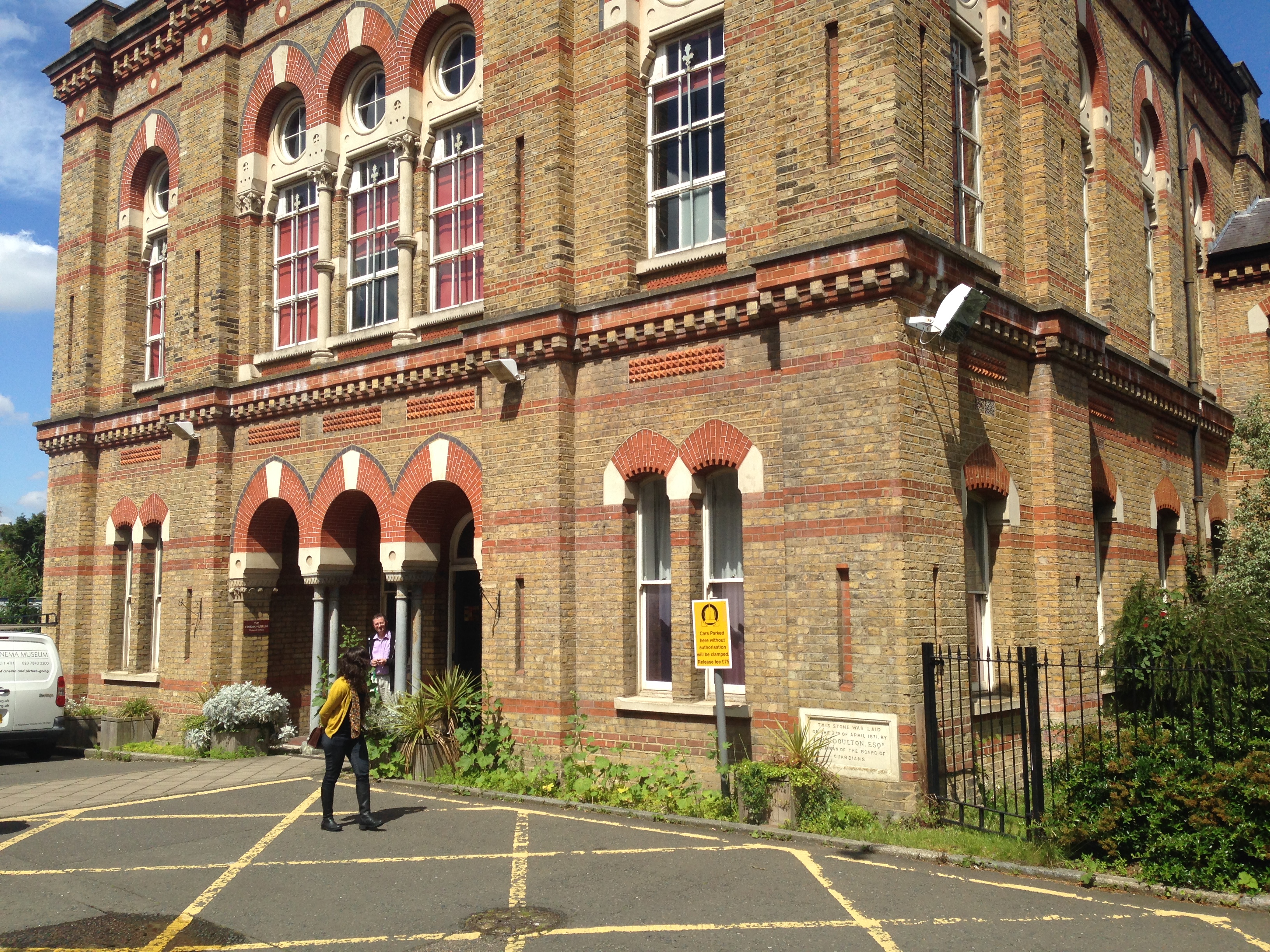
The Cinema Museum is housed in an old workhouse in Elephant and Castle.
Charlie Chaplin and his mother actually lived at the workhouse for some time, so it’s the perfect building to house this cinematic collection.
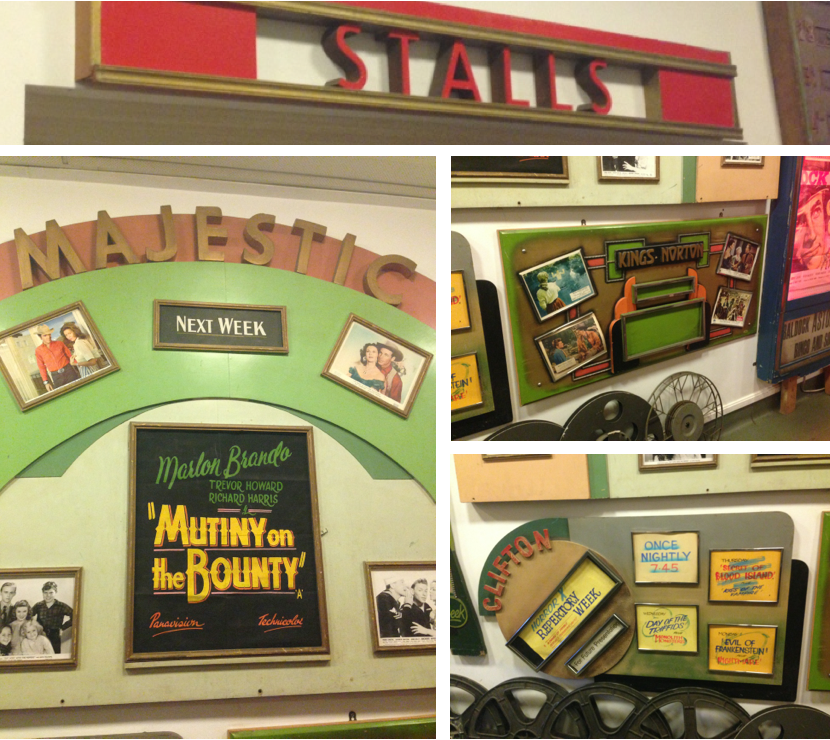
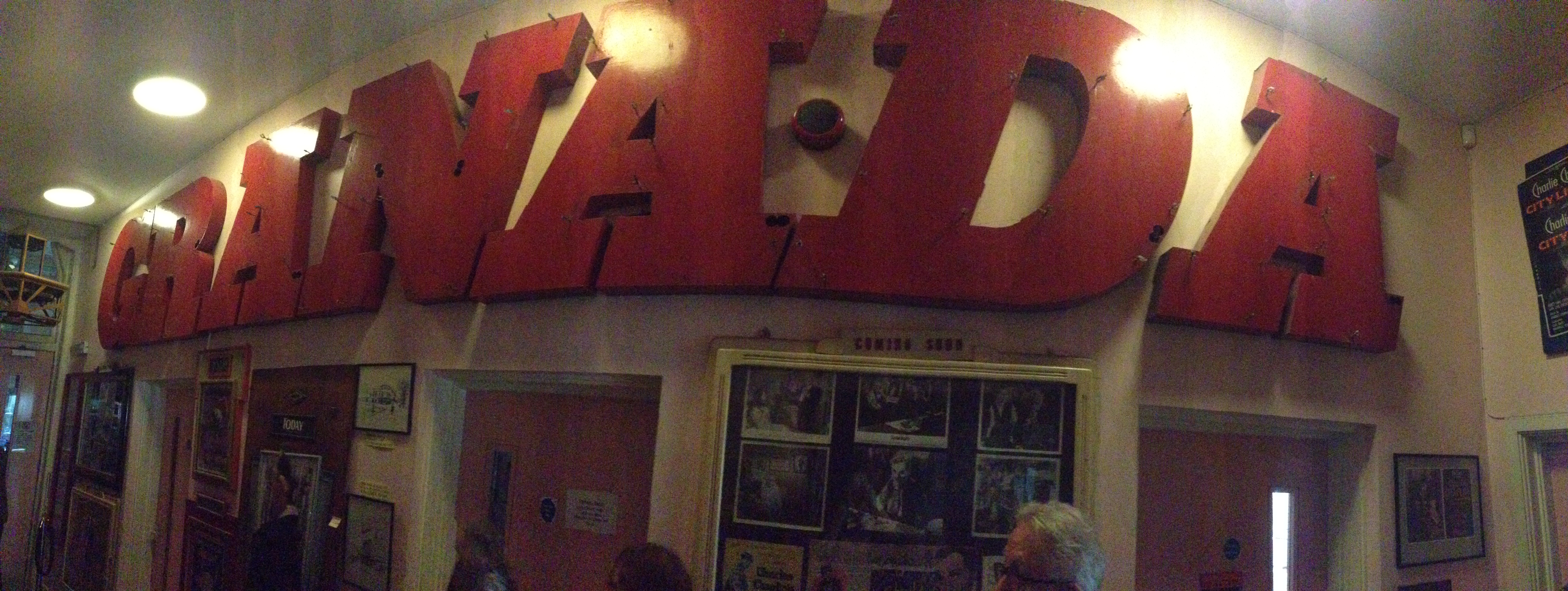
The first room you enter proudly displays old cinema signage.
It’s dripping in elegant art deco, like the below:
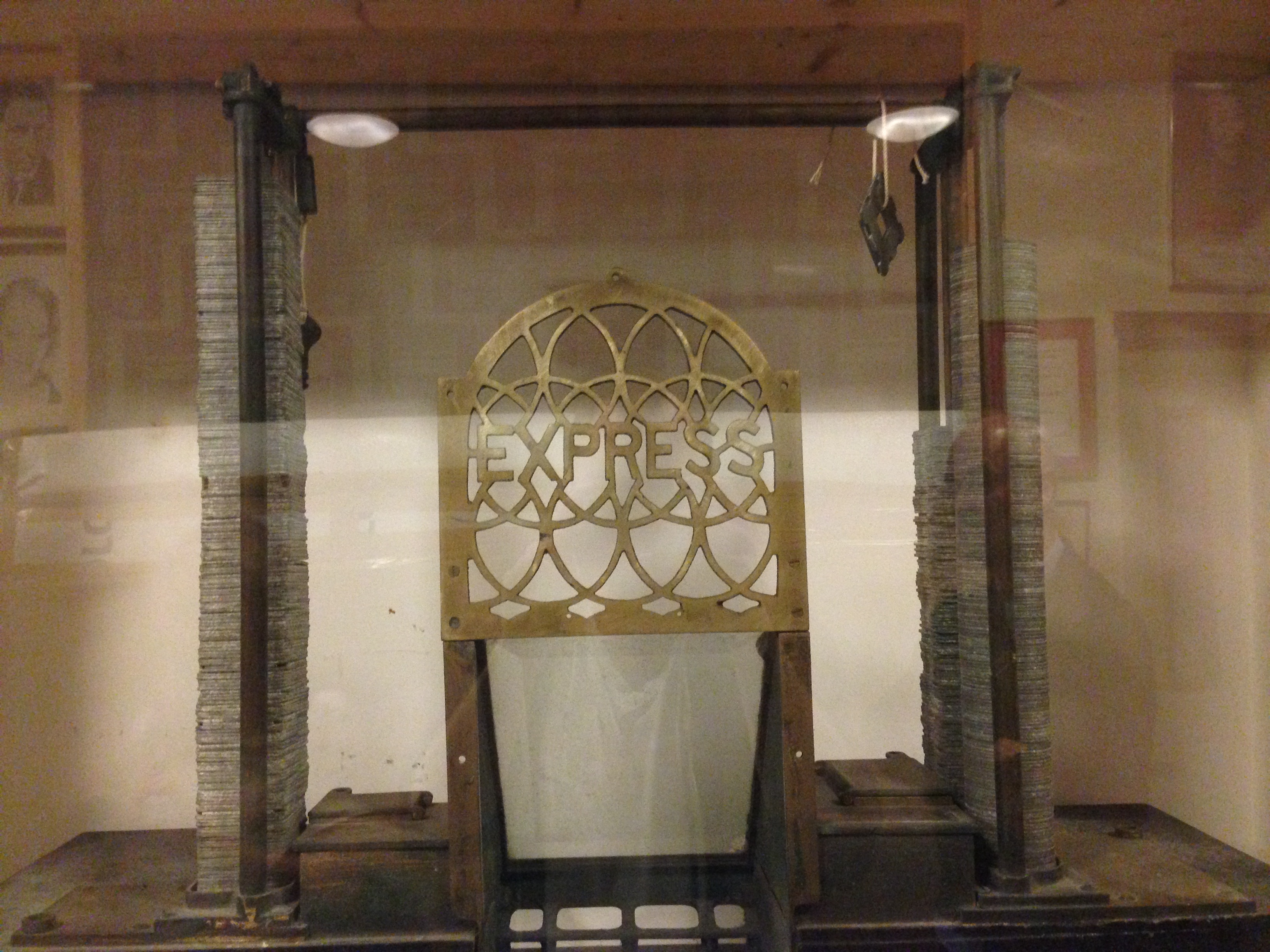
This ticket machine below operated with a beautifully designed system.
It issued metal tokens (rather than paper tickets) in three different shapes – circle, square and ridged.
When you entered the dark cinema, ushers simply had to feel the shape of your ticket to seat you in the correct area – a beautiful lo-fi solution to a lighting problem.
The museum houses lots of old usher paraphernalia – torches, badges etc.
The red container on the left originally carried floral room deodorant – used to mask the smells of smoke and unwashed overcoats.
It was pretty upsetting to see the demise of the smart usher uniform. The two shots below highlight the difference pretty well..
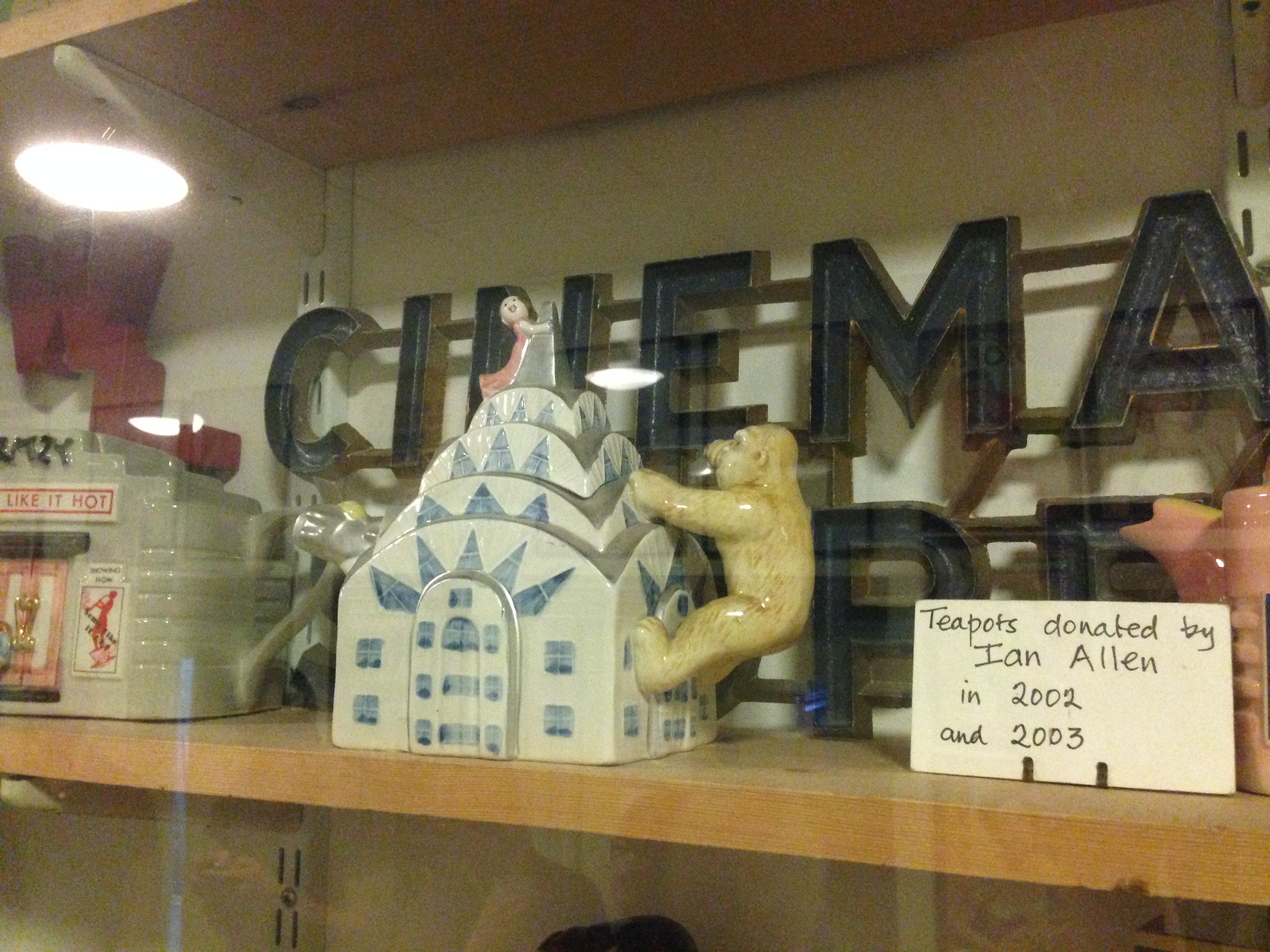
I love the King Kong teapot below. Very cool.
We saw plenty of film advertising too. The letterpress ‘Regal’ piece on the left is especially nice.
(Note the ‘most fantastic science shocker ever filmed’ on the right too…)
We heard about the introduction of Vitophone by Warner Bros – the first widely-accepted system to play sound with film. Films with sound became known as talkies and were hugely popular.
Vitophone involved sounds being recorded onto separate discs, rather than onto the film itself.
This brought with it a number of issues – as the discs got old, they would slow the needle and the sound would often shift out of sync with the images. But perhaps worse was the fact that sometimes films were dispatched to cinemas with the wrong accompanying disc. On several occasions, a romantic film played out with a horror soundtrack etc… With film cinema nowadays, the sound is printed down the side of the film itself – it can never go out of sync, it can never get mixed up.
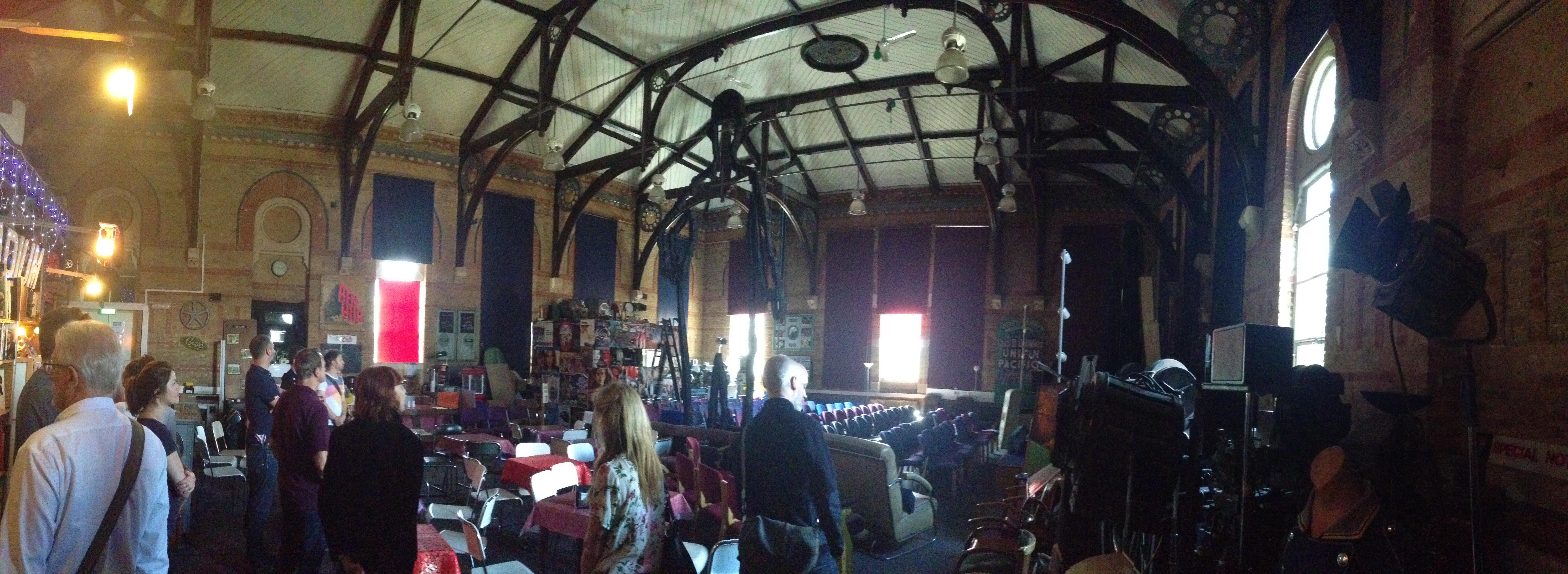
After walking through a Chaplin themed corridor, with a massive Granada sign adorning the upper walls, we reached the museum’s main auditorium.
It’s a beautiful space – would be great to hear a talk there one day.
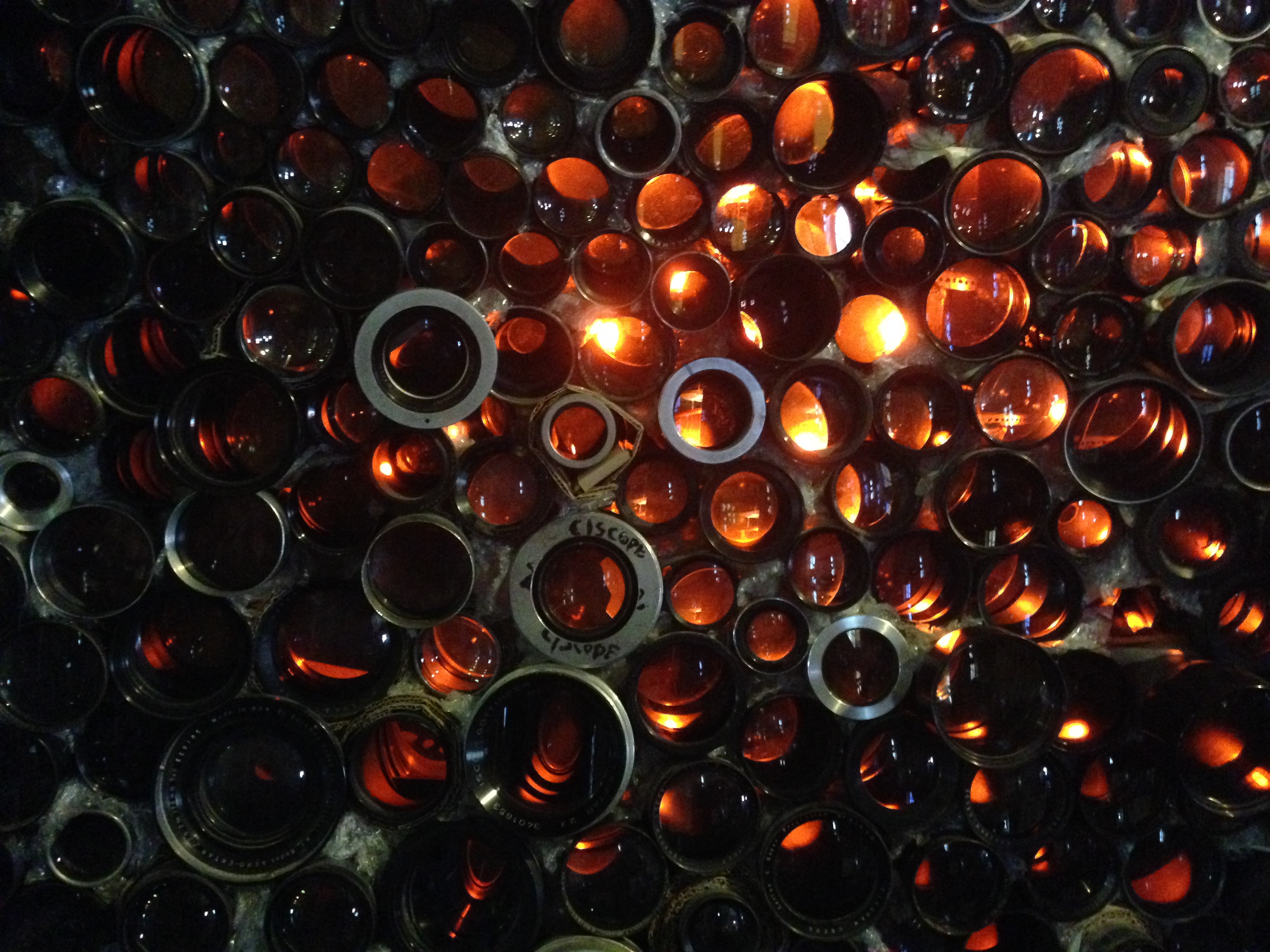
I loved this art piece – projection lenses all glued together to make a sculpture.
And with that, the 24 niche museums challenge is over. A full run-down of the best and the worst will follow shortly.
FIVE FACTS
#1. We all know that the ‘U’ rating stands for Universal. Some might remember that the old ‘A’ rating stood for Adult. But most people forget there was a third rating, ‘H’, for Horrific, which included horror, violence and sex.
#2. Charlie Chaplin’s mother never really believed quite how famous her son was – even after he whisked her out of the workhouse to live in his LA mansion.
#3. Around the dawn of cinema, you would have to train for 5 years before you became a projectionist. With the introduction of digital cinema, that process now only takes 3 weeks.
#4. Cinemas used to operate under ‘continuous performance’ – where two films, shorts and trailers ran in a continuous loop for the entire day. People would simply sit down and watch the screen until it circled back to the point when they joined.
#5. The Odeon chain has got rid of almost all of its film projectors, and now has a mostly digital inventory. The only cinema that still holds film capability is its Leicester Square cinema.
Just getting to this museum was an experience. Sign in at the college reception, turn right through a back door, take two flights of stairs downstairs then past the library. It’s just been through a complete refit, but whilst they’ve managed to let in more light and give it a lick of paint – it still reminded me a bit of my old school classrooms.
The college was created after the closure of the 1851 Great Exhibition. The Prince consort, Albert, prepared a memorandum outlinining that all profits from the exhibition be used to create an estate that would house institutions devoted to the ‘furtherance of the industrial pursuits of all nations.’
The area he proposed now houses three of the UK’s major museums, and the Academy of Music.
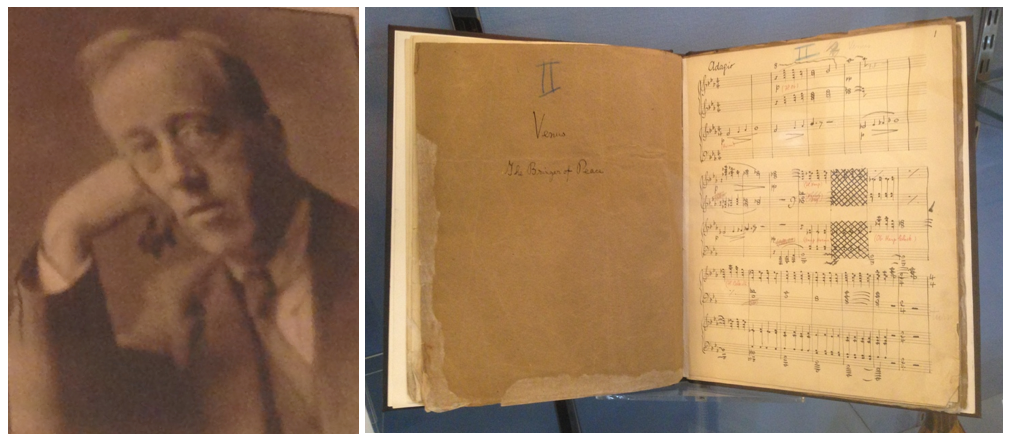
Holst was a student at the college in the late 19th century, and an autograph copy of Venus from his suite The Planets was prominently on display.
There were some interesting instruments on display, that I’d never seen before.
Like the Balalaika (a Russian folk instrument, characterised by its long neck and triangular shaped body), the Cittern (allegedly owned by Titian in 1580) and the Laba (a telescoping trumpet, of Chinese origin.)
Or how about the Ud (plucked string instrument from Arabian origin), Nyastaranga (an Indian throat trumpet that amplified the human voice) or Porchettes (essentially miniature violins)?
The Clavicytherium in the image below is widely considered to be the earliest surviving stringed keyboard instrument in the world. It’s not signed or dated, but a fragment of a legal document used to line one of the internal joints has been dated between 1470-80.
They also had on display what is considered to be the earliest surviving five-course guitar.
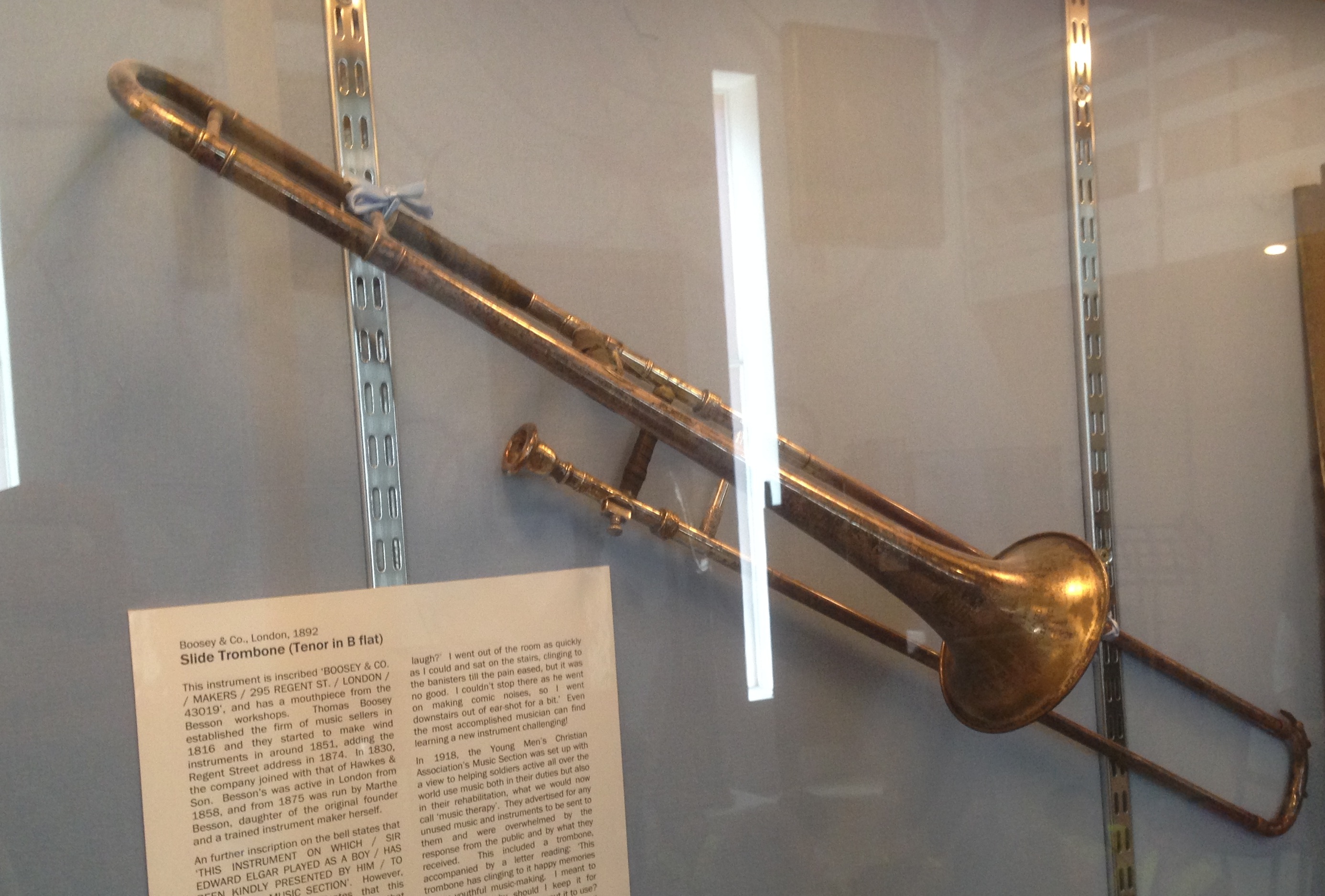
There was a slide trombone in one of the cases, with the inscription ‘This instrument, on which Sir Edward Elgar played as a boy, has been kindly presented by him to the YMCA music section.’ Considering the instrument was made in 1892, and Elgar was born in 1957 – he was far from a boy when he played this trombone…
And there were harpsichords a plenty.
Overall – nice museum, but afraid I didn’t get too much out of it. If I was studying music at the college, I’m sure it would be fantastic. As I’m not, I didn’t get all that much out of it.
FIVE FACTS
#1. Pochettes were used by dancing masters, who needed to accompany their students but didn’t want to share their fee with a separate musician.
#2. The Wetheringsett Organ Soundboard formed the soundboard of a 16th century English organ. It survived in the form of a dairy door and was discovered in 1977.
#3. Barak Norman was one of the last English viol-makers. He worked near St Paul’s cathedral at the ‘Bass Viol’, next door to the ‘Harp’. Say what you see.
#4. One of the Steinways & Sons pianos on display, built in 1899, was sold for 160 guineas – about £168…
#5. John Harris was an active trumpet maker in London between 1608 and 1731. He was appointed Queen’s Trumpeter in 1708.
I think this is probably one of my favourite museums of the year.
Our tour guide, Roy, was really passionate, interesting and a regular musicbox-tinkerer – the perfect shepherd for visitors around the museum.
The museum was started by a man called Frank Holland, a local eccentric that believed self-playing musical instruments should be preserved. The museum is full to the brim with mechanical music makers and their fantastic sounds.
It’s a much bigger building than I was expecting. Some of the more niche museums have turned out to be cupboard sized, but this one is massive – it has a concert hall on the top floor and three galleries on the ground.
One of the first music boxes we saw was a full scale Orchestra model. It was built by two watch makers, so perhaps it’s no surprise that it plays for exactly 60 seconds.
The orchestra model was a fantastically complicated piece of machinery. There were also simpler barrel machines to see in the museum, like the one in the video below.
Next up we saw a polyphon from 1898 – created by Regina Company.
The polyphon played from a disc, rather than a music box barrel.
As the disc rotates, it snags the star wheels, which plucks the tooth. The sound then resonates on the bed plate – amplifying the beautiful music.
This organ below is affectionately referred to by the museum volunteers as ‘the lettuce organ’. The Vicar of Grantham popped into a shop to buy a lettuce for tea, and left with a huge organ that he’d spotted hidden at the back of the store. He later donated the organ to the museum. The organ has three huge barrels – two hymn barrels and one popular music barrel.
Roy showed us a beautiful old gramophone next, stocked with old HMV records. An artist painted the image of the HMV dog (Nipper) after seeing the dog’s reaction to a recording of his masters voice at the opening of the music shop on Oxford Street in 1915. He tried to sell the image to Thomas Edison’s company, for use with his Phonograph. After Thomas Edison’s company rebuffed him, he repainted the image to contain a gramophone and sold it to HMV – the owners of the store he’d first seen the dog at.
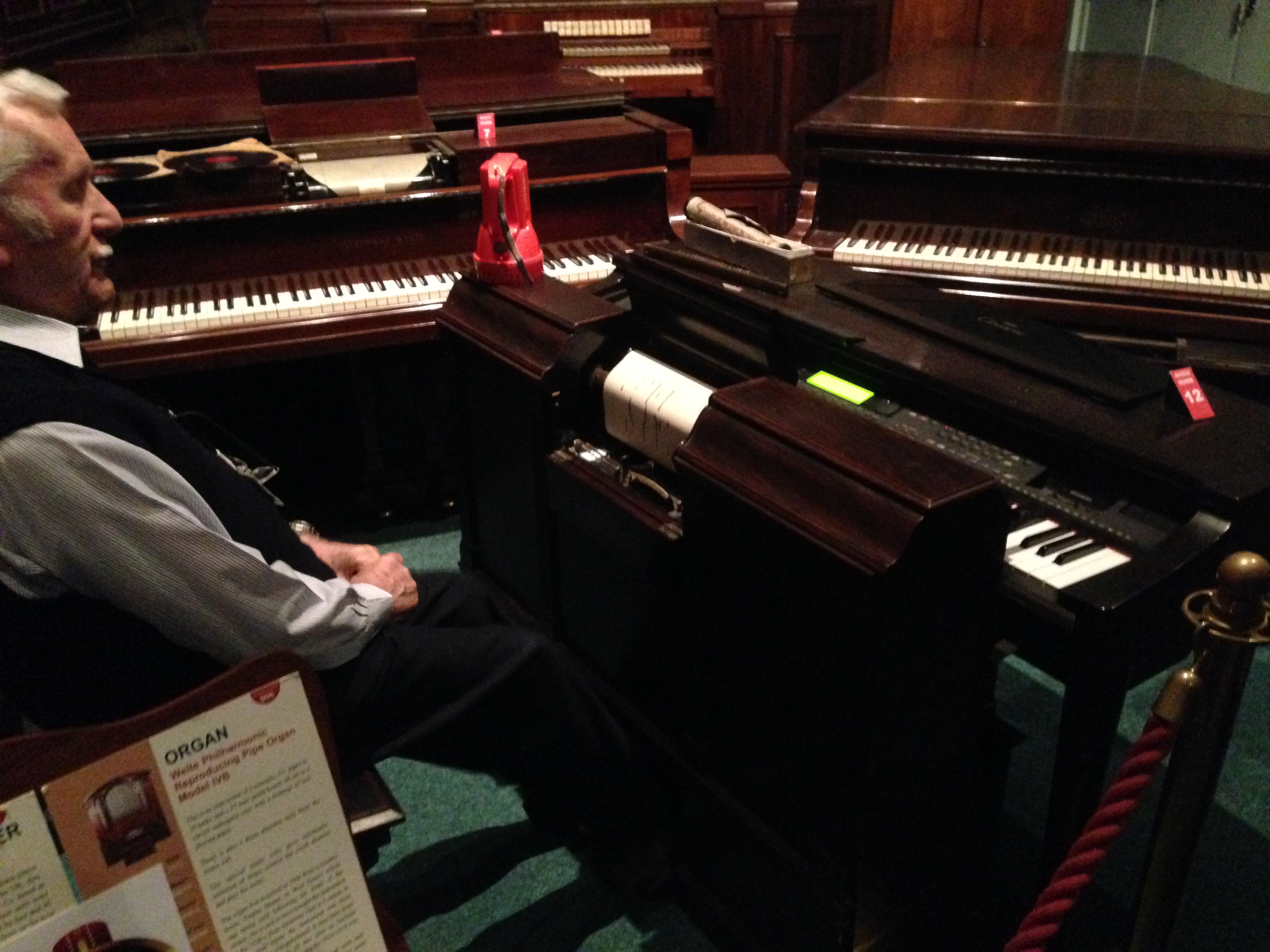
I was amazed to see a pianola up close – a gadget that was produced by piano manufacturers in reaction to dwindling numbers of pianists in the UK. Most households still had pianos, but no skill to play them, and the pianola let the public play any song they wanted for only 9p a roll. This particular pianola was created in Hayes – who’d’ve thought something that beautiful could come from there!
A similar machine, the player piano housed the mechanisms within the piano’s body – allowing you to trick your friends into thinking you were a piano whizz.
Roy can be seen singing along in the video below – really great.
One of my favourite contraptions was the Violano Virtuoso – see in the video below.
Hailing from Chicago, it holds over 170 patents and was named one of the eight greatest inventions of the decade by the US Government.
Another favourite was the Chickering piano here.
This is a lovely video of Roy playing a barrel piano. The exhalation from the machine at the end is the kind of fantastic analogue feedback you simply don’t get with digital instruments.
Perhaps the most impressive musical machine at the museum was the Wurlitzer in the concert hall.
The Wurlitzer includes 876 pipes, with the largest pipe standing at over 16 feet high. But it’s not just pipes – there are sound effects, xylophones, bells and more!
The console can be lowered for when the cinema screen is in use, and sits at half mast when it is used in silent movies.
At one point Roy touched his chest, and winced in pain. He’d taken us on a two hour tour around the museum, and had forgotten that he had a cracked rib. Clearly his passion for mechanical music seemed to have masked the pain up until that point – amazing.
FIVE FACTS
#1. The A.Tomasso & Son company were an Italian family that moved to London and set up shop in Holborn, manufacturing barrel pianos. When family and friends decided to introduce icecream into the UK for the first time, the barrel pianos were taken out onto the street to attract custom – starting a tradition between icecream vendors and mechanical music that’s still alive today.
#2. An organ is referred to as a ‘Chamber Organ’ when it’s been manufactured for the home, rather than the church.
#3. The phrase ‘The penny dropped’ has its roots in mechanical music – when musical machines could be found in most public houses, charging a penny for each track.
#4. The Chickering piano company sponsored the pianist Rachmaninoff, who was used at sales conferences as part of a blind listening test – to prove just how accurate the machine was.
#5. There is only one noteur left in the UK – somebody trained to create the musical punch cards for barrel organs.
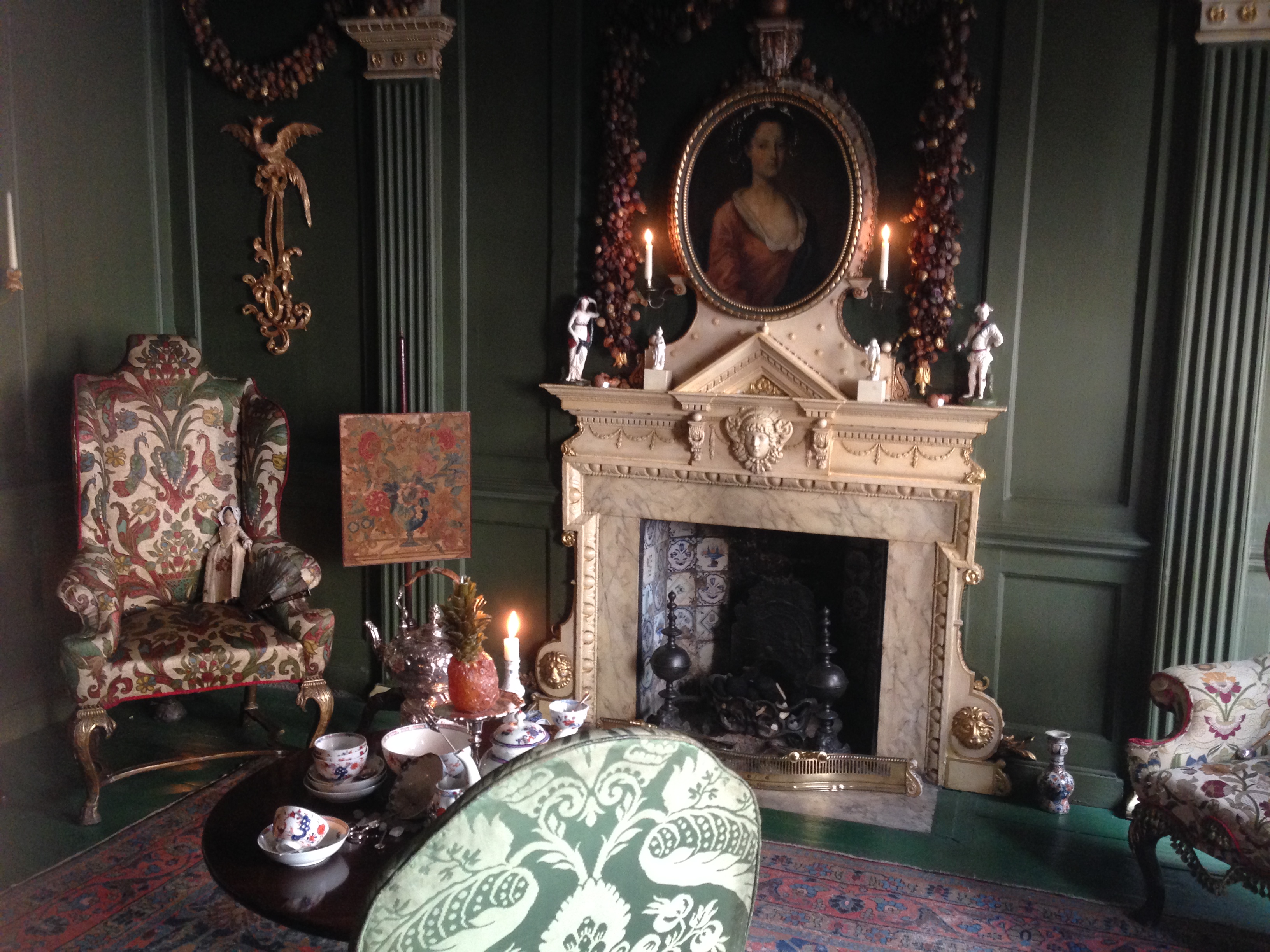
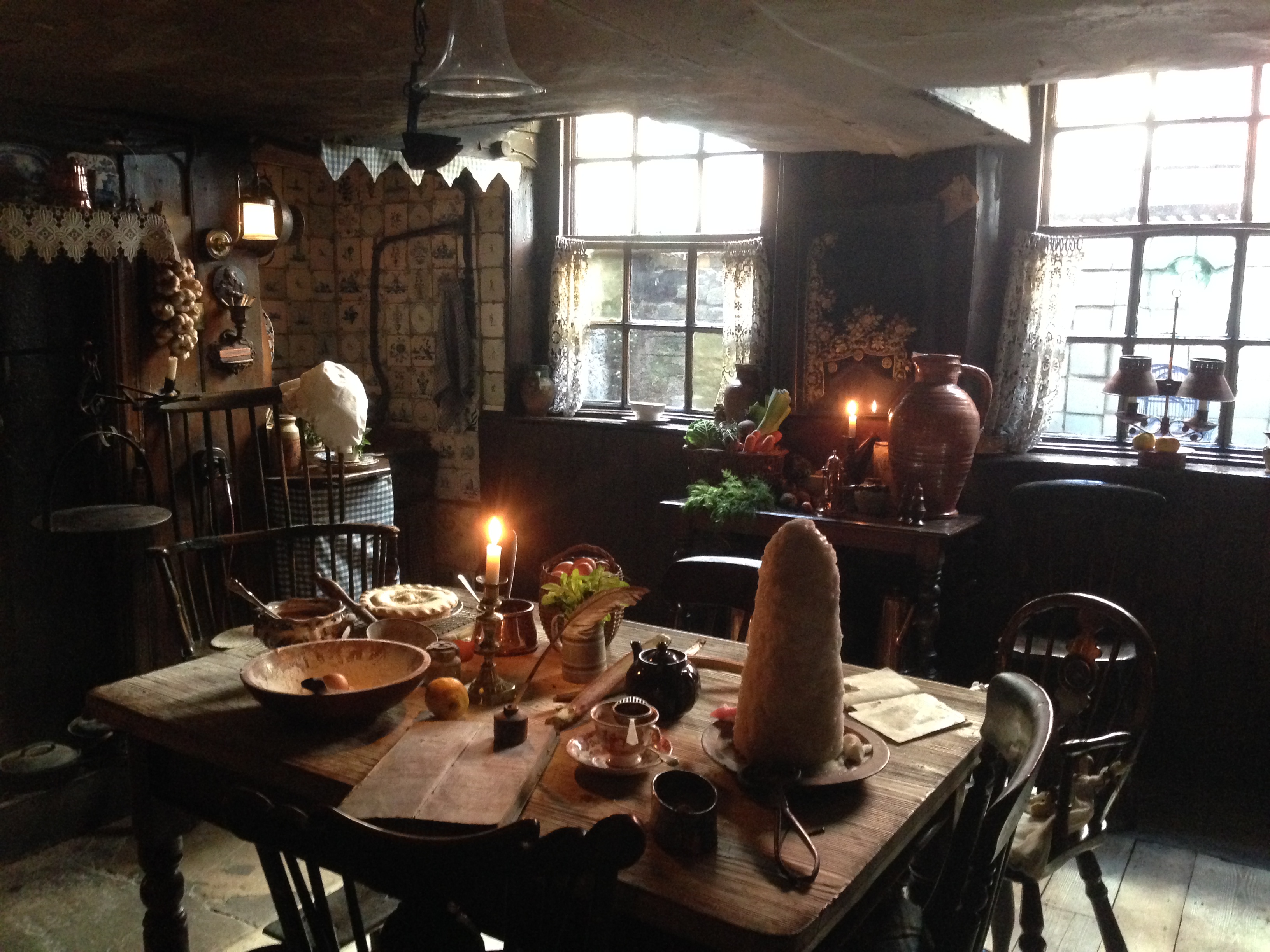
Dennis Severs House is a 18th/19th century time-capsule in the depths of Spitalfields. It was devised by a man called Dennis Severs, a Canadian eccentric that travelled to the UK in the 1960s, in search of what he called ‘English Light.’
The concept revolves around an imaginary family – The Jervises. Each room is assembled to give the feeling that the family has just vacated, leaving behind cooking smells, spilled wine and more.
The phrase ‘As you enter, they leave. As you leave, they enter’ is pasted throughout the house. (If I’m honest, it gets a bit repetitive.)
Walking around the house feels more like immersive Punchdrunk-style theatre than a museum tour. For that reason, it probably shouldn’t have been put on my Museum list. That said, the house has received so many positive reviews that I thought it was worth a pop. And it many ways, it was like the Geffrye museum without any barriers.
The house is peppered with slightly condescending signs, saying things like ‘Oh no, you’re still looking at things. Try and see the whole thing’ or ‘C’mon. You’re still not seeing it’ in an attempt to nudge you into believing it’s an experience not just a collection of old artefacts.
Which is great. I totally understand that if you experience a room as a whole, it will feel more like you’ve been transported back in time.
But whilst the majority of the displays felt fantastically realistic, in almost every room there was something to wrench you back to the present day. The best perhaps being a big jar of Tesco Finest mint jelly in the drawing room cabinet.
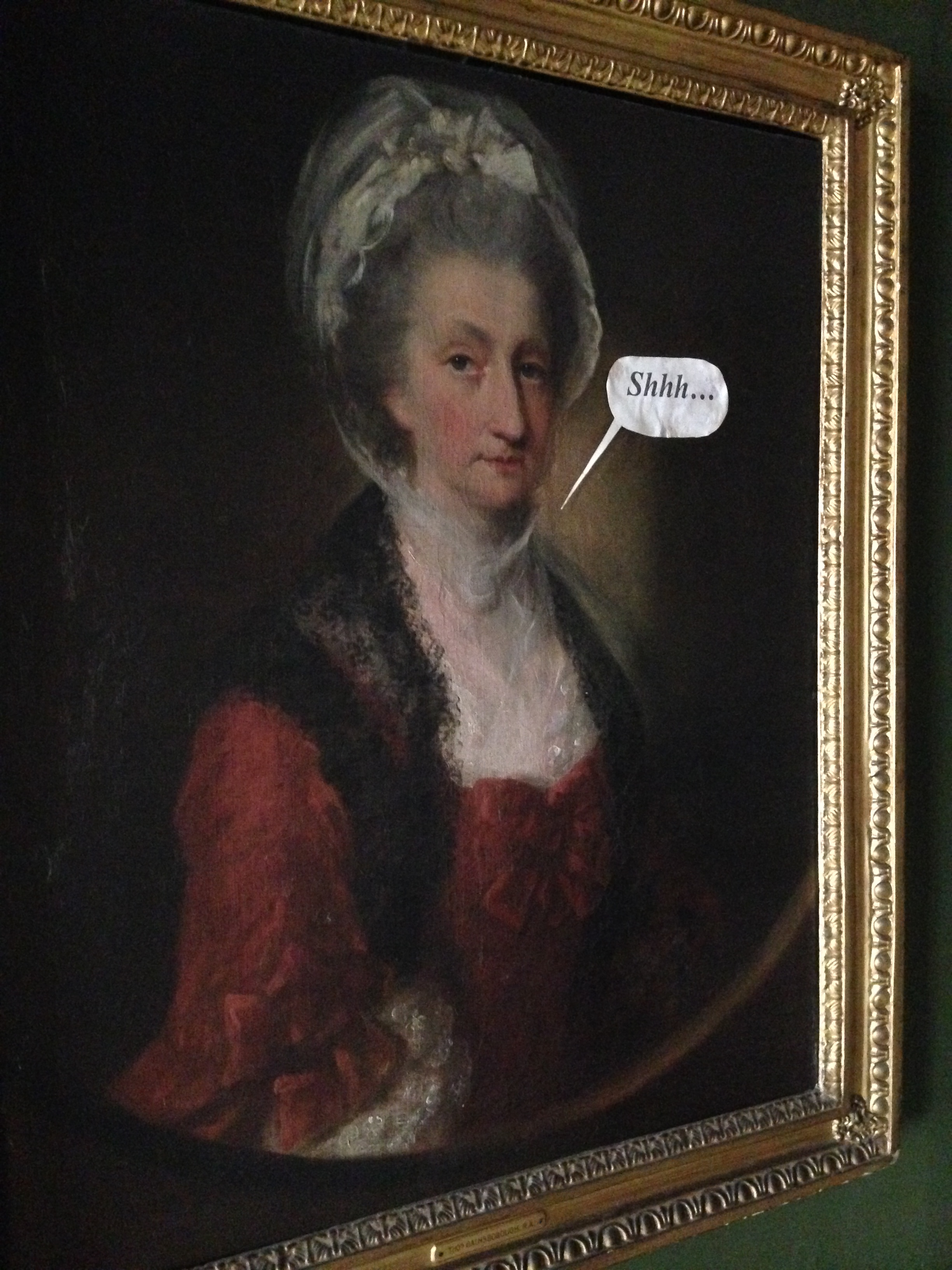
In an odd way, it’s a pity we didn’t see the place whilst Dennis was alive. I can’t imagine he’d have been happy with ‘Shh’ signs stuck on paintings, or modern brands and products sitting next to authentic old ones.
Dennis’ personal motto was ‘You either see it or you don’t.’
Unfortunately for Dennis, it wasn’t that I hadn’t seen it – in fact, I’d seen too much.
FIVE FACTS
Not one! It feels a bit cruel chastising the house for not having facts on display. It’s immersive history – I get that.
It’s just a little annoying it was so hard to get immersed.
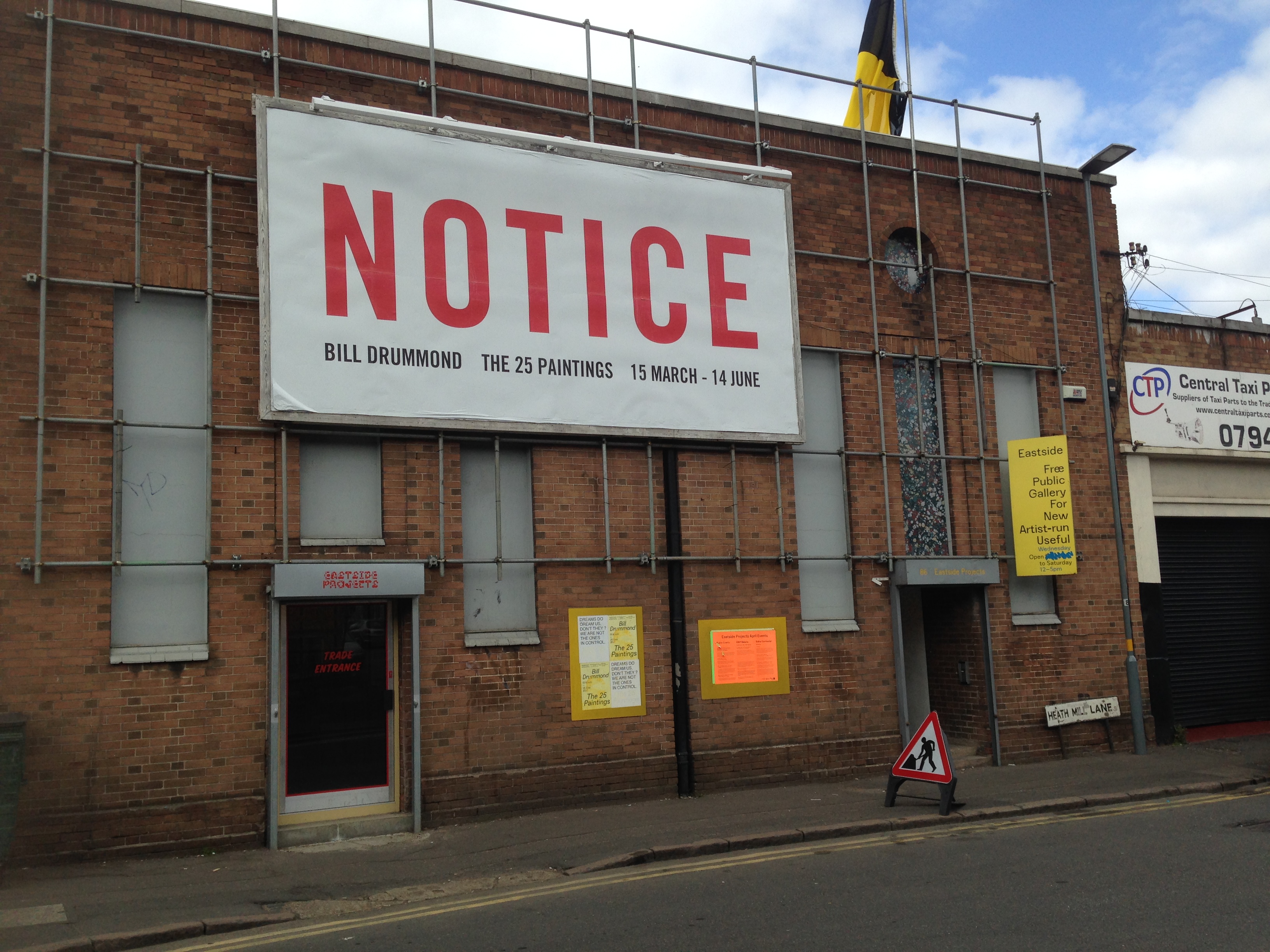
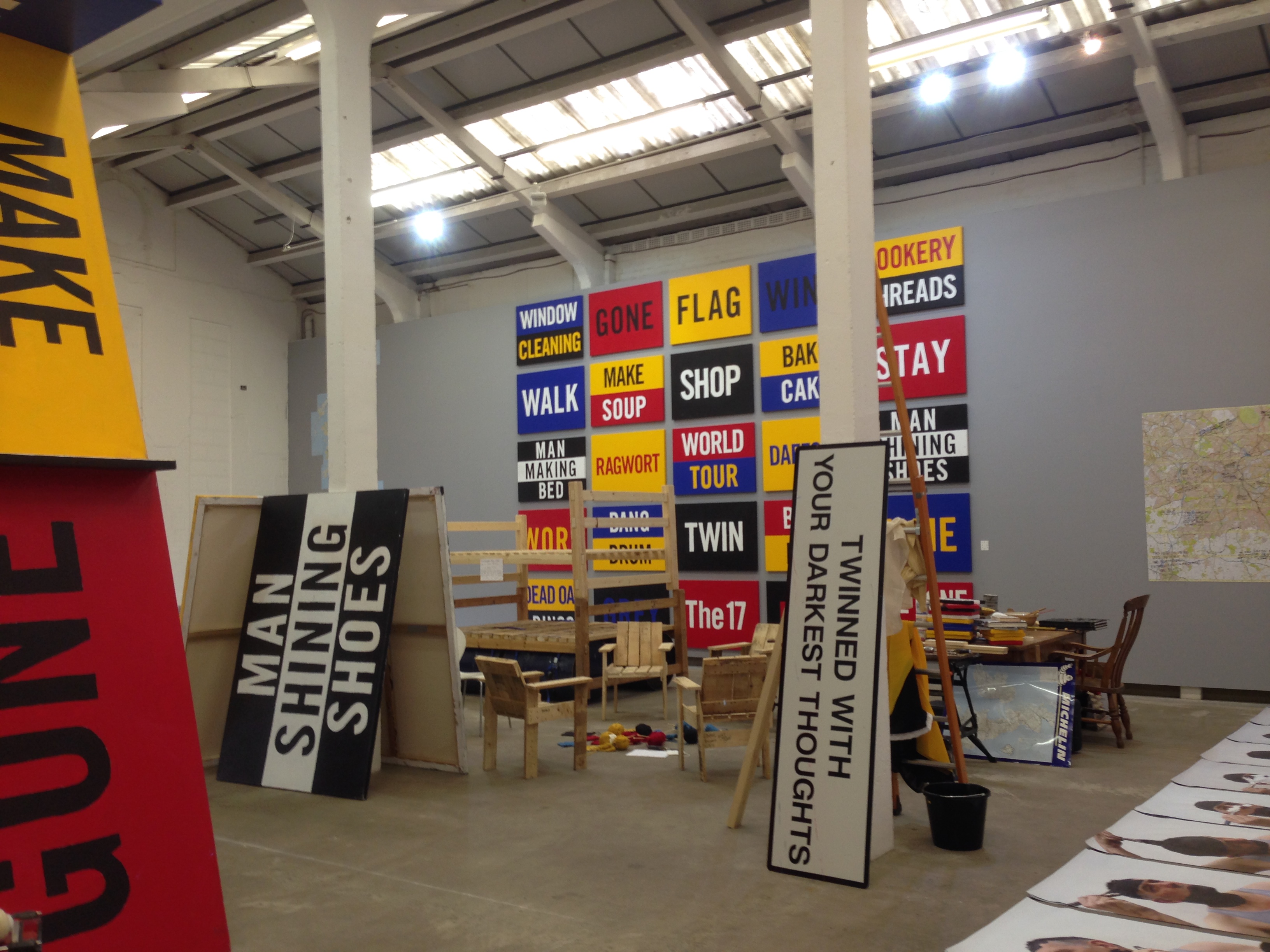
We were walking through Digbeth the other day, and I spotted a huge poster out the corner of my eye. Turned out it was advertising the first date of the ‘Bill Drummond World Tour’ – his 25 Paintings.
We popped inside – it was brilliant.
Drummond creates art through activities – what he calls ‘sculptures’.
Each of the 25 paintings created advertise or signify one of the activities.
Some of the activities include knitting…
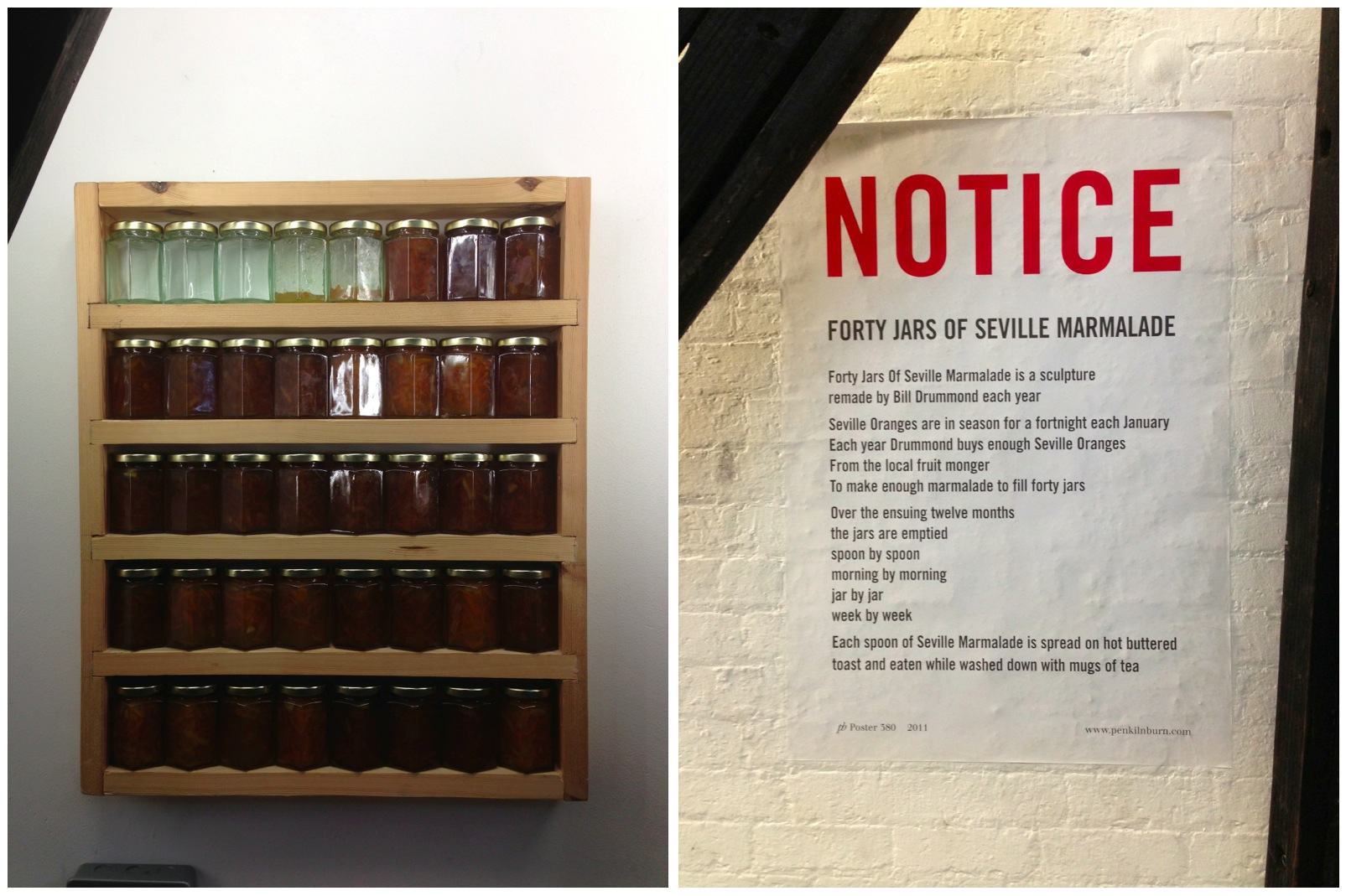
Marmalade…
and balancing.
They’re all beautifully random.
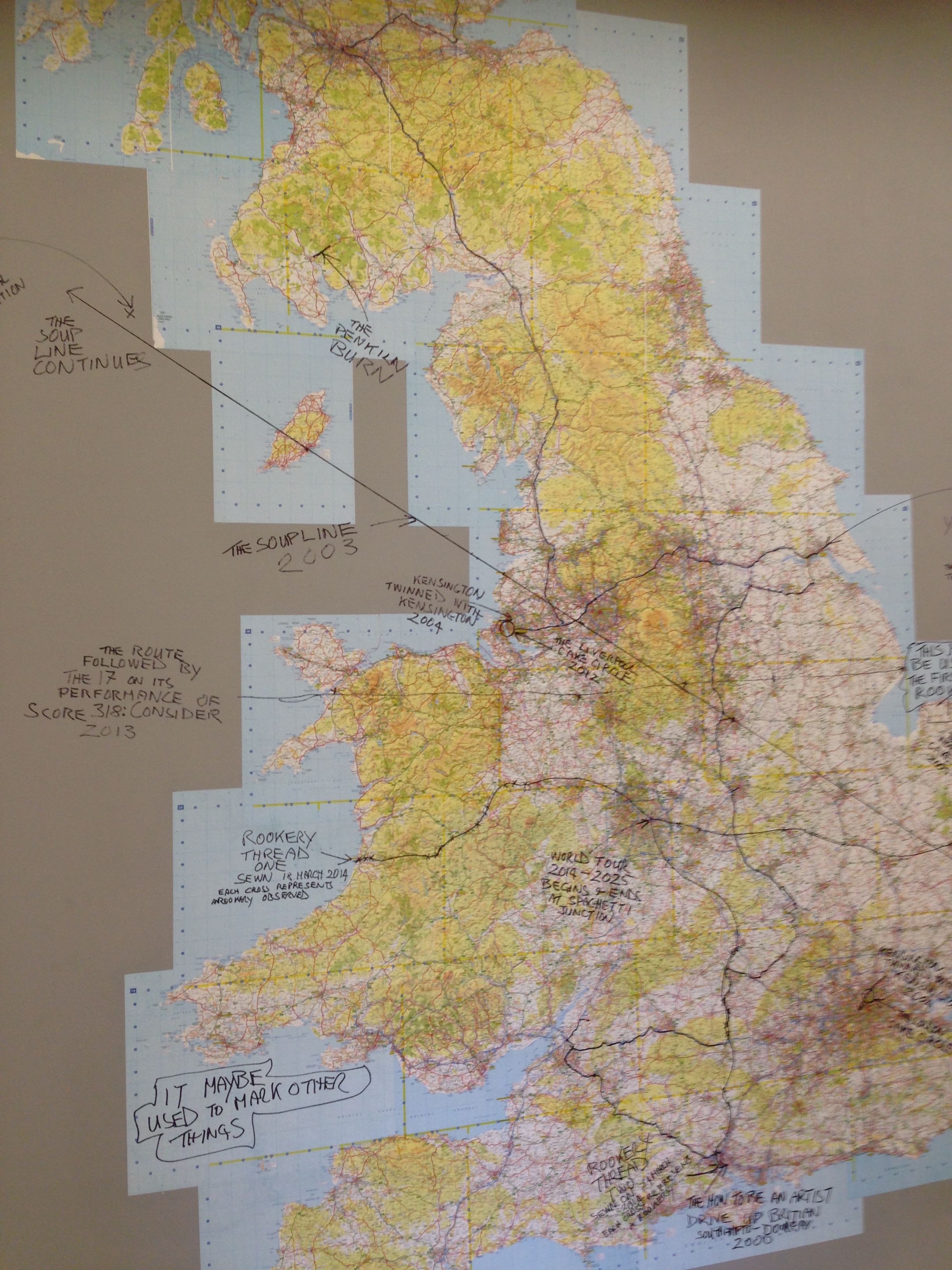
I particularly like the Soup Line – if your house sits on the Soup Line, Drummond will come and make a vat of soup for you.
Drummond has also been twinning towns – this one was hilarious:
The 25 paintings are changed are repainted everytime an activity finishes and a new one is started.
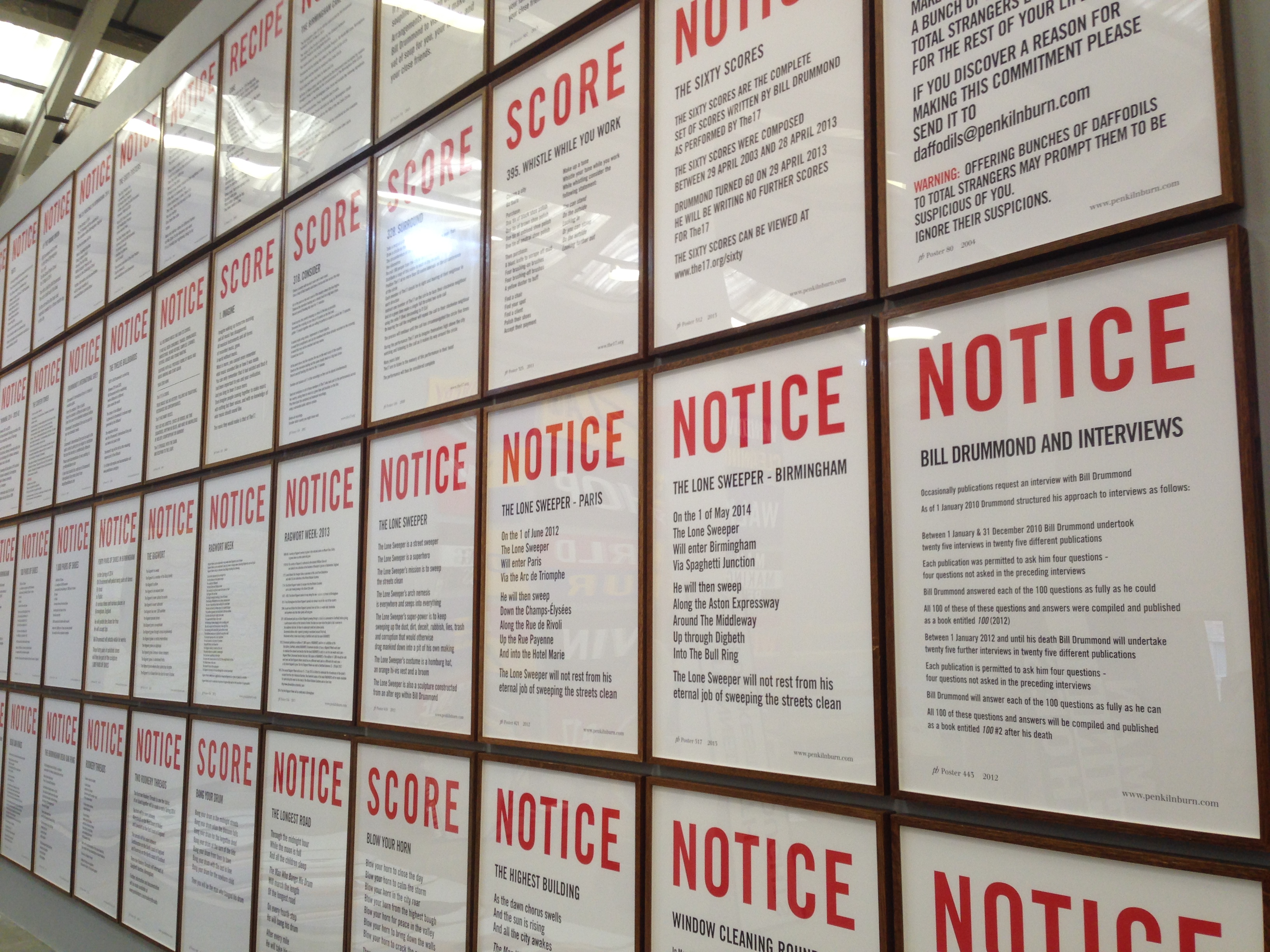
Each activity has a notice – there’s a huge wall of them on display – but Drummond has been through over 600 so far.
Whilst the exhibition may be small, it continually evolves from one week to the next – so you’ll see different things and over the next 11 years he’ll amass a huge amount of work.

















 Ant Harris